

Views: 450 Author: Lasting Titanium Publish Time: 2025-01-26 Origin: Site


Content Menu
● Understanding Titanium and Its Properties
>> The Importance of Forming Titanium Sheets
● Techniques for Forming Titanium Sheets
>> Cold Forming
>> Hot Forming
>> Hydroforming
>> Roll Forming
● Challenges in Forming Titanium Sheets
>> Springback
● Innovations in Titanium Sheet Forming
>> Advanced Manufacturing Techniques
● Applications of Formed Titanium Sheets
>> 1.What are the main advantages of using titanium sheets?
>> 2.What is the difference between cold forming and hot forming of titanium sheets?
>> 3.What challenges are associated with forming titanium sheets?
>> 4.How does superplastic forming work?
>> 5.What are some innovative techniques in titanium sheet forming?
Content Menu
● Understanding Titanium and Its Properties
>> The Importance of Forming Titanium Sheets
● Techniques for Forming Titanium Sheets
>> Cold Forming
>> Hot Forming
>> Hydroforming
>> Roll Forming
● Challenges in Forming Titanium Sheets
>> Springback
● Innovations in Titanium Sheet Forming
>> Advanced Manufacturing Techniques
● Applications of Formed Titanium Sheets
>> 1.What are the main advantages of using titanium sheets?
>> 2.What is the difference between cold forming and hot forming of titanium sheets?
>> 3.What challenges are associated with forming titanium sheets?
>> 4.How does superplastic forming work?
>> 5.What are some innovative techniques in titanium sheet forming?
Titanium, known for its exceptional strength-to-weight ratio and corrosion resistance, has become a material of choice in various industries, particularly aerospace, automotive, and medical. The process of forming titanium sheets is crucial for creating components that meet the demanding specifications of these applications. This article delves into the various techniques used in forming titanium sheets, the challenges faced, and the innovations that are shaping the future of titanium fabrication.
Titanium is a transition metal with a high melting point and low density, making it ideal for applications where strength and weight are critical. Its unique properties include excellent corrosion resistance, biocompatibility, and the ability to withstand extreme temperatures. These characteristics make titanium sheets suitable for a wide range of applications, from aircraft components to medical implants. The ability of titanium to resist oxidation and corrosion in harsh environments is particularly valuable in industries such as aerospace, where components are often exposed to extreme conditions. Additionally, titanium's biocompatibility allows it to be used in medical devices and implants, ensuring that it can safely interact with human tissue without causing adverse reactions.
Forming titanium sheets involves shaping the material into desired forms through various processes. This is essential for producing parts that fit specific design requirements. The forming process can significantly affect the mechanical properties of titanium, including its strength, ductility, and fatigue resistance. Therefore, understanding the different forming techniques is vital for manufacturers. The precision in forming titanium sheets not only impacts the performance of the final product but also influences the overall efficiency of the manufacturing process. As industries continue to demand more complex and lightweight designs, the importance of mastering titanium sheet forming techniques becomes increasingly critical.
There are several methods for forming titanium sheets, each with its advantages and challenges. The choice of technique often depends on the specific application and the desired properties of the final product.
Cold forming is a process where titanium sheets are shaped at room temperature. This method is often used for producing intricate shapes and components. However, cold forming can lead to issues such as cracking and galling due to titanium's high strength and low ductility at lower temperatures. To mitigate these challenges, manufacturers often use lubricants and specialized tooling. Cold forming is particularly advantageous for applications requiring high precision and tight tolerances, as it allows for minimal thermal distortion. Additionally, the surface finish achieved through cold forming is often superior, reducing the need for further machining.
Hot forming involves heating the titanium sheets to elevated temperatures before shaping. This process improves the material's ductility, allowing for more complex shapes to be formed without the risk of cracking. Hot forming is particularly useful for producing large components, such as aircraft wings and fuselage sections. The heating process also helps to relieve internal stresses in the material, enhancing its overall performance. By increasing the temperature, manufacturers can achieve a more uniform microstructure in the titanium, which contributes to improved mechanical properties. This technique is essential for applications where the integrity of the component is critical, such as in aerospace and defense.
Superplastic forming (SPF) is a specialized technique that takes advantage of titanium's ability to deform significantly at elevated temperatures. In this process, titanium sheets are heated to a temperature where they exhibit superplastic behavior, allowing them to be stretched into complex shapes without failure. SPF is particularly beneficial for producing lightweight components with intricate geometries, making it a popular choice in the aerospace industry. The ability to create complex shapes without the need for extensive machining not only reduces production time but also minimizes material waste. This technique is especially valuable in applications where weight savings are paramount, such as in aircraft and spacecraft design.
Hydroforming is a method that uses high-pressure fluid to shape titanium sheets. This technique allows for the creation of complex shapes with minimal material waste. Hydroforming is particularly effective for producing hollow components, such as tubes and ducts, which are commonly used in automotive and aerospace applications. The process also results in a smooth surface finish, reducing the need for additional machining. Hydroforming's ability to create lightweight structures with high strength-to-weight ratios makes it an attractive option for manufacturers looking to optimize their designs. Furthermore, the flexibility of hydroforming allows for rapid prototyping and design iterations, enabling faster product development cycles.
Roll forming is a continuous bending operation in which a long strip of titanium sheet is passed through a series of rollers to achieve the desired cross-section. This method is efficient for producing long lengths of uniform shapes, such as channels and angles. Roll forming is often used in the construction and automotive industries, where consistent profiles are required. The process is highly automated, allowing for high production rates and reduced labor costs. Additionally, roll forming can accommodate a variety of titanium alloys, making it a versatile option for manufacturers. The ability to produce complex shapes with minimal waste further enhances the cost-effectiveness of this technique.
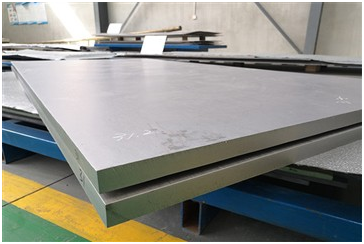
While forming titanium sheets offers numerous advantages, it also presents several challenges that manufacturers must address.
One of the primary challenges in forming titanium is springback, which occurs when the material tries to return to its original shape after being deformed. This phenomenon can lead to inaccuracies in the final dimensions of the component. To counteract springback, manufacturers often employ techniques such as overbending or using specialized dies that account for the expected springback. Understanding the material properties and behavior during the forming process is crucial for minimizing springback effects. Advanced simulation tools can also help predict springback and optimize the forming process, leading to improved accuracy and reduced rework.
The high strength and hardness of titanium require specialized tooling and equipment for forming processes. Standard tools may wear out quickly when used with titanium, leading to increased production costs and downtime. Manufacturers must invest in high-quality tooling materials and maintain their equipment to ensure efficient production. The selection of appropriate cutting tools, dies, and fixtures is essential for achieving the desired tolerances and surface finishes. Additionally, regular maintenance and monitoring of equipment can help prevent unexpected failures and prolong the lifespan of tooling.
Titanium is more expensive than many other metals, which can impact the overall cost of production. Manufacturers must carefully consider the cost-effectiveness of forming processes and explore ways to optimize production to reduce waste and improve efficiency. The initial investment in specialized equipment and tooling can be significant, but the long-term benefits of using titanium, such as reduced weight and improved performance, often justify the costs. Manufacturers are increasingly looking for ways to streamline their processes, such as implementing lean manufacturing principles and utilizing advanced technologies to enhance productivity.
The field of titanium sheet forming is continually evolving, with new technologies and methods being developed to enhance efficiency and reduce costs.
Additive manufacturing, or 3D printing, is gaining traction in the production of titanium components. This technology allows for the creation of complex geometries that would be difficult or impossible to achieve through traditional forming methods. By combining additive manufacturing with traditional forming techniques, manufacturers can produce lightweight, high-strength components with reduced material waste. The ability to rapidly prototype and iterate designs using additive manufacturing is revolutionizing the way titanium components are developed, enabling faster time-to-market and increased design flexibility.
Hybrid forming processes that combine different techniques are becoming increasingly popular. For example, integrating hydroforming with traditional stamping can enhance the capabilities of manufacturers, allowing them to produce more complex shapes while maintaining high production rates. These hybrid methods can also improve the mechanical properties of the final product. By leveraging the strengths of multiple forming techniques, manufacturers can optimize their processes and achieve superior results. The development of hybrid processes is a testament to the industry's commitment to innovation and continuous improvement.
The use of automation and robotics in titanium sheet forming is on the rise. Automated systems can improve precision and consistency in the forming process, reducing the likelihood of defects. Robotics can also enhance safety by taking over dangerous tasks, allowing human operators to focus on more complex aspects of production. The integration of automation not only increases efficiency but also enables manufacturers to respond more quickly to changing market demands. As technology continues to advance, the role of automation in titanium forming is expected to grow, leading to more streamlined and efficient production processes.
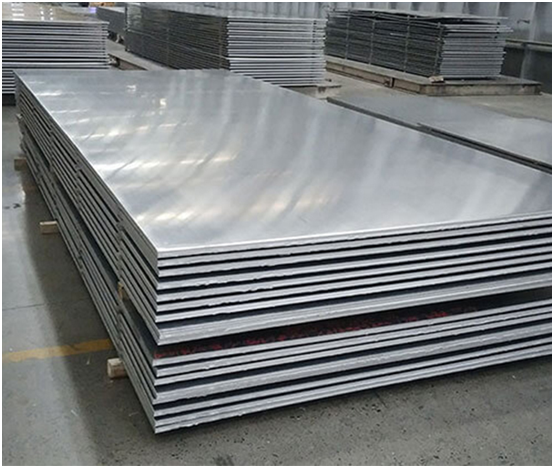
The versatility of formed titanium sheets makes them suitable for a wide range of applications across various industries.
In the aerospace sector, formed titanium sheets are used to manufacture critical components such as airframes, engine parts, and landing gear. The lightweight nature of titanium helps improve fuel efficiency and overall performance in aircraft. Additionally, the ability of titanium to withstand extreme temperatures and corrosive environments makes it an ideal choice for aerospace applications. As the demand for more fuel-efficient and environmentally friendly aircraft increases, the use of titanium in aerospace design is expected to expand further.
The automotive industry is increasingly adopting titanium for components such as exhaust systems, suspension parts, and structural elements. The use of titanium helps reduce vehicle weight, leading to improved fuel efficiency and performance. As manufacturers strive to meet stricter emissions regulations and consumer demands for lighter vehicles, titanium's role in automotive design is becoming more prominent. Furthermore, the durability and corrosion resistance of titanium contribute to the longevity of automotive components, reducing maintenance costs over time.
Titanium's biocompatibility makes it an ideal material for medical implants and devices. Formed titanium sheets are used in applications such as dental implants, orthopedic devices, and surgical instruments, where strength and corrosion resistance are paramount. The ability of titanium to integrate with bone tissue enhances the effectiveness of implants, leading to better patient outcomes. As the medical field continues to advance, the demand for innovative titanium solutions is expected to grow, driving further research and development in this area.
In marine environments, titanium's resistance to corrosion makes it suitable for components exposed to seawater. Formed titanium sheets are used in applications such as shipbuilding, offshore structures, and underwater equipment. The longevity and reliability of titanium in harsh marine conditions make it a preferred choice for manufacturers looking to enhance the performance and durability of their products. As the demand for sustainable and efficient marine solutions increases, the use of titanium in this sector is likely to expand.
The forming of titanium sheets is a critical process that enables the production of high-performance components across various industries. With advancements in forming techniques and technologies, manufacturers can overcome challenges and harness the unique properties of titanium to create innovative solutions. As the demand for lightweight, strong, and corrosion-resistant materials continues to grow, the importance of effective titanium sheet forming will only increase. The ongoing research and development in this field promise to unlock new possibilities for titanium applications, further solidifying its position as a material of choice in modern manufacturing.
Titanium sheets offer a high strength-to-weight ratio, excellent corrosion resistance, and biocompatibility, making them ideal for aerospace, automotive, and medical applications.
Cold forming is done at room temperature and is suitable for intricate shapes, while hot forming involves heating the material to improve ductility, allowing for more complex shapes without cracking.
Challenges include springback, the need for specialized tooling, and higher material costs compared to other metals.
Superplastic forming involves heating titanium sheets to a temperature where they can be stretched significantly without failure, allowing for the creation of complex shapes.
Innovations include additive manufacturing, hybrid forming processes, and the use of automation and robotics to enhance efficiency and precision in production.


