

Views: 368 Author: Lasting Titanium Publish Time: 2026-01-20 Origin: Site


Content Menu
● Understanding Titanium Square Bars
>> What Are Titanium Square Bars?
>> Key Properties of Titanium Square Bars
● Applications of Titanium Square Bars
● Advantages of Titanium Square Bars
>> High Strength-to-Weight Ratio
>> Exceptional Corrosion Resistance
● Manufacturing Process of Titanium Square Bars
● Challenges in Working with Titanium Square Bars
>> Cost
● Future Trends in Titanium Square Bars
>> 1. What are titanium square bars used for?
>> 2. How do titanium square bars compare to other metals?
>> 3. Are titanium square bars biocompatible?
>> 4. What grades of titanium are available for square bars?
>> 5. What is the manufacturing process for titanium square bars?
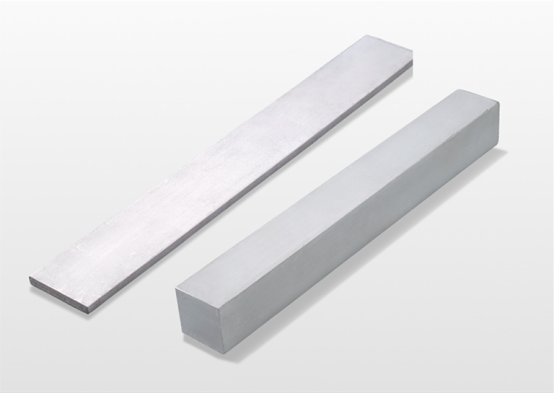
Titanium square bars are solid metal bars with a square cross-section, crafted from titanium or its alloys. They are renowned for their exceptional properties, making them a preferred choice in various industries, including aerospace, medical, and automotive. This article delves into the unique characteristics of titanium square bars, their applications, and the advantages they offer over other materials.
Titanium square bars are manufactured from high-quality titanium alloys, known for their outstanding strength-to-weight ratio, corrosion resistance, and biocompatibility. These bars are available in various grades, each offering specific characteristics that make them suitable for different applications. The square shape of these bars allows for easy handling and installation, making them a versatile choice for engineers and manufacturers alike.
The production of titanium square bars involves advanced metallurgical processes that ensure the material retains its desirable properties. The bars are typically produced through methods such as extrusion or rolling, which help maintain the integrity of the titanium structure. This careful manufacturing process results in a product that is not only strong but also lightweight, making it ideal for applications where weight savings are critical.
1. Strength and Durability: Titanium square bars exhibit excellent tensile strength and durability, making them suitable for applications that demand high levels of mechanical performance. The inherent strength of titanium allows these bars to withstand significant loads without deforming, which is crucial in high-stress environments such as aerospace and military applications. This durability translates to longer service life and reduced maintenance costs, making titanium square bars a cost-effective choice in the long run.
2. Lightweight: Titanium is known for being lightweight, making square bars made from this metal a preferred choice in industries where weight reduction is crucial without compromising structural integrity. The low density of titanium allows for the design of lighter structures, which is particularly beneficial in aerospace applications where every gram counts. This lightweight nature also contributes to improved fuel efficiency in vehicles and aircraft, further enhancing the economic benefits of using titanium square bars.
3. Corrosion Resistance: Titanium square bars possess remarkable corrosion resistance, even in aggressive environments such as marine, chemical, and aerospace applications. This resistance is due to the formation of a protective oxide layer on the surface of titanium, which prevents further oxidation and degradation. As a result, titanium square bars can maintain their structural integrity and appearance over extended periods, even when exposed to harsh chemicals or seawater. This property makes them an ideal choice for applications in corrosive environments, reducing the need for frequent replacements.
4. Biocompatibility: Titanium is biocompatible, making it suitable for medical and dental applications such as implants and surgical instruments. The non-toxic nature of titanium ensures that it can be safely used within the human body without causing adverse reactions. This biocompatibility, combined with its corrosion resistance, makes titanium an ideal material for long-term implants, such as dental fixtures and orthopedic devices. The ability to integrate seamlessly with human tissue further enhances the appeal of titanium square bars in the medical field.
Titanium square bars are integral in a wide array of industries due to their unique properties. Here are some notable applications:
In the aerospace sector, titanium square bars are used for building aircraft frames and engine components. Their exceptional strength and lightweight nature ensure optimal performance, contributing to fuel efficiency and safety. The aerospace industry demands materials that can withstand extreme conditions, including high temperatures and pressures, and titanium square bars meet these requirements with ease. Additionally, the use of titanium in aircraft construction helps reduce overall weight, which is critical for improving fuel efficiency and reducing operational costs.
The aerospace applications of titanium square bars extend beyond structural components. They are also used in fasteners, landing gear, and other critical components that require high strength and reliability. The ability to withstand fatigue and stress makes titanium an ideal choice for these applications, ensuring the safety and performance of aircraft.
Titanium's biocompatibility makes it ideal for surgical instruments and implants. It is safe for body contact and resistant to corrosion, ensuring long-term usability in medical applications. In the medical field, titanium square bars are used to manufacture a variety of devices, including orthopedic implants, dental implants, and surgical tools. The strength and lightweight nature of titanium allow for the creation of implants that are both durable and comfortable for patients.
Moreover, titanium's resistance to corrosion and wear ensures that medical devices maintain their integrity over time, reducing the risk of complications associated with implant failure. The use of titanium in medical applications has revolutionized the field, providing patients with safer and more effective treatment options.
In the automotive sector, titanium square bars are used in high-performance vehicles for components that require high strength and low weight, such as suspension systems and exhaust systems. The automotive industry is increasingly turning to titanium to enhance performance and efficiency. The lightweight nature of titanium allows manufacturers to create components that improve acceleration and handling while reducing fuel consumption.
Additionally, titanium's resistance to heat and corrosion makes it an ideal choice for exhaust systems, where high temperatures and exposure to corrosive gases are common. The use of titanium in automotive applications not only enhances performance but also contributes to the longevity of components, reducing the need for frequent replacements.
Due to their corrosion resistance, titanium square bars are widely used in chemical processing equipment, where they can withstand harsh environments without degrading. In industries such as oil and gas, pharmaceuticals, and food processing, titanium square bars are utilized in the construction of tanks, pipes, and valves. The ability of titanium to resist corrosion from aggressive chemicals ensures the safety and reliability of equipment in these demanding environments.
Furthermore, the lightweight nature of titanium allows for easier handling and installation of equipment, reducing labor costs and improving efficiency in chemical processing operations. The durability of titanium square bars also minimizes downtime associated with equipment failure, further enhancing productivity.
One of the most significant advantages of titanium square bars is their high strength-to-weight ratio. This property allows for the design of lighter structures without compromising strength, making titanium an attractive option in many applications. The ability to reduce weight while maintaining structural integrity is particularly beneficial in industries such as aerospace and automotive, where every gram counts. As manufacturers strive to create more efficient and lightweight products, the demand for titanium square bars is likely to increase.
The high strength-to-weight ratio of titanium also enables engineers to design more innovative and efficient structures. By utilizing titanium square bars, manufacturers can create components that are not only lighter but also stronger, leading to improved performance and reduced material costs.
Titanium square bars perform exceptionally well in environments exposed to seawater, acids, alkalis, and chlorine, making them ideal for marine, chemical, and industrial applications. The corrosion resistance of titanium is a critical factor in its selection for various applications, as it ensures the longevity and reliability of components. In marine environments, for example, titanium square bars can withstand the harsh conditions of saltwater without corroding, making them a preferred choice for boat fittings and underwater structures.
The exceptional corrosion resistance of titanium also extends to chemical processing applications, where exposure to aggressive substances is common. By using titanium square bars in the construction of equipment, manufacturers can reduce the risk of equipment failure and minimize maintenance costs associated with corrosion-related issues.
While the initial cost of titanium is higher than metals like steel and aluminum, the long-term benefits of reduced maintenance and extended durability often justify the investment. The durability and corrosion resistance of titanium square bars lead to lower replacement costs and reduced downtime, making them a cost-effective choice in the long run. Additionally, the lightweight nature of titanium can lead to savings in transportation and fuel costs, particularly in industries such as aerospace and automotive.
As industries continue to seek materials that offer both performance and cost savings, the demand for titanium square bars is expected to grow. The ability to provide long-lasting solutions that reduce operational costs makes titanium an attractive option for manufacturers.
The manufacturing process of titanium square bars involves several steps:
1. Material Selection: High-quality titanium alloys are selected based on the desired properties and application requirements. The choice of alloy can significantly impact the performance characteristics of the final product, making this step crucial in the manufacturing process.
2. Forming: The selected titanium is heated and formed into square bars through processes such as extrusion or rolling. These methods help maintain the integrity of the titanium structure while achieving the desired dimensions.
3. Machining: The bars are then machined to achieve the desired dimensions and surface finish. This step may involve cutting, grinding, and polishing to ensure that the bars meet the required specifications.
4. Quality Control: Rigorous testing and quality control measures are implemented to ensure that the bars meet industry standards. This may include mechanical testing, corrosion resistance testing, and dimensional inspections to verify that the final product meets the necessary criteria.
The careful attention to detail throughout the manufacturing process ensures that titanium square bars retain their unique properties and perform reliably in their intended applications.
While titanium square bars offer numerous advantages, there are challenges associated with their use:
Machining titanium can be more challenging compared to other metals due to its high strength and low thermal conductivity. Specialized cutting tools and techniques are often required to achieve precision. The hardness of titanium can lead to increased tool wear, necessitating the use of high-quality cutting tools and appropriate machining parameters to ensure efficient processing.
Additionally, the low thermal conductivity of titanium can result in heat buildup during machining, which may affect the quality of the finished product. To mitigate these challenges, manufacturers often employ advanced machining techniques and cooling methods to maintain optimal cutting conditions.
The cost of titanium square bars can be higher than that of other materials, which may deter some manufacturers from using them. However, the long-term benefits of reduced maintenance and extended durability often outweigh the initial investment. As industries continue to recognize the value of titanium in enhancing performance and reducing operational costs, the demand for titanium square bars is expected to grow.
As industries continue to evolve and seek more efficient materials, the role of titanium square bars is expected to expand. Innovations in manufacturing processes and advancements in titanium alloys will likely lead to new applications and increased demand. Research into new titanium alloys with enhanced properties, such as improved strength and corrosion resistance, will further broaden the scope of applications for titanium square bars.
Additionally, the growing emphasis on sustainability and environmental responsibility in manufacturing will drive the adoption of titanium square bars. The lightweight nature of titanium can contribute to energy savings in transportation and reduce the carbon footprint of various industries.
Titanium square bars are used in various applications, including aerospace, medical devices, automotive components, and chemical processing equipment. Their unique properties make them suitable for demanding environments where strength and corrosion resistance are critical.
Titanium square bars offer a superior strength-to-weight ratio and exceptional corrosion resistance compared to metals like steel and aluminum. This makes them an ideal choice for applications where performance and durability are essential.
Yes, titanium is biocompatible, making it suitable for medical applications such as implants and surgical instruments. Its non-toxic nature ensures that it can be safely used within the human body without causing adverse reactions.
Titanium square bars are available in various grades, including Grade 1, Grade 2, and Grade 5, each offering specific properties for different applications. The choice of grade depends on the requirements of the intended use.
The manufacturing process involves material selection, forming, machining, and quality control to ensure the bars meet industry standards. Each step is crucial in maintaining the unique properties of titanium.
Titanium square bars are a vital component in various industries due to their unique properties, including high strength, corrosion resistance, and biocompatibility. Their versatility and performance make them an essential material in modern engineering and manufacturing. As industries continue to seek innovative solutions, the demand for titanium square bars is expected to grow, paving the way for advancements in technology and materials science.


