

Views: 350 Author: Lasting Titanium Publish Time: 2026-02-21 Origin: Site


Content Menu
● The Unique Properties of Titanium
● Applications of Titanium Fasteners in Aerospace
>> Compatibility with Composite Materials
>> Military and Aerospace Applications
● The Economic Impact of Titanium Fasteners
● Challenges in Working with Titanium
>> Supply Chain Considerations
● Future of Titanium Fasteners in Aerospace
>> Innovations in Titanium Alloys
>> Sustainability and Recycling
>> 1. What are the main advantages of titanium fasteners in aerospace applications?
>> 2. How do titanium fasteners compare to traditional materials like steel and aluminum?
>> 3. What challenges do manufacturers face when working with titanium?
>> 4. How is the demand for titanium fasteners expected to change in the future?
>> 5. What role does sustainability play in the use of titanium fasteners?
In the aerospace industry, the choice of materials is critical to the performance, safety, and efficiency of aircraft. Among the various materials available, titanium has emerged as a preferred choice for fasteners due to its unique properties. This article explores the reasons why aerospace Original Equipment Manufacturers (OEMs) rely on titanium fasteners, delving into their advantages, applications, and the future of titanium in aerospace.
One of the most compelling reasons for using titanium in aerospace manufacturing is its exceptional strength-to-weight ratio. Titanium is as strong as steel but significantly lighter, making it ideal for applications where weight reduction is crucial. This characteristic allows engineers to design more efficient and agile aircraft, contributing to reduced fuel consumption and lower operational costs. The ability to reduce weight without compromising structural integrity is vital in aerospace design, where every kilogram saved contributes directly to reduced fuel burn and lower emissions over the aircraft's service life.
Titanium exhibits remarkable resistance to corrosion, even in harsh environments. This property is particularly important in aerospace applications, where components are often exposed to extreme temperatures, high altitudes, and corrosive elements such as saltwater. Unlike other metals that may require protective coatings, titanium's natural oxide layer provides inherent protection against corrosion, ensuring longevity and reliability. This durability is crucial for components that must withstand the rigors of flight, including exposure to moisture and varying atmospheric conditions. The reduced need for maintenance and replacement due to corrosion-related failures further enhances the economic viability of using titanium fasteners in aircraft manufacturing.
Titanium maintains its strength at moderately elevated temperatures (typically up to about 315-400°C for alloys like Ti-6Al-4V), making it suitable for components in the cooler sections of jet engines (e.g., fan and compressor discs/blades, nacelles). For higher temperature applications like exhaust systems, nickel-based superalloys are typically employed. This thermal stability is a significant advantage over materials like aluminum, which can soften under high temperatures. As a result, titanium is commonly used in critical areas of aircraft, ensuring that it can perform reliably in the demanding environments of modern aviation.
Titanium fasteners are extensively used in the assembly of aircraft structures, including fuselages, wings, and landing gear. Their lightweight nature contributes to overall weight reduction, enhancing fuel efficiency and performance. For instance, modern aircraft like the Boeing 787 and Airbus A350 utilize titanium fasteners to secure airframes and engines, resulting in significant fuel savings. The integration of titanium fasteners into these aircraft not only improves performance but also contributes to the overall safety and reliability of the aircraft. The use of titanium in structural components allows for more innovative designs, enabling engineers to push the boundaries of what is possible in aircraft design.
As the aerospace industry increasingly adopts composite materials for weight savings, titanium fasteners have become essential. Titanium's electrochemical properties make it compatible with carbon fiber reinforced polymers (CFRPs), preventing galvanic corrosion that can occur when aluminum is used in conjunction with composites. This compatibility ensures the structural integrity of composite-heavy airframes. The growing trend towards using composites in aircraft design is driven by the need for lighter, more fuel-efficient aircraft. Titanium fasteners provide a reliable solution for securing these advanced materials, allowing manufacturers to take full advantage of the benefits offered by composite construction.
Titanium fasteners are not only prevalent in commercial aviation but also in military applications. Their high-temperature resistance, corrosion resistance, and low magnetic permeability (reducing magnetic signature) make them ideal for use in military aircraft, including fighter jets and unmanned aerial vehicles (UAVs). The demand for titanium fasteners in military applications is expected to grow as defense sectors prioritize lightweight and durable materials. The unique properties of titanium make it suitable for a wide range of military applications, from securing critical systems in fighter jets to ensuring the reliability of components in UAVs. As military technology continues to advance, the need for high-performance materials like titanium will only increase.
While titanium is more expensive than traditional materials like steel and aluminum, its long-term benefits often outweigh the initial costs. The durability and corrosion resistance of titanium fasteners reduce maintenance and replacement costs over time. Additionally, the weight savings achieved through the use of titanium can lead to significant fuel savings, further justifying the investment. The initial higher cost of titanium fasteners can be offset by the reduced operational costs associated with lower fuel consumption and decreased maintenance needs. As airlines and manufacturers increasingly focus on total cost of ownership, the economic advantages of titanium fasteners become more apparent.
The global aerospace titanium fasteners market is projected to grow significantly in the coming years. As aircraft manufacturers continue to emphasize lightweight and fuel-efficient designs, the demand for titanium fasteners is expected to rise. Innovations in titanium processing and manufacturing techniques are also contributing to market growth, making titanium more accessible to OEMs. The increasing focus on sustainability and environmental responsibility in the aerospace industry is driving the demand for materials that can enhance fuel efficiency and reduce emissions. As a result, titanium fasteners are well-positioned to meet the evolving needs of the aerospace sector.
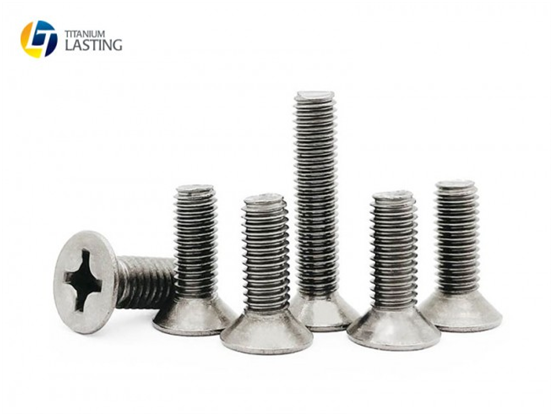
Despite its advantages, working with titanium presents challenges. The material's properties require specialized manufacturing techniques, including advanced machining and forming processes. Aerospace manufacturers must invest in technology and training to ensure that titanium components meet stringent industry standards. The complexity of titanium manufacturing can lead to longer lead times and increased production costs. However, the investment in advanced manufacturing capabilities is often justified by the performance benefits that titanium fasteners provide in aerospace applications.
The titanium supply chain can be complex and subject to fluctuations in availability and pricing. OEMs must navigate these challenges to secure a reliable supply of high-quality titanium fasteners. Collaborating with trusted suppliers and investing in long-term contracts can help mitigate supply chain risks. The global nature of the titanium market means that OEMs must be proactive in managing their supply chains to ensure consistent access to this critical material. As demand for titanium continues to grow, establishing strong relationships with suppliers will be essential for maintaining a competitive edge in the aerospace industry.
In addition to manufacturing and supply chain complexities, the assembly of titanium fasteners presents its own set of challenges. One significant issue is the risk of galling, which occurs when the threads of titanium fasteners seize during installation. This can lead to damage and increased maintenance costs. To mitigate this risk, manufacturers often recommend the use of specialized lubricants during assembly, which can help reduce friction and prevent galling. Understanding these practical challenges is essential for aerospace engineers and manufacturers to ensure the successful implementation of titanium fasteners in their designs.
Research and development in titanium alloys are ongoing, with a focus on enhancing performance characteristics. New alloy formulations aim to improve strength, reduce weight, and enhance corrosion resistance. These innovations will further solidify titanium's position as a material of choice in aerospace applications. The development of next-generation titanium alloys will enable manufacturers to create even lighter and stronger components, pushing the boundaries of what is possible in aircraft design. As the aerospace industry continues to evolve, the role of titanium fasteners will become increasingly important in meeting the demands of modern aviation.
As the aerospace industry increasingly prioritizes sustainability, titanium's recyclability becomes a significant advantage. The ability to recycle titanium fasteners reduces waste and minimizes the environmental impact of aircraft manufacturing. OEMs are exploring recycling programs to ensure that titanium materials are reused and repurposed effectively. The focus on sustainability is driving innovation in the titanium industry, with manufacturers seeking ways to reduce the environmental footprint of titanium production and processing. By embracing recycling and sustainable practices, the aerospace sector can enhance its commitment to environmental responsibility while benefiting from the unique properties of titanium.
Titanium fasteners play a crucial role in the aerospace industry, offering a unique combination of strength, lightweight properties, and corrosion resistance. As aerospace OEMs continue to prioritize efficiency and performance, the reliance on titanium fasteners is expected to grow. By understanding the advantages and challenges associated with titanium, industry professionals can make informed decisions that enhance the safety and reliability of aircraft.
Titanium fasteners offer a high strength-to-weight ratio, excellent corrosion resistance, and the ability to withstand high temperatures, making them ideal for critical aerospace applications.
Titanium is as strong as steel but significantly lighter, while also providing better corrosion resistance than aluminum. This makes titanium a preferred choice for weight-sensitive applications.
Manufacturing titanium requires specialized techniques and equipment, which can increase production complexity and costs. Additionally, the titanium supply chain can be subject to fluctuations.
The demand for titanium fasteners is projected to grow as aerospace manufacturers continue to emphasize lightweight and fuel-efficient designs, along with ongoing innovations in titanium processing.
Titanium's recyclability contributes to sustainability efforts in the aerospace industry, allowing for reduced waste and a lower environmental impact in aircraft manufacturing.


