

Views: 350 Author: Lasting Titanium Publish Time: 2026-02-04 Origin: Site


Content Menu
● Understanding Titanium Tubes
>> Advantages of Titanium Tubes
>> Disadvantages of Titanium Tubes
● Understanding Nickel Alloy Tubes
>> Properties of Nickel Alloys
>> Advantages of Nickel Alloy Tubes
>> Disadvantages of Nickel Alloy Tubes
● Applications of Titanium and Nickel Alloy Tubes
>> Nickel Alloy Tube Applications
In the industrial sector, the choice of materials for tubing applications is critical. Two of the most prominent materials used are titanium and nickel alloys. Each material has its unique properties, advantages, and disadvantages that make them suitable for specific applications. This article delves into the pros and cons of titanium tubes versus nickel alloy tubes, providing insights for industry professionals.
Titanium is known for its exceptional strength-to-weight ratio, corrosion resistance, and biocompatibility. It is a lightweight metal that has a density of approximately 60% that of steel, making it an ideal choice for applications where weight savings are crucial. The unique properties of titanium stem from its atomic structure, which allows it to form a protective oxide layer that enhances its resistance to corrosion. This characteristic is particularly beneficial in environments where exposure to harsh chemicals or seawater is common.
Moreover, titanium's low thermal expansion coefficient means it maintains its shape and integrity under varying temperature conditions, making it suitable for applications that experience thermal cycling. The metal's ability to withstand extreme temperatures without losing its mechanical properties further solidifies its position as a preferred material in high-performance applications.
1. Corrosion Resistance: Titanium exhibits excellent resistance to corrosion, particularly in harsh environments such as marine and chemical processing applications. This resistance is due to the formation of a stable oxide layer that protects the underlying metal from aggressive substances. As a result, titanium tubes are often used in applications where other materials would fail, such as in offshore oil rigs or chemical reactors.
2. High Strength: Titanium alloys possess exceptional specific strength, with their strength comparable to many alloy steels while having a density that is only about 60% of steel. This significant advantage in specific strength makes titanium alloys particularly beneficial in applications where weight reduction is critical, such as in aerospace components. The high tensile strength of titanium also means that it can withstand significant loads and stresses, making it suitable for critical components in aircraft and spacecraft.
3. Biocompatibility: Titanium is non-toxic and biocompatible, making it suitable for medical applications, including implants and surgical instruments. Its compatibility with human tissue reduces the risk of rejection, making it a preferred choice for orthopedic implants and dental fixtures. The ability to integrate seamlessly with biological systems has led to its widespread use in the medical field.
4. Temperature Resistance: Titanium maintains its strength at elevated temperatures, making it suitable for high-temperature applications. However, it is important to note that titanium can experience oxidation and creep at temperatures exceeding 400°C, which may limit its performance in extremely high-temperature environments. In contrast, advanced nickel-based superalloys can operate at temperatures above 1000°C, making them more suitable for such applications. Titanium's advantage lies in its specific strength at moderate temperatures.
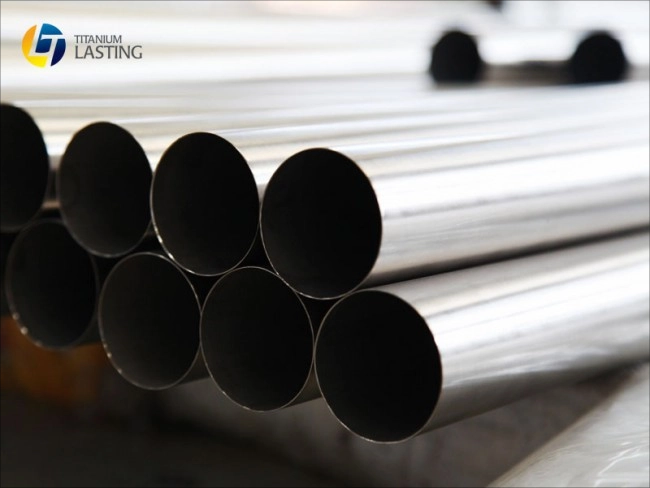
1. Cost: Titanium is generally more expensive than nickel alloys, which can be a significant factor in large-scale applications. The high cost of raw titanium and the complexity of manufacturing processes contribute to its overall expense. For projects with tight budgets, this can be a limiting factor, prompting engineers to consider alternative materials.
2. Machinability: Titanium can be challenging to machine due to its hardness and tendency to work-harden, requiring specialized tools and techniques. The machining process often involves slower speeds and more careful handling to avoid damaging the material. This can lead to increased production times and costs, making it less attractive for high-volume manufacturing.
3. Weldability: While titanium can be welded, it requires careful handling to avoid contamination and ensure strong joints. The welding process must be performed in a controlled environment to prevent the introduction of impurities that can weaken the weld. This requirement can complicate fabrication processes and increase labor costs. In comparison, while nickel alloys are generally easier to weld, they also require specific techniques to control heat input and prevent issues such as hot cracking, especially in high-alloy and precipitation-hardened types.
Nickel alloys are known for their excellent mechanical properties and resistance to heat and corrosion. They are often used in applications that require high strength and durability. The versatility of nickel alloys stems from their ability to maintain structural integrity under extreme conditions, including high temperatures and corrosive environments. This makes them suitable for a wide range of industrial applications, from chemical processing to aerospace.
Nickel alloys can be tailored to meet specific performance requirements by adjusting their composition. For example, adding chromium enhances corrosion resistance, while molybdenum improves strength at elevated temperatures. This adaptability allows engineers to select the right alloy for their specific needs, ensuring optimal performance in demanding applications.
1. Corrosion Resistance: Nickel alloys provide excellent resistance to corrosion, particularly in acidic and high-temperature environments. This property is crucial in industries such as oil and gas, where exposure to corrosive substances is common. The ability to withstand harsh conditions without degrading ensures the longevity and reliability of nickel alloy tubing.
2. High Strength: Nickel alloys can withstand high stress and are often used in applications requiring high strength and durability. The mechanical properties of nickel alloys make them suitable for critical components in power generation and chemical processing, where failure is not an option. Their strength allows for the design of lighter and more efficient systems.
3. Weldability: Nickel alloys are generally easier to weld than titanium, making them more versatile for various applications. The welding process for nickel alloys is less sensitive to contamination, allowing for more straightforward fabrication. However, it is important to note that certain high-performance nickel alloys, particularly those that are precipitation-hardened, may also present challenges during welding, such as susceptibility to cracking if not properly managed.
4. Cost-Effectiveness: Nickel alloys are typically less expensive than titanium, making them a more economical choice for many industrial applications. The lower cost of raw materials and simpler manufacturing processes contribute to the overall affordability of nickel alloy tubing. However, it is essential to analyze costs on a case-by-case basis, as high-performance nickel-based superalloys can be significantly more expensive than common titanium alloys.
1. Weight: Nickel alloys are heavier than titanium, which can be a disadvantage in applications where weight is a critical factor. In industries such as aerospace, where weight savings are paramount, the additional mass of nickel alloys may limit their use. Engineers must carefully consider the trade-offs between strength and weight when selecting materials.
2. Thermal Conductivity: Nickel alloys have higher thermal conductivity than titanium, which may not be suitable for all applications. In situations where heat retention is essential, such as in certain chemical processes, the thermal properties of nickel alloys may lead to inefficiencies. However, it is important to recognize that higher thermal conductivity can be advantageous in heat exchanger applications, where efficient heat transfer is desired.
3. Limited Biocompatibility: While some nickel alloys are biocompatible, they are generally not as suitable for medical applications as titanium. The presence of nickel can lead to allergic reactions in some patients, limiting the use of nickel alloys in medical devices. This factor is crucial for manufacturers in the medical field, where biocompatibility is a primary concern.
- Aerospace: Used in aircraft components due to their lightweight and strength. Titanium's ability to withstand extreme conditions makes it ideal for critical components such as engine parts and airframes. The aerospace industry relies on titanium to improve fuel efficiency and performance.
- Medical: Employed in surgical instruments and implants due to biocompatibility. Titanium's non-toxic nature and resistance to corrosion make it suitable for implants that require long-term stability within the human body. Its use in dental implants and orthopedic devices has revolutionized the medical field.
- Marine: Utilized in seawater applications due to corrosion resistance. Titanium's ability to resist saltwater corrosion makes it a preferred choice for components in marine environments, such as propeller shafts and underwater structures. This property ensures the longevity and reliability of marine equipment.
- Oil and Gas: Commonly used in pipelines and equipment exposed to harsh environments. Nickel alloys are essential in the oil and gas industry, where they withstand corrosive substances and high pressures. Their durability ensures the safe transport of hydrocarbons.
- Chemical Processing: Employed in reactors and heat exchangers due to corrosion resistance. Nickel alloys are vital in chemical plants, where they handle aggressive chemicals and high temperatures. Their ability to maintain structural integrity in challenging conditions is crucial for operational efficiency.
- Power Generation: Used in turbine components and heat exchangers. Nickel alloys are essential in power plants, where they endure extreme temperatures and pressures. Their strength and resistance to thermal fatigue make them suitable for critical components in energy production.
Both titanium and nickel alloys offer high strength and durability, but titanium's superior specific strength makes it preferable in applications where weight is a concern. In aerospace applications, for instance, the lightweight nature of titanium allows for more efficient fuel consumption and improved performance. Conversely, nickel alloys excel in high-stress environments, such as oil and gas applications, where their robustness is essential for safety and reliability.
Titanium is often favored in highly corrosive environments, while nickel alloys are preferred in applications involving acidic substances. The choice depends on the specific environmental conditions. For example, in marine applications, titanium's resistance to seawater corrosion makes it the material of choice. In contrast, nickel alloys are often used in chemical processing where exposure to aggressive chemicals is common.
Cost is a significant factor in material selection. While titanium offers superior properties, its higher cost may not be justified in all applications. Nickel alloys provide a more economical alternative without sacrificing too much performance. In large-scale projects, the cost difference can influence the decision-making process, leading engineers to consider the long-term benefits of each material.
In conclusion, the choice between titanium tubes and nickel alloy tubes depends on the specific requirements of the application. Titanium offers unmatched strength and corrosion resistance, making it ideal for aerospace and medical applications. On the other hand, nickel alloys provide a cost-effective solution with excellent mechanical properties, suitable for oil and gas and chemical processing industries. Understanding the unique properties and applications of each material is essential for making informed decisions in the industrial sector.
1. What are the specific grades of titanium and nickel alloys most commonly used for tubing?
Titanium grades such as Grade 5 (Ti-6Al-4V) and Grade 2 are commonly used, while nickel alloys like Inconel 625 and Monel 400 are popular choices.
2. How do welding techniques differ for titanium and nickel alloy tubes in industrial applications?
Titanium welding requires a controlled environment to prevent contamination, while nickel alloys are generally easier to weld but also require specific techniques to control heat input and prevent cracking.
3. What are the long-term maintenance requirements for titanium versus nickel alloy tubing systems?
Titanium requires minimal maintenance due to its corrosion resistance, while nickel alloys may need regular inspections for corrosion and wear, especially in harsh environments.


