

Views: 315 Author: Lasting Titanium Publish Time: 2026-02-02 Origin: Site


Content Menu
● Understanding Titanium Tubes
>> Applications of Titanium Tubes
● Key Factors to Consider When Inspecting Titanium Tubes
>> 2. Documentation Verification
>> 5. Non-Destructive Testing (NDT)
>> 1. Ignoring Quality Standards
>> 2. Overlooking After-Sales Support
>> 3. Focusing Solely on Price
When it comes to purchasing titanium tubes, ensuring their quality is paramount. Titanium is renowned for its strength, lightweight properties, and corrosion resistance, making it a preferred material in various industries, including aerospace, medical, and chemical processing. However, not all titanium tubes are created equal. This article will guide you through the essential steps to inspect the quality of titanium tubes before making a purchase.
Titanium tubes are hollow cylindrical structures made from titanium alloys or pure titanium. They are used in a variety of applications due to their excellent mechanical properties and resistance to corrosion. The most common grades of titanium used for tubing include Grade 2, Grade 5 (Ti-6Al-4V), and Grade 12 (Ti-0.3Mo-0.8Ni). Each grade has unique properties that make it suitable for specific applications. For instance, Grade 5 is often used in aerospace applications due to its high strength-to-weight ratio, while Grade 2 is favored in chemical processing for its excellent corrosion resistance. Grade 12, in particular, is known for its exceptional resistance to reducing acids, such as hydrochloric acid, making it ideal for chemical processing environments.
Titanium tubes are utilized in numerous applications, including:
- Aerospace: In the aerospace industry, titanium tubes are used for fuel lines, hydraulic systems, and structural components. Their lightweight nature helps reduce overall aircraft weight, improving fuel efficiency and performance. The high strength-to-weight ratio of titanium allows for the design of lighter aircraft without compromising safety or structural integrity.
- Medical: In the medical field, titanium tubes are employed in implants, surgical instruments, and dental applications. Titanium's biocompatibility makes it an ideal choice for medical devices that require long-term implantation in the human body. Its resistance to corrosion and ability to integrate with bone tissue make it a preferred material for orthopedic implants and dental fixtures.
- Chemical Processing: Titanium tubes are essential in heat exchangers, reactors, and piping systems within chemical processing plants. Their resistance to corrosion from aggressive chemicals ensures longevity and reliability in harsh environments. For example, Grade 12 titanium tubes are particularly effective in environments where reducing acids are present, providing a reliable solution for chemical transport and processing.
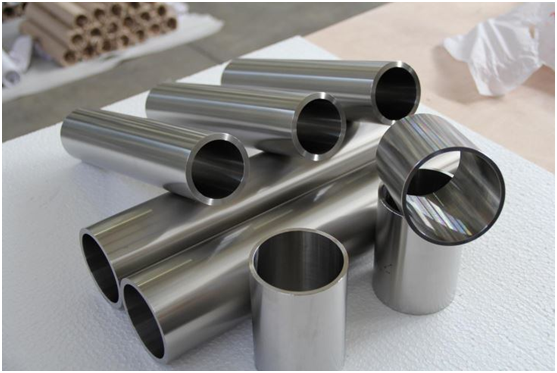
The first step in assessing the quality of titanium tubes is a thorough visual inspection. Look for the following characteristics:
- Surface Finish: High-quality titanium tubes should have a uniform, matte silver-gray finish. Any signs of staining, pitting, or discoloration may indicate poor quality or contamination. A consistent surface finish is crucial as it reflects the manufacturing process and the care taken during production. Surface imperfections can lead to stress concentrations that may compromise the tube's integrity under load.
- Defects: Check for surface cracks, dents, or other manufacturing defects. These can compromise the structural integrity of the tube. Even minor imperfections can lead to significant issues during operation, especially in high-stress applications. A thorough inspection can help identify potential problems before they escalate into costly failures.
Always request documentation from the supplier, including:
- Mill Test Reports: These documents provide detailed information about the chemical composition and mechanical properties of the titanium tubes. They serve as proof that the tubes meet the specified standards and are suitable for their intended application. Mill test reports should include results from various tests, such as tensile strength, yield strength, and elongation. For example, Grade 2 titanium typically has a tensile strength of approximately 345 MPa, while Grade 5 can reach around 895 MPa.
- Certificates of Compliance: Ensure that the tubes meet relevant industry standards, such as ASTM or ISO certifications. These certifications indicate that the manufacturer adheres to strict quality control measures and that the products have been tested for performance. Compliance with industry standards is essential for ensuring the reliability and safety of titanium tubes in critical applications.
The chemical composition of titanium tubes is crucial for their performance. Request a certificate of analysis to verify that the tubes meet the specified alloy grade. For example, Grade 5 titanium should contain approximately 90% titanium, 6% aluminum, and 4% vanadium. Deviations from these compositions can significantly affect the mechanical properties and corrosion resistance of the tubes, leading to potential failures in critical applications.
Understanding the specific alloying elements in titanium is essential, as they can influence properties such as strength, ductility, and resistance to corrosion. For instance, the addition of aluminum in Grade 5 titanium enhances its strength while maintaining a relatively low weight, making it ideal for aerospace applications.
Understanding the mechanical properties of titanium tubes is essential. Key properties to consider include:
- Tensile Strength: The maximum stress that a material can withstand while being stretched or pulled before failing. High tensile strength is vital for applications that involve significant loads or stresses. For example, aerospace components often require materials with high tensile strength to withstand the forces experienced during flight.
- Yield Strength: The amount of stress at which a material begins to deform plastically. Knowing the yield strength helps in determining the safe operating limits of the tubes in various applications. It is crucial to select titanium tubes with appropriate yield strength to ensure they can withstand operational conditions without permanent deformation.
- Ductility: This property refers to the ability of a material to deform under tensile stress. Ductility is important in applications where the material may experience bending or stretching. Titanium's ductility allows it to be formed into complex shapes without cracking, making it suitable for various manufacturing processes.
Non-destructive testing methods can help identify internal defects without damaging the tubes. Common NDT methods include:
- Ultrasonic Testing: This method uses high-frequency sound waves to detect internal flaws. It is particularly effective in identifying voids, inclusions, and other discontinuities that may not be visible on the surface. However, ultrasonic testing may have limitations when applied to complex shapes or thin-walled tubes, as the sound waves may not penetrate effectively.
- Eddy Current Testing: This technique measures the conductivity of the material to identify defects. It is useful for detecting surface cracks and measuring the thickness of the tubes, ensuring they meet the required specifications. However, since titanium has relatively low electrical conductivity, high-frequency probes are necessary for effective eddy current testing.
Research the supplier's reputation in the industry. Look for:
- Customer Reviews: Feedback from previous customers can provide insights into the quality of the products and services. Positive reviews often indicate a reliable supplier who prioritizes customer satisfaction. Engaging with other industry professionals can also provide recommendations for reputable suppliers.
- Certifications: Verify that the supplier holds relevant certifications, such as ISO 9001, which indicates a commitment to quality management. A supplier with a strong reputation is more likely to provide consistent product quality and reliable customer service. Additionally, suppliers with industry-specific certifications may have a better understanding of the unique requirements for titanium tubes in various applications.
Always ensure that the titanium tubes comply with international quality standards. Certifications such as ASTM B338 and AMS 4928 guarantee that the material meets specific requirements for strength and composition. Ignoring these standards can lead to purchasing subpar materials that may fail under operational conditions. Compliance with these standards is essential for ensuring the reliability and safety of titanium tubes in critical applications.
Consider the supplier's after-sales support and warranty policies. A reputable supplier should offer assistance in case of defects or issues with the product. This support is crucial for maintaining operational efficiency and addressing any problems that may arise after the purchase. A strong after-sales support system can help mitigate risks associated with product failures and ensure that customers receive the necessary assistance when needed.
While cost is an important factor, it should not be the only consideration. Low-priced tubes may compromise quality and lead to higher costs in the long run due to failures or replacements. It is essential to balance cost with quality to ensure a reliable and durable product. Investing in high-quality titanium tubes can result in lower maintenance costs and improved performance over time.
Inspecting the quality of titanium tubes before purchasing is a critical step in ensuring their performance and reliability in various applications. By conducting thorough visual inspections, verifying documentation, and understanding the mechanical properties, you can make informed decisions that will benefit your projects. The investment in high-quality titanium tubes pays off in the long run, reducing maintenance costs and enhancing overall performance.
1. What are the common defects found in titanium tubes and how to identify them?
Common defects include surface cracks, pitting, and inconsistent surface finishes. Visual inspections and non-destructive testing methods can help identify these issues before purchase.
2. What are the industry standards for titanium tube quality and how to ensure compliance?
Industry standards such as ASTM B338 and AMS 4928 outline the requirements for titanium tubes. Requesting mill test reports and certificates of compliance from suppliers can ensure adherence to these standards.
3. How does the manufacturing process affect the quality of titanium tubes?
The manufacturing process, including methods like extrusion and welding, can significantly impact the final product's quality. For example, welding can lead to embrittlement in the heat-affected zone, necessitating careful control of heat input. Additionally, the extrusion process can influence grain orientation, which in turn affects mechanical properties.
4. What should I do if I find defects in the titanium tubes after purchase?
Contact the supplier immediately to discuss the issue and inquire about their warranty and return policies. A reputable supplier should address any defects promptly.
5. How can I verify the chemical composition of titanium tubes?
Request a certificate of analysis from the supplier, which details the chemical composition and ensures it meets the specified alloy grade.
</p>


