

Views: 360 Author: Lasting Titanium Publish Time: 2026-01-14 Origin: Site


Content Menu
● Key Stages in Titanium Processing
>> 3. Production of Titanium Sponge
● Applications of Titanium Rods and Wires
Titanium is a remarkable metal known for its strength, lightweight properties, and excellent corrosion resistance. Its unique characteristics make it a preferred choice in various industries, including aerospace, medical, and automotive. The processing of titanium involves several key stages, particularly when producing titanium rods and wires from bar stock. This article will explore these stages in detail, providing insights into the methods and technologies used in titanium processing.
Titanium is a transition metal with the chemical symbol Ti and atomic number 22. It is known for its high strength-to-weight ratio, making it ideal for applications where lightweight materials are essential. Titanium is also highly resistant to corrosion, which is why it is often used in harsh environments. Its ability to withstand extreme temperatures and pressures further enhances its appeal in high-performance applications, such as aerospace and military sectors.
Titanium is often alloyed with other metals to enhance its properties. Common titanium alloys include Ti-6Al-4V, which contains aluminum and vanadium, and is widely used in aerospace applications due to its excellent strength and corrosion resistance. The versatility of titanium makes it suitable for a wide range of applications, from industrial components to consumer products.
- Strength: Titanium is as strong as steel but significantly lighter, which allows for weight savings in structural applications without compromising strength. This property is particularly valuable in aerospace, where reducing weight can lead to significant fuel savings.
- Corrosion Resistance: It can withstand harsh chemicals and environments, making it suitable for marine and chemical processing applications. Titanium's resistance to corrosion is due to the formation of a protective oxide layer on its surface, which prevents further oxidation.
- Biocompatibility: Titanium is non-toxic and is widely used in medical implants, such as hip and knee replacements, due to its compatibility with human tissue. This property is crucial for ensuring the longevity and success of medical implants.
- High Melting Point: Titanium has a melting point of about 1,668 °C (3,034 °F), which allows it to maintain its structural integrity at elevated temperatures. This characteristic makes titanium suitable for high-temperature applications, such as jet engines and gas turbines.
The production of titanium rods and wires from bar stock involves several critical stages, each requiring precision and advanced technology. Below are the key stages in the processing of titanium.
The first step in titanium processing is the extraction of titanium ore, primarily ilmenite (FeTiO3) or rutile (TiO2). This process involves:
- Mining: Ilmenite is extracted using open-pit mining techniques, which are efficient for accessing large deposits of ore. The mining process can have significant environmental impacts, including habitat destruction and soil erosion, which necessitates careful management and rehabilitation efforts. Mining operations must adhere to environmental regulations to minimize their impact on local ecosystems.
- Crushing and Grinding: The ore is crushed and ground to liberate titanium minerals. This step is crucial as it increases the surface area of the ore, making it easier to extract titanium during subsequent processing stages. The grinding process also helps to separate the titanium minerals from other materials present in the ore.
After extraction, the ore undergoes beneficiation to increase the titanium content. This process includes:
- Concentration: Removing impurities to enhance the titanium dioxide concentration. Techniques such as gravity separation, magnetic separation, and flotation are commonly employed to achieve this. The goal is to produce a high-grade concentrate that can be further processed into titanium metal.
- Separation: Using physical and chemical methods to separate titanium minerals from other materials. The beneficiation process is critical for ensuring that the titanium content is maximized, which directly affects the efficiency of the subsequent processing stages.
The concentrated titanium ore is then converted into titanium sponge through the Kroll process, which involves:
- Chlorination: The ore is reacted with chlorine gas to produce titanium tetrachloride (TiCl4). This step is critical as it transforms the solid ore into a volatile compound that can be easily reduced to titanium metal. The chlorination process must be carefully controlled to ensure high yields and minimize the formation of byproducts.
- Reduction: The TiCl4 is reduced using magnesium in a vacuum environment to produce titanium sponge. The purity of titanium sponge produced through the Kroll process typically reaches 99.5% or higher, with the main impurities being residual magnesium and chlorides. This high purity is essential for producing high-quality titanium products.
The titanium sponge is then melted and cast into ingots or bars. This stage includes:
- Vacuum Arc Remelting (VAR): This method is used to refine the titanium and remove impurities. The VAR process involves melting the titanium sponge in a vacuum to prevent contamination from atmospheric gases. The melting temperature is typically controlled to be 100-150 °C above the melting point of titanium, which is in the range of 1,800-1,850 °C. To achieve higher purity titanium ingots, the VAR process usually requires multiple remelting cycles (typically 2-3 times) to ensure uniform composition and to effectively remove impurities while ensuring the alloying elements are evenly distributed.
- Casting: The molten titanium is poured into molds to form ingots. The casting process can be tailored to produce different shapes and sizes, depending on the requirements of the final product. The quality of the casting is crucial, as any defects can affect the performance of the final titanium products.
Once the titanium is cast into ingots, it undergoes forging and rolling to achieve the desired shapes:
- Forging: The ingots are heated and shaped using mechanical presses to form bars. Titanium alloy forging is typically divided into β forging (above the β phase transformation temperature) and (α+β) forging (within the two-phase region) to achieve different microstructures and mechanical properties. The forging process can be performed at various temperatures, depending on the specific alloy and desired properties.
- Rolling: The bars are rolled into thinner sheets or rods, depending on the final product requirements. Rolling can be performed hot or cold, with hot rolling being preferred for thicker materials to reduce the risk of cracking. The rolling process allows for the production of titanium products with precise dimensions and surface finishes.
To produce titanium wires, the bars are drawn into thinner diameters through a process called wire drawing:
- Annealing: The bars are heated to soften the metal before drawing. This step is essential as it reduces the risk of work hardening, which can make the material brittle and difficult to work with. Annealing also helps to relieve internal stresses that may have developed during previous processing stages.
- Drawing: The bars are pulled through a series of dies to reduce their diameter and increase their length. Titanium wire processing requires the use of hot drawing (800-900 °C) or warm drawing techniques to avoid excessive hardening that can occur with cold working. The wire drawing process requires precise control of tension and speed to ensure uniformity in diameter and surface finish. The final diameter of the wire can be adjusted by varying the size of the dies used in the drawing process.
After wire drawing, the titanium wires undergo surface treatments to enhance their properties:
- Pickling: This process removes the oxide layer from the surface, which can negatively affect the wire's performance in applications. Titanium acid pickling typically employs a mixed acid solution containing 2-4% HF and 15-30% HNO3, with the treatment temperature controlled between 40-60 °C. This step is crucial for ensuring good adhesion of any coatings applied later.
- Coating: Wires may be coated with materials like gold or anodized to improve corrosion resistance. Coatings can also enhance the wire's electrical conductivity, making it suitable for various electronic applications. The choice of coating depends on the intended application of the titanium wire.
Quality control is crucial at every stage of titanium processing. This includes:
- Inspection: Each batch of titanium rods and wires is inspected for defects. Non-destructive testing methods, such as ultrasonic testing and X-ray inspection, are commonly used to detect internal flaws. Visual inspections are also performed to check for surface defects and ensure that the products meet specified tolerances.
- Testing: Mechanical properties such as tensile strength and ductility are tested to ensure they meet industry standards. In addition to routine testing, aerospace-grade titanium materials must undergo special inspection items such as β spot testing, low-magnification microstructure examination, and hydrogen content analysis. Rigorous testing protocols help manufacturers guarantee the reliability and performance of their titanium products.
Titanium rods and wires are used in various applications, including:
- Aerospace: Components in aircraft and spacecraft due to their lightweight and strength. Titanium is used in critical structural components, engine parts, and fasteners, where performance and reliability are paramount. The aerospace industry values titanium for its ability to withstand extreme temperatures and corrosive environments.
- Medical: Surgical instruments and implants because of their biocompatibility. Titanium is commonly used in dental implants, orthopedic devices, and surgical tools, where it must withstand bodily fluids and stresses without corroding. The use of titanium in medical applications has revolutionized the field, providing patients with durable and long-lasting implants.
- Chemical Processing: Equipment and piping in corrosive environments. Titanium's resistance to corrosion makes it ideal for use in chemical reactors, heat exchangers, and piping systems in industries such as oil and gas, pharmaceuticals, and food processing. The longevity and reliability of titanium components reduce maintenance costs and downtime in industrial operations.
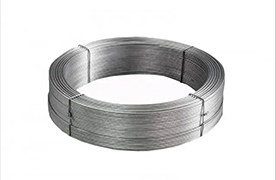
The processing of titanium from raw ore to finished rods and wires is a complex and multi-stage process that requires advanced technology and strict quality control. Each stage, from extraction to final inspection, plays a crucial role in ensuring the high performance and reliability of titanium products. As industries continue to demand lighter, stronger, and more corrosion-resistant materials, the importance of titanium processing will only grow. The ongoing research and development in titanium alloys and processing techniques promise to further enhance the capabilities and applications of this remarkable metal.
1. What is the Kroll process?
- The Kroll process is a method for producing titanium sponge from titanium tetrachloride through reduction with magnesium. It is a critical step in titanium processing that allows for the production of high-purity titanium, typically reaching 99.5% purity or higher.
2. Why is titanium used in aerospace applications?
- Titanium's high strength-to-weight ratio and corrosion resistance make it ideal for aerospace components. Its ability to withstand extreme temperatures and pressures further enhances its suitability for aircraft and spacecraft.
3. What are the main properties of titanium?
- Titanium is known for its strength, corrosion resistance, biocompatibility, and high melting point. These properties make it a versatile material for various applications across multiple industries.
4. How is titanium wire drawn?
- Titanium wire is drawn by pulling heated bars through a series of dies to reduce their diameter. This process requires careful control of tension and speed to ensure uniformity and quality.
5. What surface treatments are applied to titanium wires?
- Common treatments include pickling to remove oxides and coatings to enhance corrosion resistance. These treatments improve the performance and longevity of titanium wires in various applications.


