

Views: 380 Author: Lasting Titanium Publish Time: 2026-01-24 Origin: Site


Content Menu
● Understanding Titanium Round Bars
>> What are Titanium Round Bars?
● Market Trends for Titanium Round Bars in 2026
>> Growing Demand in Aerospace
>>> Innovations in Aerospace Applications
>> Expansion in the Medical Sector
>>> Increasing Surgical Procedures
>> Chemical Processing Industry Growth
>>> Demand for Corrosion-Resistant Materials
● Factors Driving Demand for Titanium Round Bars
>> Sustainability and Environmental Considerations
>> Europe
>> Asia-Pacific
● Challenges in the Titanium Round Bar Market
● Future Outlook for Titanium Round Bars
>> Innovations and Developments
>> 1. What are the primary applications of titanium round bars?
>> 2. How does titanium compare to other metals in terms of cost?
>> 3. What factors are driving the demand for titanium round bars?
>> 4. What challenges does the titanium round bar market face?
>> 5. What is the expected growth rate for the titanium round bar market?
The titanium industry is poised for significant growth in the coming years, particularly in the market for titanium round bars. As industries increasingly recognize the unique properties of titanium, including its strength, lightweight nature, and corrosion resistance, the demand for titanium round bars is expected to rise. This article explores the market trends and demand forecasts for titanium round bars in 2026, providing insights into the factors driving this growth and the applications that will benefit from it.
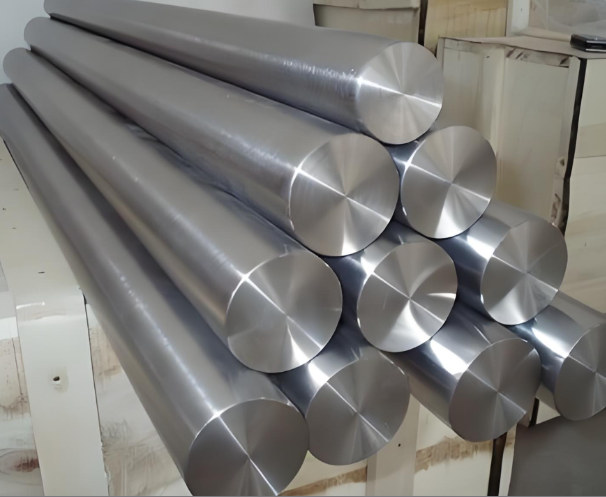
Titanium round bars are cylindrical bars made from titanium, a metal known for its exceptional strength-to-weight ratio and resistance to corrosion. These bars are used in various applications across multiple industries, including aerospace, medical, marine, and chemical processing. The unique properties of titanium make it an ideal choice for components that require durability and reliability in harsh environments. The manufacturing process of titanium round bars typically involves forging, rolling, and machining, which allows for precise dimensions and surface finishes tailored to specific applications.
Titanium possesses several key properties that contribute to its popularity in industrial applications:
- High Strength-to-Weight Ratio: Titanium is as strong as steel but significantly lighter, making it an excellent choice for applications where weight reduction is critical. This property is particularly advantageous in aerospace applications, where reducing weight can lead to improved fuel efficiency and performance.
- Corrosion Resistance: Titanium forms a protective oxide layer when exposed to oxygen, preventing corrosion in aggressive environments, such as seawater and acidic solutions. This corrosion resistance is crucial for components used in marine and chemical processing applications, where exposure to harsh chemicals is common.
- Biocompatibility: Titanium is non-toxic and compatible with human tissue, making it suitable for medical implants and devices. Its biocompatibility ensures that titanium implants can integrate well with bone and soft tissue, reducing the risk of rejection and complications.
- Heat Resistance: Titanium can withstand high temperatures without losing its structural integrity. This characteristic is essential in applications such as aerospace and chemical processing, where components are often exposed to extreme heat. Titanium's ability to maintain its strength at elevated temperatures makes it ideal for use in turbine engines and heat exchangers.
The aerospace industry is one of the largest consumers of titanium round bars. As air travel continues to recover post-pandemic, the demand for lightweight and durable materials in aircraft manufacturing is expected to increase. Titanium's high strength-to-weight ratio makes it an ideal choice for critical components such as engine parts, airframes, and landing gear. The aerospace sector is increasingly focused on improving fuel efficiency and reducing emissions, which further drives the need for lightweight materials like titanium.
Recent advancements in aerospace technology, including the development of more fuel-efficient engines and lighter aircraft designs, are driving the demand for titanium round bars. Manufacturers are increasingly looking for materials that can withstand extreme conditions while reducing overall weight, and titanium fits this requirement perfectly. Innovations such as additive manufacturing are also being explored to create complex geometries that were previously impossible with traditional manufacturing methods, allowing for even greater weight savings and performance enhancements.
The medical industry is another significant market for titanium round bars. With the growing demand for medical implants and devices, titanium's biocompatibility and corrosion resistance make it a preferred material for surgical instruments, orthopedic implants, and dental fixtures. The increasing prevalence of chronic diseases and an aging population are contributing to a rise in surgical procedures, further driving the demand for titanium products.
As the global population ages and healthcare technology advances, the number of surgical procedures is expected to rise. This trend will drive the demand for titanium round bars, as they are essential for producing high-quality medical devices that require durability and reliability. Additionally, the rise of minimally invasive surgical techniques is leading to the development of smaller, more intricate devices, which often utilize titanium due to its favorable properties.
The chemical processing industry relies heavily on materials that can withstand corrosive environments. Titanium round bars are increasingly used in reactors, heat exchangers, and piping systems due to their exceptional resistance to corrosion from aggressive chemicals. The ability of titanium to maintain its integrity in harsh chemical environments makes it a valuable asset for chemical processing applications.
As industries seek to improve safety and efficiency, the demand for corrosion-resistant materials like titanium is expected to grow. The ability of titanium to resist pitting and crevice corrosion makes it particularly suitable for applications in chemical processing, where equipment failure can lead to significant safety hazards and financial losses. The ongoing development of new titanium alloys with enhanced corrosion resistance is also expected to expand the range of applications for titanium round bars in this sector.
Advancements in manufacturing technologies, such as additive manufacturing and improved machining techniques, are making it easier and more cost-effective to produce titanium round bars. These innovations are expanding the range of applications for titanium and driving demand across various industries. For example, the use of 3D printing technology allows for the production of complex titanium components with reduced material waste and shorter lead times.
As industries become more focused on sustainability, the demand for materials that can reduce environmental impact is increasing. Titanium's longevity and recyclability make it an attractive option for companies looking to minimize their carbon footprint. In the aerospace sector, for instance, using titanium alloys to achieve weight reduction directly contributes to lower carbon emissions, aligning with global carbon neutrality goals and making titanium materials a preferred choice for manufacturers.
The global economy is gradually recovering from the impacts of the COVID-19 pandemic, leading to increased investments in infrastructure, aerospace, and healthcare. This recovery is expected to drive demand for titanium round bars as industries ramp up production and seek reliable materials for their projects. The resurgence of manufacturing activities and infrastructure development in emerging markets is also contributing to the growth of the titanium market.
North America is expected to remain a significant market for titanium round bars, driven by the aerospace and medical sectors. The presence of major aerospace manufacturers and medical device companies in the region contributes to the strong demand for titanium products. Additionally, government initiatives aimed at promoting advanced manufacturing and innovation are expected to further bolster the titanium market in North America.
Europe is also witnessing growth in the titanium round bar market, particularly in the aerospace and automotive industries. The region's focus on innovation and sustainability is driving the adoption of titanium as a preferred material for high-performance applications. European manufacturers are increasingly investing in research and development to enhance the properties of titanium alloys and expand their applications.
The Asia-Pacific region is anticipated to experience rapid growth in the titanium round bar market, fueled by increasing industrialization and infrastructure development. Countries such as China and India are investing heavily in aerospace and manufacturing, creating opportunities for titanium suppliers. The growing demand for lightweight materials in automotive and aerospace applications in this region is expected to drive the market for titanium round bars.
One of the primary challenges facing the titanium round bar market is the high cost of production. The extraction and processing of titanium are complex and energy-intensive, leading to higher prices compared to other metals. This cost can be a barrier for some industries looking to adopt titanium as a material. Manufacturers are continuously exploring ways to reduce production costs through process optimization and technological advancements.
The titanium supply chain can be affected by geopolitical factors, trade policies, and raw material availability. Disruptions in the supply chain can impact the production and delivery of titanium round bars, leading to potential delays and increased costs for manufacturers. Companies are increasingly looking to diversify their supply sources and invest in local production capabilities to mitigate these risks.
According to reports from multiple market research firms, including Grand View Research and MarketWatch, the titanium round bar market is expected to grow significantly in the coming years, with projections indicating a compound annual growth rate (CAGR) of over 6% through 2026. This growth will be driven by increasing demand from key industries, technological advancements, and a focus on sustainability. As more industries recognize the benefits of titanium, the market for titanium round bars is likely to expand further.
As the titanium industry continues to evolve, innovations in manufacturing processes and material properties will play a crucial role in shaping the future of titanium round bars. Companies that invest in research and development will be better positioned to meet the changing demands of the market. The development of new titanium alloys with enhanced properties, such as improved corrosion resistance and strength, will open up new applications and opportunities for growth.
The market for titanium round bars is set to experience substantial growth in 2026, driven by demand from the aerospace, medical, and chemical processing industries. As technological advancements continue to improve production methods and sustainability becomes a priority, titanium will remain a key material for high-performance applications. Companies that adapt to these trends and invest in innovation will thrive in the evolving titanium market.
Titanium round bars are primarily used in aerospace, medical devices, marine applications, and chemical processing due to their strength, lightweight nature, and corrosion resistance.
Titanium is generally more expensive than other metals due to its complex extraction and processing methods. However, its long-term durability and performance can justify the higher initial investment.
The demand for titanium round bars is driven by growth in the aerospace and medical sectors, technological advancements in manufacturing, and a focus on sustainability.
Challenges include high production costs, supply chain constraints, and competition from alternative materials.
The titanium round bar market is projected to grow at a compound annual growth rate (CAGR) of over 6% through 2026.


