

Views: 300 Author: Lasting Titanium Publish Time: 2026-03-07 Origin: Site


Content Menu
>> The Fundamentals of Storage Environments
>>> Climate Control and Humidity Management
>>> Site Cleanliness and Contamination Prevention
>> Specialized Storage Infrastructure
>>> Rack Systems and Material Support
>> Handling Protocols and Best Practices
>>> Mechanical Handling and Protection
>>> Inspection and Documentation
>> Detailed Operational Guidelines
>> Conclusion
>> Frequently Asked Questions (FAQ)
Titanium is a premier material prized for its exceptional strength-to-weight ratio, superior corrosion resistance, and high-temperature performance. As industry professionals, we understand that maintaining the metallurgical integrity of titanium round bars from the moment they leave our facility to the final machining or assembly stage is not just about logistics—it is a critical requirement for performance reliability in aerospace, medical, and industrial applications.
Improper storage or reckless handling can induce surface contamination, mechanical damage, or even accelerate oxidation, potentially leading to catastrophic failure in the end product. Titanium alloys, particularly high-strength grades used in critical structural components, possess surface characteristics that require specific environmental vigilance. When titanium is exposed to improper conditions, the passive oxide layer—which provides its legendary corrosion resistance—can be compromised or become a site for crack initiation under cyclic loading. This guide provides a deep-dive technical overview of the rigorous protocols required to manage titanium round bars effectively in a modern industrial setting.
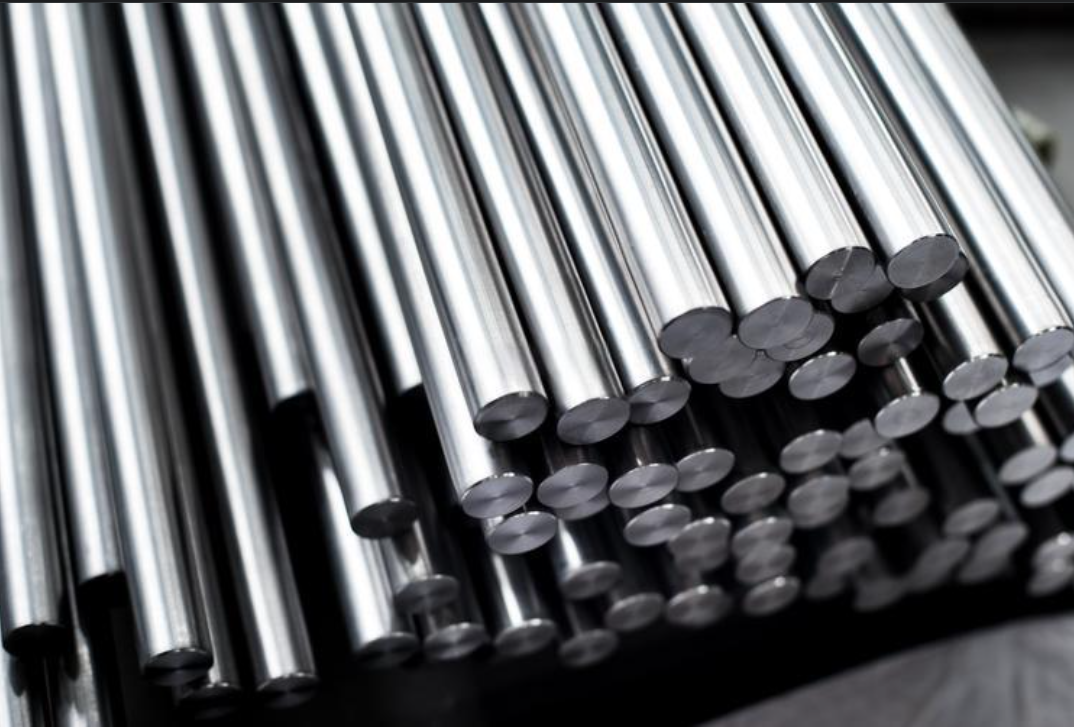
Titanium, while remarkably resistant to many environments, is sensitive to specific contaminants during extended storage. The goal is to create a controlled, clean, and dry environment that minimizes the risk of surface degradation. While the material is inherently noble, its reactivity at high temperatures means that any impurity picked up during storage can be driven into the matrix during subsequent heat treatment or welding.
Humidity is a primary adversary in a metal storage facility. While titanium does not rust in the traditional sense like ferrous metals, high-humidity environments can lead to surface adsorption of moisture, which may, depending on the alloy and surface condition, foster localized corrosion or promote the adhesion of airborne contaminants. Moisture-laden surfaces act as a conduit for atmospheric pollutants to adhere to the bar.
- Controlled Humidity: Maintain relative humidity in the storage area below 60%. In regions with higher humidity, the installation of industrial-grade dehumidifiers is essential to stabilize the environment. Even a minor variation in humidity levels can lead to the formation of micro-droplets on the surface, which, when combined with industrial dust, creates a corrosive slurry that can pit the surface of high-performance alloys.
- Temperature Stability: While titanium is relatively stable, extreme temperature fluctuations can cause condensation on metal surfaces, especially when bringing cold bars into a warm storage area. Ensure the storage facility is climate-controlled or at least insulated to avoid rapid changes. Sudden temperature spikes can also cause minor expansions or contractions in the racks themselves, potentially applying undue stress to the material.
Titanium is highly reactive to certain elements when exposed to high heat (e.g., during later welding or processing). Contamination acquired during storage can be embedded into the material, causing issues later.
- Segregation: Never store titanium in the same rack as carbon steel, stainless steel, or other base metals. Carbon steel, in particular, can cause "iron contamination" on the surface of the titanium bar, which, when later heated during fabrication, can lead to severe corrosion and embrittlement. This galvanic potential is significant, and contact between dissimilar metals must be entirely eliminated.
- Chemical Isolation: Keep titanium away from acids, alkalis, salts, and organic solvents. The storage area should be a "clean zone" strictly designated for high-value alloys. Even trace amounts of chlorine or sulfur compounds can initiate stress corrosion cracking in certain titanium grades under operational stress.
- Warehouse Hygiene: The floor should be clear of debris, weeds, and industrial dust. Ensure that the storage area has smooth drainage and is not prone to flooding or moisture accumulation. Regular industrial floor cleaning using non-corrosive, neutral detergents is advised to prevent the migration of shop floor contaminants to the metal surface.

The structural integrity of your rack system is just as important as the environment itself. Titanium round bars are heavy, and improper support can lead to permanent deformation or surface marking. The weight of large-diameter bars can exert significant pressure on contact points, potentially causing localized work-hardening if the support surface is too narrow or too hard.
- Cantilever Racking: For long-term storage of round bars, cantilever rack systems are the industry standard. They allow for easy, unobstructed access via forklifts or overhead cranes and provide excellent support along the length of the bar, preventing the sagging that occurs with standard pallet racking.
- Non-Metallic Contact: Whenever possible, use racks with protective, non-metallic, or polymer-coated surfaces. Direct contact with raw steel or concrete can cause surface scratches or galvanic reactions, even if minor. Using high-density polyethylene, nylon, or seasoned wooden spacers can help mitigate these risks, ensuring the titanium does not come into contact with metallic ions that could compromise its surface finish.
- Organization by Alloy and Dimension: Segregate different grades and sizes clearly. Titanium Grade 7, for example, possesses specific corrosion-resistant properties that differentiate it from commercially pure (CP) grades; mixing them can lead to costly manufacturing errors where the wrong alloy is used in a critical high-stress application. Utilizing a robust inventory management system (ERP) linked to physical color-coding or clear, weather-resistant labeling is essential.

Handling is the phase where physical damage is most likely to occur. From the moment the bars are received from the manufacturer to the point they are moved to the machine shop, strict adherence to safety and handling protocols is mandatory to maintain the surface finish and dimensional tolerance.
- Surface Protection: Workers should always wear clean, oil-free, and lint-free gloves when handling titanium bars to prevent the transfer of skin oils, grease, or dirt onto the surface. These organic contaminants can carbonize during subsequent heat treatment, leading to surface hardness variations or embrittlement.
- Lifting Techniques: Avoid using bare steel chains, wire ropes, or unpadded slings directly against the bar. These can create deep scratches or gouges, which act as stress risers. Always utilize wide-web nylon slings or cushioned lifting devices that distribute the weight evenly across a broader surface area.
- Avoiding Impact: Do not drag or drop bars. Impact can cause localized deformation or work-hardening, which may interfere with precision machining. Any surface gouge must be addressed before the material enters the production cycle, as it could compromise the structural integrity of the final part.
- Routine Audits: Conduct periodic inspections of your stock. Look for signs of surface oxidation, embedded dirt, or accidental mechanical damage. A scheduled audit also allows for the recalibration of the environmental controls in the warehouse, ensuring the humidity and temperature sensors remain accurate.
- Traceability: Maintain accurate records regarding the grade, heat number, and arrival date for all inventory. This ensures first-in-first-out (FIFO) inventory management and helps maintain the traceability essential for high-integrity applications. In industries like aerospace, the lack of a proper mill test report (MTR) or chain of custody documentation can render the material unusable, regardless of its physical condition.
To elevate your facility's management of titanium, consider the following advanced strategies:
1. Environmental Monitoring: Install IoT-enabled sensors that provide real-time alerts if humidity or temperature deviates from the defined safe range. This proactive approach allows warehouse managers to rectify issues before they result in long-term damage to the inventory.
2. Standard Operating Procedures (SOPs): Develop and enforce a written SOP for all personnel involved in the handling of titanium. Training should include not only how to lift and store but also the "why" behind the strict cleanliness standards. When staff understands that a simple thumbprint can potentially lead to a failed component in a jet engine, compliance naturally improves.
3. Dedicated Tooling: Ensure that the tools used to measure, cut, or move titanium round bars are dedicated solely to that material. If a saw or a measuring tape is used on carbon steel and then on titanium, you are effectively introducing cross-contamination. Color-code your shop tools to ensure they never migrate from the steel section to the titanium section.
| Category | Best Practice Protocol |
|---|---|
| Environment | Keep relative humidity below 60%; monitor temperature to prevent condensation. |
| Segregation | Physically separate titanium from all ferrous metals and alloys. |
| Contact Materials | Use nylon, polymer, or wooden spacers; prevent metal-on-metal contact. |
| Handling | Utilize soft slings; mandate lint-free, oil-free gloves; never drag. |
| Organization | Implement rigorous MTR traceability and clear, durable labeling. |
| Safety/Cleaning | Use neutral, non-chlorinated cleaners; keep the storage floor dust-free. |
Effective storage and handling of titanium round bars represent a commitment to quality that resonates throughout the entire manufacturing chain. By controlling the environment, utilizing appropriate rack infrastructure, and enforcing rigorous handling protocols, you safeguard the material's properties and ensure the reliability of the components fabricated from them. Consistency in these practices is the hallmark of a professional facility and the best defense against material degradation. In an industry where reliability is paramount, your storage and handling habits are just as important as the metallurgical specifications of the titanium itself.
*
1. Why is it crucial to keep titanium away from carbon steel during storage?
Carbon steel can cause iron contamination on the surface of the titanium bar. During later processing stages, particularly when the titanium is heated for forging or welding, this embedded iron can diffuse into the titanium matrix. This process can cause localized accelerated corrosion, surface embrittlement, and potential structural failure of the final component, which is particularly dangerous in high-load applications.
2. What is the recommended relative humidity level for storing titanium bars?
It is highly recommended to maintain the relative humidity in your storage area consistently below 60%. Excess moisture acts as an electrolyte that facilitates the transfer of contaminants from the air or handling tools to the bar surface. Consistently low humidity prevents the formation of condensation, which is the primary catalyst for surface adsorption and subsequent contamination in high-performance alloys.
3. Are there special gloves required for handling titanium?
Yes, workers should always wear clean, lint-free, oil-free, and grease-free gloves. Human skin oils and common shop floor dirt can be difficult to remove and may become trapped on the surface. These organic contaminants can create localized chemical reactions during heat treatment or welding, potentially leading to surface defects that could compromise the integrity of the finished part.
4. What types of racks are best suited for round bars?
Cantilever rack systems are the superior choice for storing long, heavy round bars. They provide excellent, uniform structural support along the entire length of the bar, which effectively prevents sagging or long-term deformation. These systems also allow for efficient, safe, and organized access via overhead cranes or specialized forklifts, minimizing the risk of incidental contact with support structures.
5. How often should stored titanium stock be inspected?**
Routine inspections should be conducted as a core component of your facility's inventory management program. While the frequency depends on the specific environmental conditions of your warehouse, a minimum quarterly check for surface oxidation, dust accumulation, or mechanical damage is advised. Additionally, every time a bar is moved or retrieved for production, a quick visual inspection should be integrated into the handling workflow.


