

Views: 380 Author: Lasting Titanium Publish Time: 2025-04-24 Origin: Site


Content Menu
● Understanding Titanium Flat Bars
>> Key Properties of Titanium Flat Bars
● Alternatives to Titanium Flat Bars
>>> Advantages of Aluminum Flat Bars
>>> Disadvantages of Aluminum Flat Bars
>>> Advantages of Steel Flat Bars
>>> Disadvantages of Steel Flat Bars
>>> Advantages of Carbon Fiber Flat Bars
>>> Disadvantages of Carbon Fiber Flat Bars
>>> Advantages of Niobium Flat Bars
>>> Disadvantages of Niobium Flat Bars
>> 5. Stainless Steel Flat Bars
>>> Advantages of Stainless Steel Flat Bars
>>> Disadvantages of Stainless Steel Flat Bars
>> 1. What are titanium flat bars used for?
>> 2. How do aluminum flat bars compare to titanium flat bars?
>> 3. Are carbon fiber flat bars worth the investment?
>> 4. Can stainless steel flat bars be used in outdoor applications?
>> 5. What is the main advantage of using niobium flat bars?
Titanium flat bars are renowned for their strength, lightweight properties, and corrosion resistance, making them a popular choice in various applications, from bicycles to industrial uses. However, their high cost can be a barrier for many buyers. Fortunately, there are several alternatives that offer similar benefits at a more affordable price. This article explores the best alternatives to titanium flat bars, focusing on materials like aluminum, steel, and carbon fiber, and discusses their advantages and disadvantages.
Before diving into alternatives, it's essential to understand what titanium flat bars are and why they are favored in many applications. Titanium is a metal known for its high strength-to-weight ratio, excellent corrosion resistance, and biocompatibility. These properties make titanium flat bars ideal for use in medical devices, aerospace components, and high-performance bicycles. The unique characteristics of titanium allow it to perform exceptionally well in environments that would degrade other materials, making it a go-to choice for engineers and designers.
- Lightweight: Titanium is significantly lighter than steel, making it an excellent choice for applications where weight is a critical factor. This property is particularly advantageous in aerospace and automotive industries, where reducing weight can lead to improved fuel efficiency and performance.
- Corrosion Resistance: Titanium does not rust or corrode easily, which is particularly beneficial in harsh environments. This resistance extends the lifespan of components made from titanium, reducing the need for frequent replacements and maintenance.
- Strength: Titanium has a high tensile strength, making it suitable for applications that require durability and reliability. Its strength allows for thinner designs without compromising structural integrity, which is crucial in high-stress applications.
- Biocompatibility: This property makes titanium ideal for medical applications, such as implants and surgical instruments. The body accepts titanium well, reducing the risk of rejection and complications in medical procedures.
Despite these advantages, the cost of titanium flat bars can be prohibitive, leading many to seek more budget-friendly alternatives.
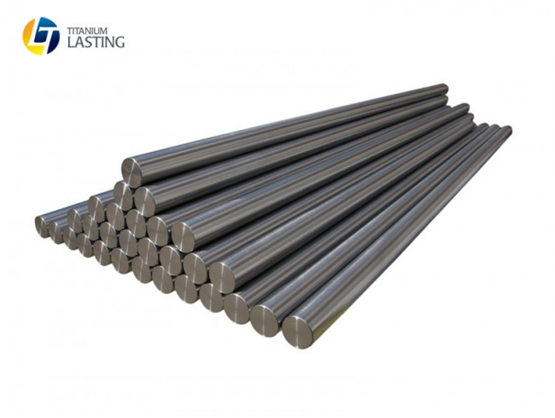
Aluminum is one of the most common alternatives to titanium flat bars. It is lightweight, corrosion-resistant, and significantly cheaper than titanium. The versatility of aluminum makes it a popular choice across various industries, from construction to automotive manufacturing.
- Cost-Effective: Aluminum is much less expensive than titanium, making it a popular choice for budget-conscious buyers. This affordability allows manufacturers to allocate resources to other areas of production, enhancing overall efficiency.
- Lightweight: While not as light as titanium, aluminum is still considerably lighter than steel. This characteristic is particularly beneficial in applications where weight savings are essential, such as in the aerospace sector.
- Corrosion Resistance: Aluminum naturally forms a protective oxide layer, which helps prevent corrosion. This property makes aluminum suitable for outdoor applications and environments where exposure to moisture is a concern.
- Lower Strength: Aluminum is not as strong as titanium, which may limit its use in high-stress applications. In situations where strength is paramount, aluminum may not provide the necessary performance.
- Fatigue Resistance: Aluminum can be more susceptible to fatigue over time compared to titanium. This limitation can lead to failures in applications that experience repeated stress cycles, necessitating careful consideration of its use.
Steel is another alternative that offers a different set of properties. While heavier than both titanium and aluminum, steel flat bars are known for their strength and durability. Steel is widely used in construction and manufacturing due to its robustness and versatility.
- High Strength: Steel is incredibly strong and can withstand significant loads, making it suitable for heavy-duty applications. This strength is particularly advantageous in structural applications where safety and reliability are critical.
- Cost-Effective: Steel is generally cheaper than both titanium and aluminum, making it an attractive option for many buyers. The lower cost of steel can lead to significant savings in large-scale projects.
- Versatility: Steel can be easily welded and fabricated, allowing for a wide range of applications. Its adaptability makes it a preferred choice in various industries, from automotive to construction.
- Weight: Steel is much heavier than titanium and aluminum, which can be a disadvantage in applications where weight is a concern. The added weight can impact performance and efficiency, particularly in transportation applications.
- Corrosion: Steel is prone to rust and corrosion unless treated or coated, which can increase maintenance costs. This susceptibility requires additional protective measures, such as galvanization or painting, to ensure longevity.
Carbon fiber is a composite material that has gained popularity in high-performance applications, particularly in the cycling industry. Its unique properties make it an attractive alternative to traditional metals.
- Lightweight: Carbon fiber is lighter than both titanium and aluminum, making it an excellent choice for performance-oriented applications. This lightweight nature contributes to improved speed and efficiency in various uses, especially in competitive sports.
- High Strength: Carbon fiber has a high strength-to-weight ratio, providing excellent performance in demanding conditions. This strength allows for innovative designs that can withstand significant forces without adding unnecessary weight.
- Vibration Damping: Carbon fiber can absorb vibrations better than metal, leading to a smoother ride in bicycles. This property enhances comfort and control, making it a preferred choice for high-end cycling applications.
- Cost: While generally cheaper than titanium, high-quality carbon fiber can still be expensive. The manufacturing process for carbon fiber is complex, which can drive up costs compared to more traditional materials.
- Brittleness: Carbon fiber can be more brittle than metals, making it susceptible to cracking under extreme stress. This brittleness requires careful handling and consideration of application conditions to avoid failure.
Niobium is a lesser-known alternative that offers unique properties, particularly in high-temperature applications. Its distinct characteristics make it suitable for specialized uses.
- High Melting Point: Niobium can withstand high temperatures, making it suitable for aerospace and high-performance applications. This property is particularly valuable in environments where materials are subjected to extreme heat.
- Corrosion Resistance: Like titanium, niobium is highly resistant to corrosion. This resistance ensures longevity and reliability in challenging environments, reducing the need for frequent replacements.
- Cost: Niobium can be expensive and less readily available than other materials. The limited supply and specialized applications can drive up costs, making it less accessible for general use.
- Limited Applications: Its unique properties make niobium suitable for specific applications, limiting its versatility compared to titanium. This specialization can restrict its use in broader markets.
Stainless steel is a popular choice for many applications due to its corrosion resistance and strength. It is widely used in various industries, from food processing to construction.
- Corrosion Resistance: Stainless steel is highly resistant to rust and corrosion, making it suitable for outdoor and marine applications. This resistance ensures durability and reduces maintenance needs in harsh environments.
- Strength: Stainless steel offers excellent strength and durability. Its robust nature makes it ideal for structural applications where safety and reliability are paramount.
- Weight: Stainless steel is heavier than titanium and aluminum, which can be a drawback in weight-sensitive applications. The added weight can impact performance, particularly in transportation and aerospace sectors.
- Cost: While generally cheaper than titanium, high-grade stainless steel can still be relatively expensive. The cost can vary significantly based on the grade and treatment of the stainless steel used.
Material | Weight | Strength | Corrosion Resistance | Cost | Applications |
Titanium | Very Light | Very High | Excellent | High | Aerospace, Medical, High-end Bikes |
Aluminum | Light | Moderate | Good | Low | General Use, Bicycles |
Steel | Heavy | Very High | Moderate | Low | Construction, Heavy Machinery |
Carbon Fiber | Very Light | High | Good | Moderate | High-performance Bicycles |
Niobium | Moderate | High | Excellent | High | Aerospace, Specialized Applications |
Stainless Steel | Heavy | High | Excellent | Moderate | General Use, Marine Applications |
When considering alternatives to titanium flat bars, it's essential to weigh the pros and cons of each material based on your specific needs and budget. Aluminum and steel offer cost-effective solutions for general applications, while carbon fiber provides high performance for specialized uses. Niobium and stainless steel are excellent choices for specific applications requiring unique properties.
Ultimately, the best alternative will depend on the specific requirements of your project, including weight, strength, corrosion resistance, and budget constraints. By understanding the characteristics of each material, you can make an informed decision that meets your needs without breaking the bank.
Titanium flat bars are used in various applications, including aerospace components, medical devices, and high-performance bicycles due to their strength, lightweight, and corrosion resistance.
Aluminum flat bars are lighter and more cost-effective than titanium flat bars but offer lower strength and fatigue resistance.
Yes, carbon fiber flat bars are worth the investment for high-performance applications, especially in cycling, due to their lightweight and vibration-damping properties.
Yes, stainless steel flat bars are highly resistant to corrosion, making them suitable for outdoor and marine applications.
The main advantage of niobium flat bars is their high melting point and excellent corrosion resistance, making them ideal for high-temp


