

Views: 410 Author: Lasting Titanium Publish Time: 2026-01-08 Origin: Site


Content Menu
● Understanding Titanium Round Bars
● Properties of Hot Rolled vs Cold Rolled Titanium Round Bars
● Applications of Titanium Round Bars
>> Cold Rolled Titanium Round Bars
>> Hot Rolled Titanium Round Bars
● Advantages of Hot Rolled vs Cold Rolled Titanium Round Bars
>> Advantages of Cold Rolled Bars
>> Advantages of Hot Rolled Bars
>> 3. What are the best practices for machining cold rolled titanium to maintain its surface finish?
>> 4. Can cold rolled titanium bars be used in medical applications?
>> 5. What industries commonly use titanium round bars?
Titanium is a remarkable metal known for its high strength-to-weight ratio, excellent corrosion resistance, and biocompatibility. These properties make it an ideal choice for various applications across industries such as aerospace, medical, automotive, and marine. When it comes to titanium round bars, two primary manufacturing processes are utilized: hot rolling and cold rolling. Each method has its unique advantages and disadvantages, which can significantly impact the performance and suitability of the titanium bars for specific projects. This article will explore the differences between hot rolled and cold rolled titanium round bars, helping you make an informed decision for your project.
Titanium round bars are solid cylindrical rods made primarily from titanium, often alloyed with other metals to enhance specific properties. The most common titanium alloys include Ti-6Al-4V, which is known for its exceptional strength and corrosion resistance. These bars are available in various grades, each tailored for different applications. The choice between hot rolled and cold rolled titanium round bars significantly impacts their mechanical properties, surface finish, and overall performance. Understanding these differences is crucial for engineers and manufacturers who need to select the appropriate material for their specific applications.
Hot rolling is a metalworking process that involves heating titanium above its recrystallization temperature, typically in the range of 950-1050°C (1742-1922°F). This process allows for easier deformation of the metal, resulting in larger and thicker bars. The high temperatures involved in hot rolling facilitate the movement of atoms within the titanium, leading to a more uniform grain structure. This uniformity is essential for ensuring that the material can withstand the stresses it will encounter in its intended application. However, hot rolled titanium round bars often have a rougher surface finish and wider tolerances compared to their cold rolled counterparts.
The hot rolling process is advantageous for producing large quantities of titanium bars quickly and efficiently. This method is commonly used in applications where precise dimensions are less critical, such as in structural components for buildings or bridges. While hot rolled bars may require additional finishing processes to improve their surface quality, they are often more cost-effective for large-scale production. The ability to produce larger sizes also makes hot rolling a preferred choice for industries that require substantial material strength and volume.
Cold rolling, on the other hand, is a metalworking process that involves rolling titanium at room temperature. This method enhances the material's strength and hardness through a process known as strain hardening. During cold rolling, the titanium is subjected to high pressure, which alters its microstructure and increases its yield strength. Cold rolled titanium round bars typically have a smooth surface finish and tighter tolerances, making them ideal for applications requiring precision. The cold rolling process also minimizes the risk of oxidation, resulting in a cleaner and more aesthetically pleasing product.
Cold rolled titanium bars are often used in applications where dimensional accuracy is critical. For instance, in the aerospace industry, components must meet stringent specifications to ensure safety and performance. The smooth surface finish of cold rolled bars also makes them suitable for applications in the medical field, where cleanliness and biocompatibility are paramount. Additionally, the enhanced mechanical properties of cold rolled bars allow for their use in high-stress environments, where reliability is essential.
1. Heating: Titanium ingots are heated to a temperature in the range of 950-1050°C (1742-1922°F). This heating process is critical, as it allows the titanium to become malleable and easier to shape. The heating is typically done in a controlled environment to prevent oxidation and contamination. Proper temperature control is essential to ensure that the titanium reaches the desired properties without compromising its integrity.
2. Rolling: The heated titanium is rolled into bars using heavy machinery. The rolling process can be continuous, allowing for the production of long lengths of titanium bars. The high temperatures facilitate the movement of atoms, resulting in a more uniform grain structure. This uniformity is crucial for applications that require consistent performance under load.
3. Cooling: After rolling, the bars are allowed to cool, which can lead to some warping and surface imperfections. The cooling process must be carefully controlled to minimize distortion and ensure the final product meets dimensional specifications. Rapid cooling can lead to increased internal stresses, which may affect the material's performance in subsequent applications.
4. Finishing: The bars are cut to the desired length and may undergo additional processing to improve surface quality. This can include shot blasting, pickling, or other surface treatments to enhance corrosion resistance and aesthetic appeal. The finishing processes are vital for ensuring that the bars meet the specific requirements of their intended applications, particularly in industries where surface quality is critical.
1. Material Preparation: The titanium is first cleaned and prepared for rolling. This step is crucial to remove any surface contaminants that could affect the quality of the final product. The preparation process may involve chemical cleaning or mechanical abrasion to ensure a clean surface. Proper preparation is essential for achieving the desired surface finish and mechanical properties.
2. Rolling: The titanium is passed through rollers at room temperature, which compresses and shapes the metal. The rolling process can be performed in multiple passes to achieve the desired thickness and dimensions. Each pass increases the strength of the material through strain hardening. The cold rolling process allows for greater control over the final dimensions and properties of the titanium bars.
3. Annealing: After rolling, the bars may undergo annealing to relieve internal stresses and improve ductility. Annealing involves heating the titanium to a specific temperature and then allowing it to cool slowly. This process helps to restore some of the material's original properties, making it easier to work with in subsequent manufacturing steps. The annealing process is particularly important for applications that require high levels of ductility and toughness.
4. Finishing: The final product is cut to size and may be polished for a smoother finish. Finishing processes can include grinding, polishing, or coating to enhance the surface quality and protect against corrosion. The finishing steps are critical for ensuring that the cold rolled titanium bars meet the stringent requirements of their intended applications.
- Strength: Cold rolled titanium bars exhibit higher strength and hardness due to strain hardening. The cold rolling process increases the dislocation density within the metal, leading to improved mechanical properties. Hot rolled bars, while still strong, can achieve excellent overall performance when combined with heat treatment, making them suitable for high-stress applications. The ability to tailor the mechanical properties of both types of bars allows engineers to select the most appropriate material for their specific needs.
- Ductility: Hot rolled titanium bars tend to have better ductility, making them easier to work with in certain applications. The high temperatures involved in hot rolling allow for greater plastic deformation, which can be beneficial in forming processes. This ductility is particularly advantageous in applications where the material must be shaped or formed after the initial manufacturing process.
- Surface Finish: Cold rolled bars have a smoother surface finish, which is essential for applications requiring aesthetic appeal or tight tolerances. The smooth surface reduces friction and wear in applications such as bearings and bushings. Hot rolled bars can also achieve high surface quality through processes like acid pickling and shot blasting, and not all hot rolled products are rough. The choice of surface finish can significantly impact the performance and longevity of the bars in their intended applications.
Both cold rolled and hot rolled titanium bars offer excellent corrosion resistance. Titanium is inherently resistant to corrosion due to the formation of a protective oxide layer on its surface. However, the surface finish of cold rolled bars may provide an additional layer of protection against environmental factors. In applications where exposure to harsh chemicals or seawater is a concern, cold rolled titanium bars may be preferred for their superior surface quality. The corrosion resistance of titanium makes it an ideal choice for applications in marine environments, chemical processing, and other harsh conditions.
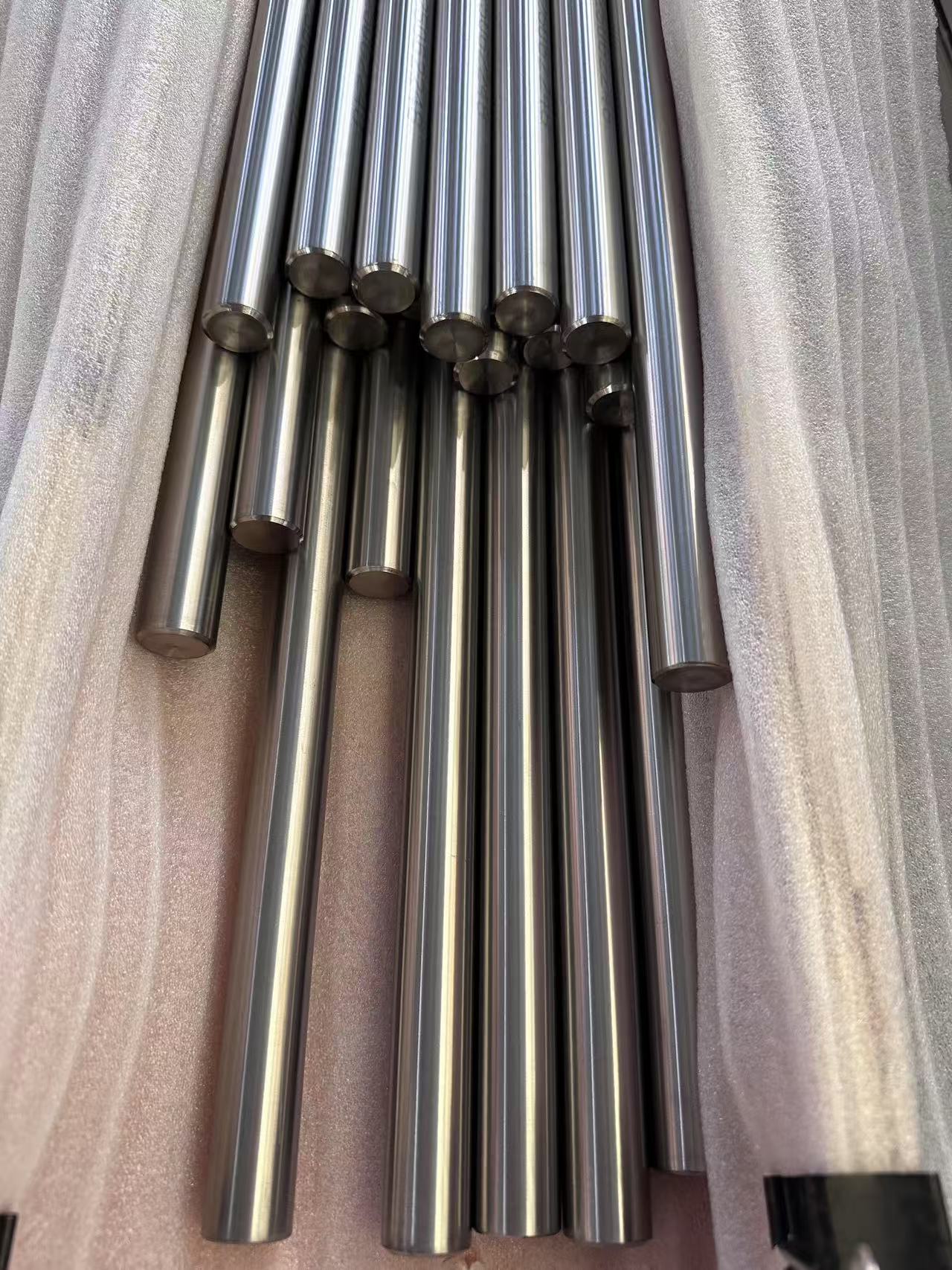
Cold rolled titanium bars are commonly used in applications where precision and surface quality are critical. Some typical uses include:
- Aerospace Components: Cold rolled bars are used in aircraft frames, landing gear, and engine components due to their high strength and lightweight properties. The aerospace industry demands materials that can withstand extreme conditions while maintaining structural integrity. The use of cold rolled titanium in these applications helps to reduce weight and improve fuel efficiency.
- Medical Implants: The biocompatibility of titanium makes it ideal for surgical implants and prosthetics. Cold rolled titanium bars are often used in orthopedic implants, dental fixtures, and cardiovascular devices, where reliability and safety are paramount. The smooth surface finish of cold rolled bars also minimizes the risk of infection and promotes better integration with biological tissues.
- Automotive Parts: Cold rolled titanium is used in high-performance automotive applications, such as exhaust systems and suspension components. The lightweight nature of titanium helps improve fuel efficiency and performance in racing and luxury vehicles. The ability to withstand high temperatures and corrosive environments makes cold rolled titanium an excellent choice for demanding automotive applications.
Hot rolled titanium bars are often used in applications where larger sizes and lower costs are more critical than precision. Common applications include:
- Structural Components: Hot rolled bars are used in construction and structural applications where exact dimensions are less critical. They are often employed in the fabrication of beams, columns, and other load-bearing structures. The cost-effectiveness of hot rolled titanium makes it an attractive option for large-scale construction projects.
- Marine Applications: The corrosion resistance of titanium makes it suitable for marine environments, where hot rolled bars are often used in shipbuilding. Components such as hulls, propellers, and fittings benefit from the durability and lightweight properties of titanium. The use of hot rolled titanium in marine applications helps to extend the lifespan of critical components exposed to harsh conditions.
- Industrial Equipment: Hot rolled titanium bars are used in various industrial applications, including chemical processing and oil and gas extraction. Their ability to withstand harsh environments and corrosive substances makes them a valuable material in these industries. The cost-effectiveness of hot rolled titanium allows manufacturers to produce large quantities of equipment without compromising on quality.
- Higher Strength: Cold rolled bars offer superior strength and hardness, making them suitable for demanding applications. The strain hardening process enhances the material's mechanical properties, allowing for the design of lighter and stronger components. This strength is particularly important in applications where safety and reliability are critical.
- Better Surface Finish: The smooth surface finish of cold rolled bars enhances their aesthetic appeal and reduces the need for additional finishing. This characteristic is particularly important in applications where appearance matters, such as in consumer products and medical devices. The improved surface quality also contributes to better performance in applications requiring low friction.
- Tighter Tolerances: Cold rolled bars can be produced with tighter tolerances, making them ideal for precision applications. This capability is essential in industries such as aerospace and medical, where even minor deviations can lead to significant issues. The ability to maintain tight tolerances helps ensure the reliability and performance of components in critical applications.
- Cost-Effective: Hot rolled bars are generally less expensive to produce, making them a cost-effective option for larger projects. The efficiency of the hot rolling process allows manufacturers to produce large quantities of material quickly. This cost advantage is particularly beneficial for projects with tight budgets or large-scale production requirements.
- Larger Sizes: The hot rolling process allows for the production of larger and thicker bars, which can be advantageous in certain applications. This capability is particularly useful in structural applications where size and strength are critical. The ability to produce larger sizes also opens up new possibilities for design and engineering.
- Improved Ductility: Hot rolled bars tend to have better ductility, making them easier to work with in fabrication processes. This property allows for greater flexibility in design and manufacturing, enabling the creation of complex shapes and components. The improved ductility of hot rolled titanium can also enhance its performance in applications requiring bending or forming.
In summary, the choice between hot rolled and cold rolled titanium round bars depends on the specific requirements of the application. Cold rolled bars offer higher strength, better surface finish, and tighter tolerances, making them ideal for precision applications. In contrast, hot rolled bars provide cost-effective solutions for larger projects where exact dimensions are less critical. Understanding the differences in production and properties of these two types of titanium round bars is essential for selecting the right material for your needs.
Cold rolled titanium bars generally exhibit higher tensile strength and hardness due to the strain hardening process, while hot rolled bars can achieve excellent overall performance when combined with heat treatment.
Hot rolling is typically more cost-effective for large-scale production due to its efficiency and ability to produce larger sizes, while cold rolling involves additional processing steps that can increase costs.
To maintain the surface finish of cold rolled titanium, it is recommended to use sharp cutting tools, appropriate cutting speeds, and coolant to reduce heat generation during machining.
Yes, cold rolled titanium bars are often used in medical applications due to their biocompatibility and high strength, making them suitable for implants and surgical instruments.
Titanium round bars are widely used in aerospace, medical, automotive, marine, and industrial applications due to their exceptional properties, including strength, corrosion resistance, and lightweight characteristics.


