

Views: 301 Author: Lasting Titanium Publish Time: 2026-01-11 Origin: Site


Content Menu
● The Unique Properties of Titanium Wire
>> High Strength-to-Weight Ratio
● Applications of Titanium Wire in Modern Manufacturing
● Innovations in Titanium Wire Manufacturing
>> Advanced Welding Techniques
>> Automation and AI Integration
● The Future of Titanium Wire in Manufacturing
>> Sustainability Considerations
Titanium wire is rapidly becoming a cornerstone of modern manufacturing, transforming various industries with its unique properties and applications. Known for its exceptional strength, lightweight nature, and corrosion resistance, titanium wire is being utilized in innovative ways that enhance production efficiency and product performance. This article explores the reasons why titanium wire is revolutionizing modern manufacturing, its applications across different sectors, and the future potential of this remarkable material.
One of the most significant advantages of titanium wire is its high strength-to-weight ratio. Titanium is stronger than steel but significantly lighter, making it an ideal choice for applications where weight savings are critical. This property is particularly beneficial in the aerospace industry, where reducing weight can lead to improved fuel efficiency and performance. Aircraft components made from titanium wire can withstand high stress while minimizing overall weight, contributing to better fuel economy and enhanced flight capabilities.
Titanium wire exhibits excellent corrosion resistance, making it suitable for use in harsh environments. The material forms a protective oxide layer that prevents further oxidation, allowing it to withstand exposure to saltwater, acids, and other corrosive substances. This property is especially valuable in marine applications, chemical processing, and medical devices, where exposure to corrosive elements is common. The longevity of titanium wire in these environments reduces maintenance costs and extends the lifespan of components.
In the medical field, titanium wire is favored for its biocompatibility. It is non-toxic and integrates well with human tissue, making it an ideal material for surgical implants, dental fixtures, and orthopedic devices. The ability of titanium to bond with bone tissue promotes healing and reduces the risk of rejection, making it a preferred choice for various medical applications. As the demand for advanced medical devices continues to grow, titanium wire's biocompatibility positions it as a critical material in healthcare innovation.
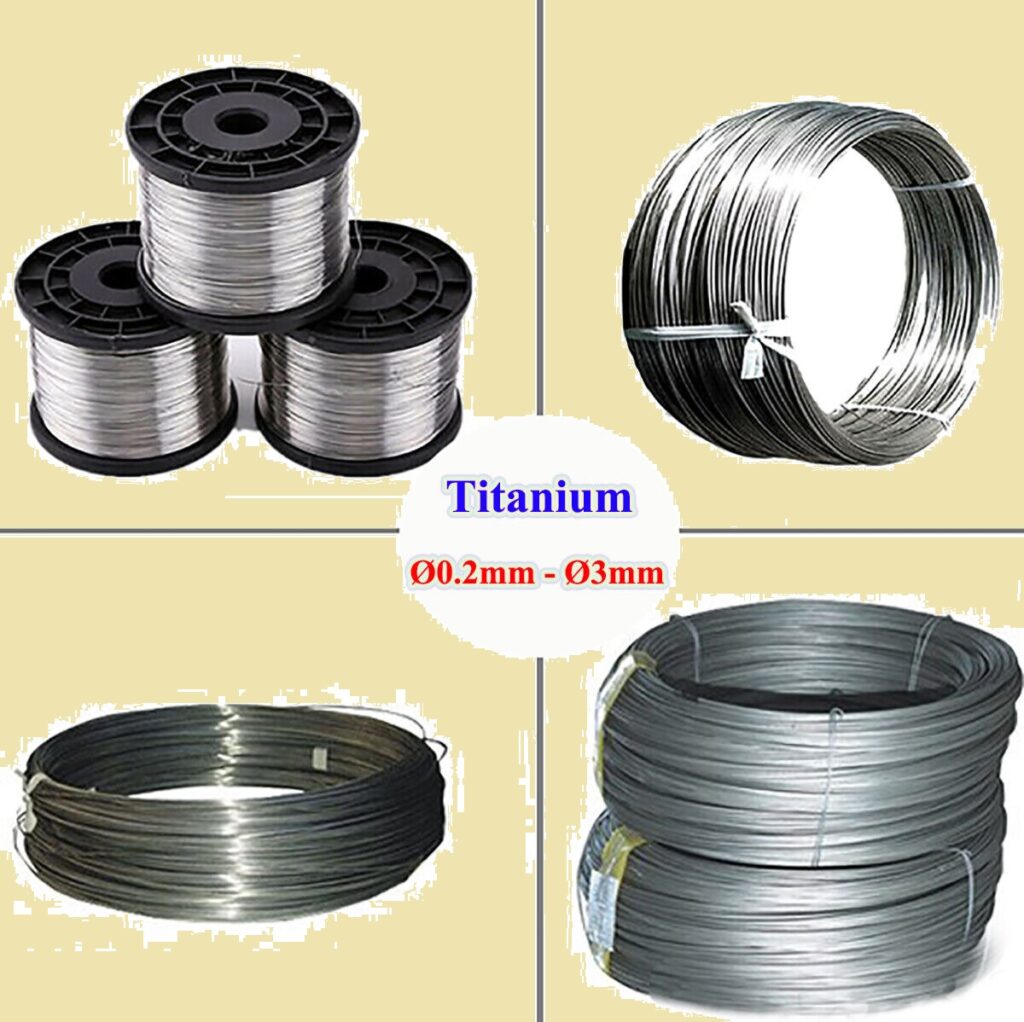
The aerospace industry is one of the primary sectors benefiting from the use of titanium wire. Components such as aircraft frames, engine parts, and landing gear require materials that can withstand extreme conditions while remaining lightweight. Titanium wire's strength and resistance to fatigue make it an ideal choice for these applications. Additionally, the ability to create complex geometries through additive manufacturing techniques allows for innovative designs that were previously unattainable with traditional materials.
In the medical field, titanium wire is used extensively for manufacturing implants, surgical instruments, and dental braces. Its biocompatibility and corrosion resistance make it suitable for long-term use within the human body. The customization capabilities of titanium wire also allow for the production of tailored medical devices that meet specific patient needs. As the healthcare industry continues to advance, the demand for titanium wire in medical applications is expected to grow significantly.
The automotive industry is increasingly adopting titanium wire to enhance vehicle performance and fuel efficiency. Components such as exhaust systems, springs, and suspension parts benefit from titanium's lightweight and durable properties. By incorporating titanium wire into automotive designs, manufacturers can reduce overall vehicle weight, leading to improved fuel economy and reduced emissions. The shift towards electric vehicles further emphasizes the need for lightweight materials, making titanium wire a valuable asset in modern automotive manufacturing.
Titanium wire is widely used in chemical processing applications due to its resistance to corrosive chemicals and high temperatures. It is ideal for constructing chemical reactors, heat exchangers, and desalination plants. The durability of titanium wire in these environments ensures the longevity of equipment and reduces the risk of failure, ultimately leading to cost savings for manufacturers.
In marine environments, titanium wire is employed for ship hulls, offshore oil rigs, and underwater pipelines. Its resistance to seawater corrosion and erosion makes it a reliable choice for components exposed to harsh marine conditions. The use of titanium wire in these applications enhances the durability and performance of marine structures, contributing to safer and more efficient operations.
Additive manufacturing, or 3D printing, is revolutionizing the way titanium wire and components are produced. This technology allows for the creation of complex, lightweight geometries that are impossible with traditional manufacturing methods. By using titanium wire in additive manufacturing, manufacturers can reduce material waste and shorten lead times. The ability to customize components for specific applications further enhances the versatility of titanium wire in modern manufacturing.
Innovations in welding techniques have also improved the use of titanium wire in manufacturing. Advanced welding processes, such as laser welding and electron beam welding, allow for precise and efficient joining of titanium components. These techniques minimize heat input, reducing the risk of distortion and maintaining the integrity of the material. As welding technology continues to evolve, the applications of titanium wire in fabrication will expand, leading to more efficient production processes.
The integration of automation and artificial intelligence (AI) into titanium wire production is streamlining manufacturing and quality control. AI-powered inspection systems can detect defects early, ensuring consistent quality and reducing waste. Process optimization through AI analyzes production data to improve efficiency and reduce costs. As automation becomes more prevalent in manufacturing, titanium wire production will benefit from increased throughput and precision.
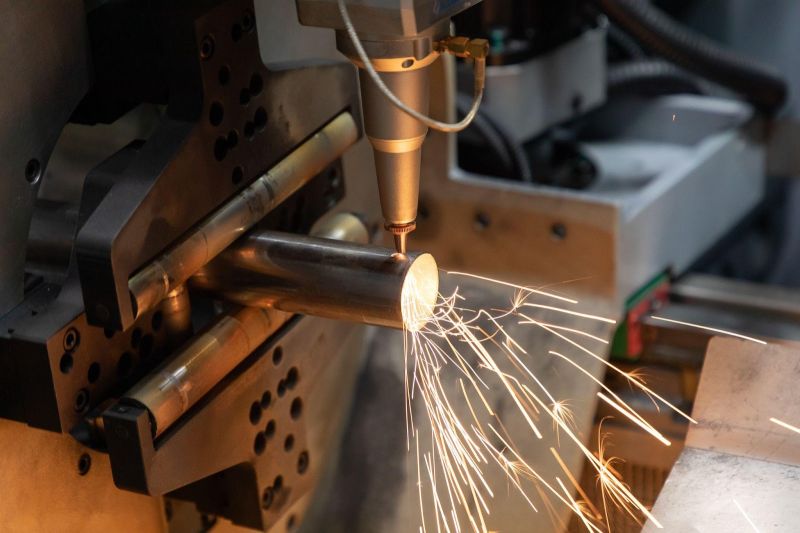
The future of titanium wire in manufacturing looks promising, with ongoing research and development aimed at overcoming current challenges and expanding its applications. Advances in manufacturing techniques, such as additive manufacturing, are opening new possibilities for the use of titanium wire. The demand for lightweight, high-strength materials in industries such as aerospace, automotive, and medical will continue to drive innovation in titanium wire production.
As industries face increasing environmental pressures, the sustainability of materials used in manufacturing is becoming a critical concern. Titanium wire's durability and resistance to corrosion contribute to its sustainability, as components made from titanium require less frequent replacement and maintenance. Additionally, the development of new titanium alloys and recycling methods will further enhance the environmental benefits of using titanium wire in manufacturing.
The future of titanium wire will also be shaped by collaborative innovation among manufacturers, researchers, and end-users. By working together, stakeholders can accelerate technological breakthroughs and develop new applications for titanium wire. This collaborative approach will ensure that titanium wire remains at the forefront of modern manufacturing, driving advancements across multiple sectors.
Titanium wire is revolutionizing modern manufacturing by offering unique properties and applications that enhance production efficiency and product performance. Its high strength-to-weight ratio, corrosion resistance, and biocompatibility make it an invaluable material in industries such as aerospace, medical, automotive, and chemical processing. As innovations in manufacturing techniques continue to evolve, the potential for titanium wire in modern manufacturing will only grow, paving the way for a more efficient and sustainable future.
1. What are the primary applications of titanium wire?
- Titanium wire is used in aerospace, medical devices, automotive manufacturing, chemical processing, and marine applications due to its unique properties.
2. How does titanium wire compare to traditional metal wires?
- Titanium wire offers superior strength, lightweight properties, and corrosion resistance compared to traditional metal wires, making it ideal for demanding applications.
3. What innovations are driving the use of titanium wire in manufacturing?
- Innovations such as additive manufacturing, advanced welding techniques, and automation are enhancing the production and application of titanium wire.
4. What are the sustainability benefits of using titanium wire?
- Titanium wire's durability and resistance to corrosion reduce the need for frequent replacements, contributing to lower maintenance costs and a smaller environmental footprint.
5. How can manufacturers ensure the quality of titanium wire?
- Manufacturers should source titanium wire from reputable suppliers, verify material specifications, and conduct quality inspections to ensure consistent performance.


