

Views: 360 Author: Lasting Titanium Publish Time: 2025-12-06 Origin: Site


Content Menu
● Understanding Titanium Forging
>> Types of Forging Techniques
>>> Open Die Forging
● Benefits of Advanced Forging Techniques
>> Improved Mechanical Properties
>> Enhanced Corrosion Resistance
● Challenges in Forging Titanium
>> High Processing Temperatures
>> Tool Wear
● Applications of Forged Titanium Tubes
● Future Trends in Titanium Forging
>> Additive Manufacturing Integration
>> Enhanced Simulation and Modeling
>> 1. What are the main advantages of forging titanium tubes?
>> 2. How does the forging process affect the grain structure of titanium?
>> 3. What challenges are associated with forging titanium?
>> 4. In which industries are forged titanium tubes commonly used?
>> 5. What future trends are expected in titanium forging?
Titanium is a material renowned for its exceptional strength-to-weight ratio, corrosion resistance, and biocompatibility, making it a preferred choice in various industries, including aerospace, medical, and automotive. The performance of titanium tubes, which are critical components in many applications, can be significantly enhanced through advanced forging techniques. This article explores the impact of these techniques on the performance of titanium tubes, detailing the processes involved, the benefits gained, and the challenges faced in the forging of titanium.
Forging is a manufacturing process that involves shaping metal using localized compressive forces. This process can be performed hot or cold, with hot forging being the most common method for titanium due to its high strength and low ductility at room temperature. The forging process refines the grain structure of the titanium, resulting in improved mechanical properties, including strength, toughness, and fatigue resistance.
The forging of titanium is particularly important because of the material's unique characteristics. Titanium has a high melting point and is prone to oxidation at elevated temperatures, which necessitates careful control during the forging process. The ability to manipulate the material at high temperatures allows manufacturers to achieve desired shapes and properties while minimizing defects.
There are several advanced forging techniques used in the production of titanium tubes, each with its unique advantages:
In open die forging, the titanium is placed between two flat dies, which compress the material to shape it. This method allows for the production of large components and is particularly useful for creating complex shapes. However, it requires significant force and is less precise than other methods. Open die forging is often used for initial shaping and can be followed by other processes to achieve final dimensions.
The flexibility of open die forging makes it suitable for a variety of applications, from large structural components to smaller, intricate parts. The process can accommodate various sizes and shapes, making it a versatile option in the manufacturing of titanium products. However, the trade-off is that it may not achieve the same level of precision as closed die forging, which can lead to increased machining requirements later in the production process.
Closed die forging involves the use of shaped dies that enclose the material, allowing for more precise control over the final dimensions and shape of the titanium tube. This method is ideal for producing high-volume parts with consistent quality. The closed die process minimizes material waste and allows for tighter tolerances, which is essential in applications where precision is critical.
The closed die forging process is particularly advantageous for producing components that require high strength and durability. The confinement of the material within the dies during forging helps to refine the grain structure, resulting in improved mechanical properties. This method is commonly used in industries such as aerospace and automotive, where the performance of components is paramount.
Isothermal forging is a technique where both the workpiece and the dies are maintained at high temperatures throughout the forging process. This method reduces the stress on the material, allowing for better flow and improved mechanical properties. It is particularly beneficial for titanium, which can be challenging to forge at lower temperatures.
By maintaining a consistent temperature, isothermal forging minimizes the risk of defects such as cracking and allows for more complex shapes to be formed. This technique is gaining popularity in the aerospace industry, where the demand for lightweight yet strong components is ever-increasing. The ability to produce high-quality titanium parts with intricate geometries makes isothermal forging a valuable addition to the manufacturing landscape.
The application of advanced forging techniques to titanium tubes offers numerous benefits that enhance their performance in various applications.
One of the primary advantages of forging titanium is the improvement in mechanical properties. The forging process aligns the grain structure of the titanium, resulting in increased strength and toughness. Forged titanium tubes exhibit higher tensile strength and fatigue resistance compared to those produced through casting or machining.
The enhanced mechanical properties of forged titanium are critical in applications where components are subjected to high stresses and fatigue cycles. For instance, in aerospace applications, the ability to withstand extreme conditions while maintaining structural integrity is essential. The refined grain structure achieved through forging contributes to the overall reliability and performance of titanium tubes in demanding environments.
The forging process can also enhance the corrosion resistance of titanium tubes. By refining the grain structure and reducing the presence of defects, forged titanium exhibits a more uniform surface, which is less susceptible to corrosion. This is particularly important in applications where the tubes are exposed to harsh environments, such as in marine or chemical processing industries.
Titanium is naturally resistant to corrosion due to the formation of a protective oxide layer on its surface. However, the forging process can further improve this property by ensuring that the oxide layer is intact and uniform. This enhanced corrosion resistance is a significant advantage in industries where the longevity and reliability of components are critical.
Titanium is already a lightweight material, but advanced forging techniques can further reduce the weight of titanium tubes without compromising their strength. This is crucial in industries like aerospace, where reducing weight can lead to significant fuel savings and improved performance.
The ability to produce lightweight components without sacrificing strength is a key driver in the aerospace industry. Forged titanium tubes can be designed to meet specific weight requirements while maintaining the necessary mechanical properties. This weight reduction contributes to overall efficiency and performance, making forged titanium an attractive option for manufacturers.
While the initial costs of forging titanium can be higher than other manufacturing methods, the long-term benefits often outweigh these costs. Forged titanium tubes typically require less machining and finishing, leading to lower overall production costs. Additionally, the enhanced performance and durability of forged components can result in reduced maintenance and replacement costs over time.
The cost-effectiveness of forged titanium is particularly evident in high-volume production scenarios. The ability to produce consistent, high-quality components with minimal waste and reduced machining requirements translates to significant savings for manufacturers. As industries continue to seek ways to optimize production processes, the advantages of forging titanium will become increasingly apparent.
Despite the numerous benefits, forging titanium also presents several challenges that manufacturers must address.
Titanium requires high temperatures for effective forging, which can lead to increased energy consumption and operational costs. Maintaining the appropriate temperature throughout the forging process is critical to achieving the desired mechanical properties.
The high processing temperatures necessary for titanium forging can pose challenges in terms of energy efficiency and equipment wear. Manufacturers must invest in advanced heating technologies and insulation to minimize energy loss during the forging process. Additionally, the need for precise temperature control requires sophisticated monitoring systems to ensure consistent results.
The hardness of titanium can lead to increased wear on forging tools, necessitating the use of specialized materials and coatings to extend tool life. Manufacturers must invest in high-quality tooling to ensure consistent production quality and minimize downtime.
Tool wear is a significant concern in the forging of titanium, as the material's properties can lead to rapid degradation of standard tooling. To combat this issue, manufacturers often employ advanced coatings and materials designed to withstand the harsh conditions of titanium forging. Regular maintenance and monitoring of tooling are essential to ensure optimal performance and reduce the risk of production delays.
Producing titanium tubes with complex geometries can be challenging due to the material's properties. Advanced forging techniques must be carefully controlled to ensure that the final product meets the required specifications without defects.
The complexity of geometries in titanium forging requires skilled operators and advanced equipment capable of handling intricate designs. Manufacturers must invest in training and technology to ensure that their processes can accommodate the demands of modern engineering. The ability to produce complex shapes is a significant advantage of advanced forging techniques, but it requires careful planning and execution to achieve the desired results.
Forged titanium tubes are used in a wide range of applications across various industries, thanks to their superior performance characteristics.
In the aerospace sector, forged titanium tubes are used in critical components such as engine parts, landing gear, and structural elements. The lightweight and high-strength properties of forged titanium make it an ideal choice for reducing the overall weight of aircraft while maintaining structural integrity.
The aerospace industry demands materials that can withstand extreme conditions, including high temperatures and pressures. Forged titanium tubes meet these requirements, providing reliable performance in critical applications. The ability to produce lightweight components without sacrificing strength is essential for improving fuel efficiency and overall aircraft performance.

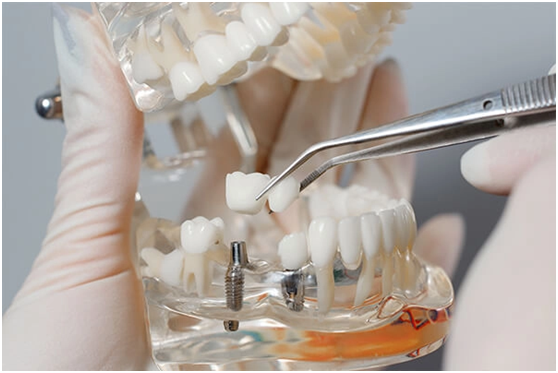
The medical industry utilizes forged titanium tubes in implants and surgical instruments due to their biocompatibility and corrosion resistance. The ability to produce precise and strong components is essential for ensuring the safety and effectiveness of medical devices.
Forged titanium is particularly advantageous in medical applications, where the material's properties contribute to improved patient outcomes. The use of forged titanium tubes in implants ensures that they can withstand the stresses of the human body while minimizing the risk of rejection. Additionally, the corrosion resistance of titanium is crucial in medical environments, where exposure to bodily fluids can lead to degradation of other materials.
In the automotive industry, forged titanium tubes are increasingly being used in high-performance vehicles. Their lightweight nature contributes to improved fuel efficiency and performance, making them a popular choice for manufacturers looking to enhance their vehicles' capabilities.
The automotive sector is continually seeking ways to improve performance while reducing weight. Forged titanium tubes offer a solution by providing high strength in a lightweight package. This is particularly important in high-performance applications, where every ounce counts. The use of forged titanium components can lead to significant improvements in acceleration, handling, and overall vehicle dynamics.
As technology continues to advance, the forging of titanium is expected to evolve further. Innovations in manufacturing processes, materials, and techniques will likely lead to even greater improvements in the performance of titanium tubes.
The integration of additive manufacturing with traditional forging techniques is an emerging trend that could revolutionize the production of titanium components. By combining these methods, manufacturers can create complex geometries that were previously difficult to achieve with forging alone.
Additive manufacturing allows for the creation of intricate designs that can be integrated into forged components, enhancing their performance and functionality. This hybrid approach can lead to significant advancements in the design and production of titanium tubes, enabling manufacturers to meet the demands of modern engineering.
Advancements in computer simulations and modeling techniques are enabling manufacturers to optimize the forging process. By accurately predicting material behavior during forging, manufacturers can reduce trial-and-error and improve overall efficiency.
The use of advanced simulation tools allows for better planning and execution of forging processes, leading to improved quality and reduced waste. Manufacturers can simulate various forging scenarios to identify the optimal parameters for achieving desired mechanical properties, ultimately enhancing the performance of titanium tubes.
As industries increasingly focus on sustainability, the forging of titanium will likely incorporate more environmentally friendly practices. This includes reducing energy consumption during the forging process and utilizing recycled materials whenever possible.
Sustainability is becoming a critical consideration in manufacturing, and the forging of titanium is no exception. Manufacturers are exploring ways to minimize their environmental impact by implementing energy-efficient practices and sourcing materials responsibly. The use of recycled titanium can significantly reduce the carbon footprint associated with titanium production, making it a more sustainable option for manufacturers.
The impact of advanced forging techniques on the performance of titanium tubes is profound. By improving mechanical properties, enhancing corrosion resistance, and reducing weight, these techniques play a crucial role in the production of high-quality titanium components. Despite the challenges associated with forging titanium, the benefits far outweigh the drawbacks, making it a preferred method for manufacturing titanium tubes in various industries. As technology continues to advance, the future of titanium forging looks promising, with innovations that will further enhance the performance and applications of this remarkable material.
Forging titanium tubes offers improved mechanical properties, enhanced corrosion resistance, weight reduction, and cost-effectiveness.
The forging process aligns and refines the grain structure of titanium, resulting in increased strength and toughness.
Challenges include high processing temperatures, tool wear, and the difficulty of producing complex geometries.
Forged titanium tubes are commonly used in aerospace, medical devices, and automotive applications.
Future trends include the integration of additive manufacturing, enhanced simulation and modeling techniques, and a focus on sustainable practices.


