

Views: 410 Author: Lasting Titanium Publish Time: 2025-12-12 Origin: Site


Content Menu
● Understanding Titanium Pipe Fittings
>> What Are Titanium Pipe Fittings?
>> Applications of Titanium Pipe Fittings
● Steps to Order Custom Titanium Pipe Fittings
>> Step 1: Define Your Requirements
● Customization Options for Titanium Pipe Fittings
>> Size and Shape Customization
● Quality Assurance and Testing
>> Importance of Quality Control
● Delivery and Installation Considerations
Titanium pipe fittings are essential components in various industries, including aerospace, chemical processing, and marine applications. Their unique properties, such as high strength-to-weight ratio, corrosion resistance, and biocompatibility, make them ideal for specialized applications. This article will guide you through the process of ordering custom titanium pipe fittings, ensuring you understand the necessary steps, considerations, and options available.
Titanium pipe fittings are used to connect, redirect, or terminate piping systems. They come in various shapes, including elbows, tees, reducers, and flanges. The choice of titanium as a material is often due to its excellent mechanical properties and resistance to corrosion, especially in harsh environments. Titanium fittings are not only lightweight but also possess a high tensile strength, making them suitable for high-pressure applications. Their ability to withstand extreme temperatures and corrosive substances makes them a preferred choice in industries where reliability and durability are paramount.
Titanium fittings are widely used in several critical sectors:
- Aerospace: In the aerospace industry, titanium fittings are crucial for fuel and hydraulic systems. Their lightweight nature contributes to overall fuel efficiency, while their strength ensures safety and reliability in high-stress environments.
- Chemical Processing: In chemical processing, titanium's resistance to corrosion is invaluable. It is often used in environments where aggressive chemicals are present, ensuring longevity and reducing maintenance costs.
- Marine: For marine applications, titanium fittings are ideal due to their resistance to seawater corrosion. This property is essential for components used in shipbuilding and offshore oil rigs, where exposure to harsh marine conditions is constant.
- Medical: In the medical field, titanium's biocompatibility makes it suitable for implants and surgical instruments. Its non-reactive nature ensures that it does not cause adverse reactions in the human body, making it a safe choice for medical applications.
Ordering custom titanium pipe fittings involves several steps. Here's a detailed breakdown:
Before reaching out to suppliers, clearly define your requirements. This initial step is crucial as it sets the foundation for your order and ensures that you receive the correct products.
- Type of Fitting: Determine whether you need elbows, tees, reducers, or flanges. Each type serves a specific purpose in a piping system, and understanding your needs will help you communicate effectively with suppliers.
- Size and Dimensions: Specify the diameter, wall thickness, and any other dimensional requirements. Accurate measurements are essential to ensure a proper fit within your existing systems.
- Material Grade: Choose the appropriate titanium grade (e.g., Grade 2, Grade 5) based on your application needs. Different grades offer varying levels of strength, corrosion resistance, and weldability, so selecting the right one is critical for performance.
Finding the right supplier is crucial. Consider the following factors to ensure you partner with a reputable manufacturer:
- Experience and Reputation: Look for suppliers with a proven track record in manufacturing titanium fittings. Established companies often have the expertise and resources to meet your needs effectively.
- Customization Capabilities: Ensure they can meet your specific requirements. Not all suppliers offer the same level of customization, so it's important to find one that can accommodate your unique specifications.
- Quality Assurance: Check for certifications and quality control processes. Suppliers that adhere to industry standards and have robust quality assurance measures in place are more likely to deliver reliable products.
Once you have a list of potential suppliers, request quotes. Providing detailed specifications will help suppliers give you accurate pricing and lead times. When requesting quotes, consider including:
- Detailed Specifications: Include all relevant information about the fittings you need, such as dimensions, material grade, and any special requirements.
- Quantity: Specify how many fittings you require. Bulk orders may qualify for discounts, so it's worth discussing your needs with suppliers.
- Delivery Requirements: Indicate any specific delivery timelines you have. This information will help suppliers assess their ability to meet your schedule.
After receiving quotes, compare them based on several criteria:
- Price: Ensure it fits within your budget. While cost is important, it should not be the only factor in your decision-making process.
- Lead Time: Consider how quickly you need the fittings. Some suppliers may offer faster turnaround times than others, which could be crucial for your project.
- Shipping Options: Look for suppliers that offer reliable shipping methods. Understanding the shipping process and costs involved will help you plan your budget more effectively.
After selecting a supplier, place your order. Ensure you confirm all details, including:
- Specifications: Double-check the dimensions and material grade to avoid any misunderstandings.
- Payment Terms: Understand the payment process and terms. Clarifying payment methods and schedules upfront can prevent issues later on.
- Delivery Schedule: Confirm the expected delivery date. Having a clear timeline will help you manage your project effectively.
Titanium fittings can be made from various grades, each offering different properties. Understanding these grades will help you select the right material for your application:
- Grade 2: This is commercially pure titanium, known for its excellent corrosion resistance and weldability. It is suitable for most applications where strength and weight are considerations.
- Grade 5: Also known as Ti-6Al-4V, this titanium alloy is known for its high strength and low weight. It is often used in aerospace and high-performance applications where additional strength is required.
Most suppliers offer customization in size and shape. You can request:
- Non-standard Sizes: If your application requires specific dimensions that are not commonly available, many manufacturers can accommodate these requests.
- Unique Shapes: Custom designs to fit specific piping layouts can be created. This flexibility allows for more efficient system designs and can help reduce installation time.
Surface finishing can enhance the performance of titanium fittings. Options include:
- Polished: A polished finish not only improves the aesthetic appeal of the fittings but also reduces friction, which can be beneficial in certain applications.
- Anodized: Anodizing can improve corrosion resistance and surface hardness, making the fittings more durable in harsh environments.
Quality assurance is critical in the manufacturing of titanium fittings. Ensure your supplier follows strict quality control measures, including:
- Material Testing: Verify the chemical composition of the titanium to ensure it meets the specified grade. This testing is essential for maintaining the integrity of the fittings.
- Dimensional Inspection: Ensure all fittings meet specified dimensions. Accurate measurements are crucial for proper installation and functionality.
- Non-Destructive Testing: Techniques like X-ray or ultrasonic testing can detect internal flaws without damaging the fittings, ensuring their reliability.
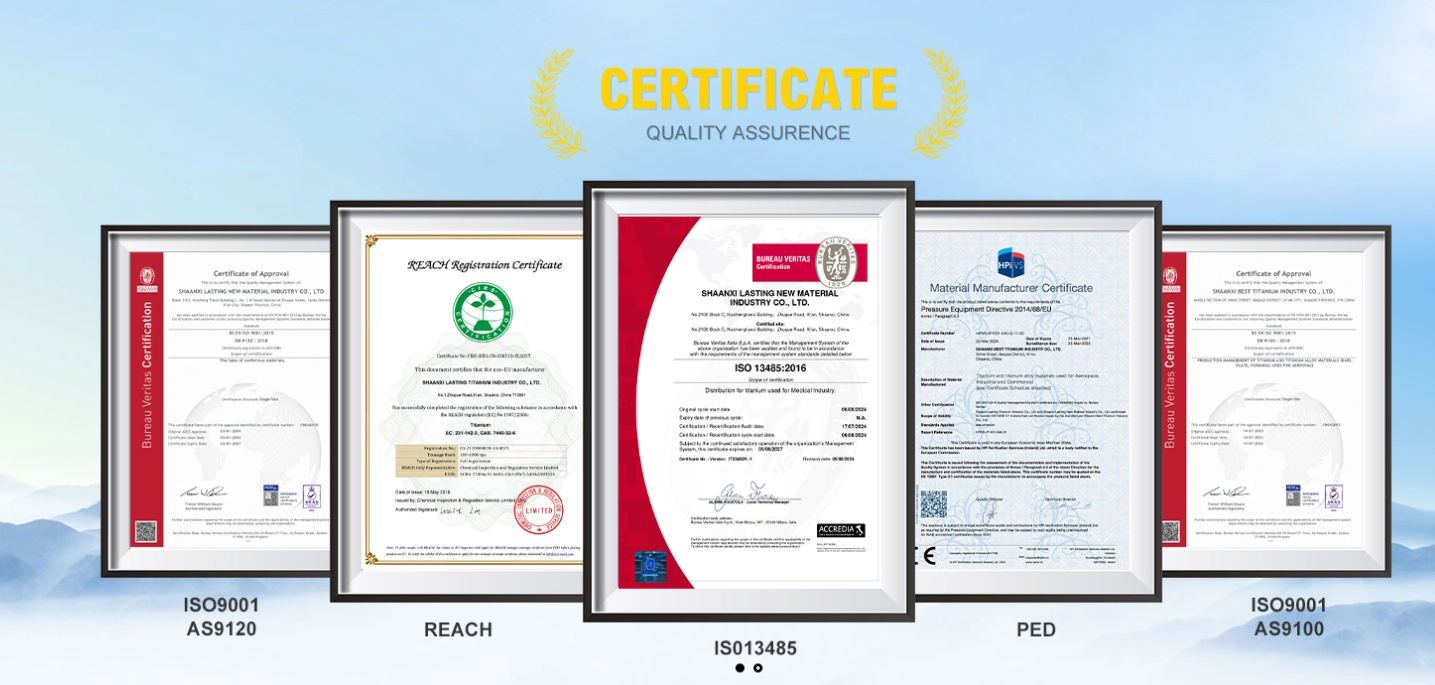
When selecting a supplier, check for relevant certifications, such as:
- ISO 9001: Indicates a quality management system that meets international standards.
- ASME: Compliance with American Society of Mechanical Engineers standards ensures that the fittings are manufactured to high-quality specifications.
Discuss shipping options with your supplier. Consider:
- Domestic vs. International Shipping: Depending on your location, shipping costs and times may vary significantly. Understanding these factors will help you plan accordingly.
- Shipping Time: Ensure it aligns with your project timeline. Delays in shipping can impact your overall project schedule, so it's important to have a clear understanding of expected delivery dates.
Once you receive your fittings, follow proper installation guidelines to ensure optimal performance. This may include:
- Proper Alignment: Ensure fittings are aligned correctly to prevent leaks. Misalignment can lead to significant issues in piping systems, including pressure loss and potential failures.
- Torque Specifications: Follow manufacturer recommendations for tightening. Using the correct torque settings is essential for ensuring a secure and leak-free connection.
Ordering custom titanium pipe fittings requires careful planning and consideration. By understanding your requirements, researching suppliers, and ensuring quality control, you can successfully procure the fittings needed for your specialized applications. The process may seem complex, but with the right approach, you can navigate it effectively and ensure that your project is a success.
1. What are the benefits of using titanium pipe fittings?
Titanium fittings offer high strength, low weight, and excellent corrosion resistance, making them ideal for demanding applications. Their durability ensures long-term performance, reducing the need for frequent replacements.
2. How do I choose the right titanium grade for my application?
Consider the environment and mechanical requirements of your application. Grade 2 is suitable for most applications, while Grade 5 is better for high-stress environments where additional strength is necessary.
3. Can I order non-standard sizes of titanium fittings?
Yes, many suppliers offer customization options for non-standard sizes and shapes. This flexibility allows you to tailor the fittings to your specific system requirements.
4. What quality control measures should I expect from suppliers?
Look for suppliers that conduct material testing, dimensional inspections, and non-destructive testing. These measures ensure that the fittings meet the required specifications and are free from defects.
5. How long does it typically take to receive custom titanium fittings?
Lead times vary by supplier and order complexity, but it generally ranges from a few weeks to several months. Discussing your timeline with suppliers can help you manage expectations.


