

Views: 380 Author: Lasting Titanium Publish Time: 2025-12-09 Origin: Site


Content Menu
● Understanding Flow Efficiency in Pipeline Systems
● Advantages of Titanium Pipe Fittings
● Enhancing Flow Efficiency in Specific Applications
● Innovations in Titanium Fitting Design
>> Q1: What are the main benefits of using titanium pipe fittings?
>> Q2: How do titanium fittings compare to traditional materials like steel?
>> Q3: In which industries are titanium pipe fittings commonly used?
>> Q4: What impact do titanium fittings have on energy consumption?
>> Q5: Are titanium pipe fittings customizable?
Titanium pipe fittings have emerged as a crucial component in modern pipeline systems, significantly enhancing flow efficiency across various industries. Known for their exceptional strength, lightweight properties, and corrosion resistance, titanium fittings are increasingly being utilized in applications ranging from oil and gas to chemical processing and aerospace. This article delves into the various ways titanium pipe fittings improve flow efficiency, the benefits they offer, and their applications in different sectors.
Titanium is a metal that has gained popularity in industrial applications due to its unique combination of properties. It is not only strong and lightweight but also resistant to corrosion and high temperatures. These characteristics make titanium an ideal choice for pipe fittings, which are essential for connecting, redirecting, and controlling the flow of fluids in piping systems. As industries continue to evolve and demand more efficient and reliable solutions, titanium fittings are becoming a preferred option for engineers and designers.
Flow efficiency refers to the ability of a pipeline system to transport fluids with minimal resistance and energy loss. Several factors influence flow efficiency, including the material of the pipes and fittings, the design of the system, and the characteristics of the fluids being transported.
The choice of material for pipe fittings is critical in determining the overall efficiency of a pipeline system. Traditional materials like steel and plastic have been widely used, but they often come with limitations such as susceptibility to corrosion, weight issues, and lower strength. Titanium, on the other hand, offers a unique combination of properties that make it an ideal choice for enhancing flow efficiency.
Titanium's high strength-to-weight ratio allows for the construction of thinner-walled fittings without compromising structural integrity. This not only reduces the overall weight of the piping system but also minimizes the amount of material required, leading to cost savings in both production and transportation. Additionally, titanium's resistance to corrosion ensures that the fittings maintain their performance over time, reducing the need for frequent replacements and maintenance.
One of the most significant advantages of titanium pipe fittings is their lightweight nature. Titanium is approximately 45% lighter than steel, which reduces the overall weight of the piping system. This reduction in weight leads to several benefits:
- Easier Handling and Installation: The lightweight nature of titanium fittings makes them easier to handle and install, reducing labor costs and installation time. In large-scale projects, this can translate to significant savings in both time and money, as crews can work more efficiently with lighter materials.
- Reduced Structural Load: Lighter fittings decrease the load on supporting structures, allowing for more flexible design options and potentially lowering construction costs. This is particularly important in applications where weight is a critical factor, such as in aerospace and automotive industries, where every ounce counts.
Titanium is renowned for its exceptional resistance to corrosion, particularly in harsh environments. This property is crucial for maintaining flow efficiency, as corrosion can lead to rough internal surfaces, which increase friction and reduce flow rates.
- Longevity: The corrosion resistance of titanium fittings ensures a longer lifespan, reducing the need for frequent replacements and maintenance. In industries where downtime can be costly, such as oil and gas, the durability of titanium fittings can lead to significant operational savings.
- Consistent Performance: By preventing corrosion-related issues, titanium fittings maintain consistent flow characteristics over time, enhancing the overall efficiency of the system. This reliability is essential in critical applications where any failure can result in significant financial losses or safety hazards.
Titanium fittings can be manufactured with exceptionally smooth internal surfaces. This smoothness is vital for reducing turbulence and friction within the pipeline, which directly impacts flow efficiency.
- Reduced Turbulence: Smooth surfaces minimize the disturbances in fluid flow, allowing for a more streamlined passage of liquids and gases. This is particularly important in high-velocity applications where turbulence can lead to increased pressure drops and energy losses.
- Lower Energy Consumption: By reducing friction, titanium fittings can lead to lower energy consumption in pumps and compressors, resulting in cost savings for operators. In many cases, the energy savings achieved through improved flow efficiency can offset the initial investment in titanium fittings over time.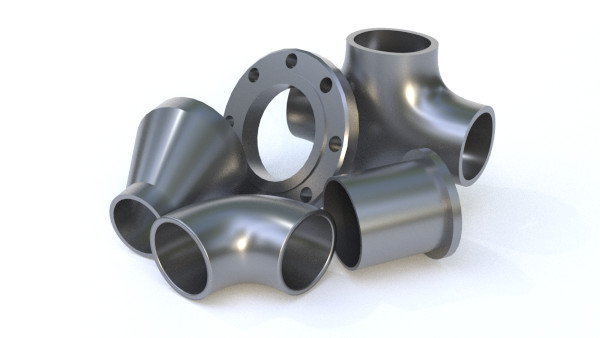
In the oil and gas sector, titanium pipe fittings are increasingly being used due to their ability to withstand high pressures and corrosive environments.
- High-Pressure Applications: Titanium's strength allows it to perform reliably in high-pressure systems, ensuring that fluids can be transported efficiently without leaks or failures. This is particularly critical in offshore drilling operations, where the integrity of the piping system is paramount.
- Erosion Resistance: The oil and gas industry often deals with abrasive materials. Titanium's resistance to erosion ensures that fittings maintain their integrity and performance over time. This durability is essential for maintaining flow rates and preventing costly downtime due to equipment failures.
Chemical processing facilities benefit significantly from the use of titanium pipe fittings. The ability to handle aggressive chemicals without corroding makes titanium an ideal choice.
- Safety and Reliability: The durability of titanium fittings ensures that chemical processes can be conducted safely, minimizing the risk of leaks and spills. In industries where hazardous materials are handled, the reliability of the piping system is critical for protecting both workers and the environment.
- Improved Flow Characteristics: The smooth internal surfaces of titanium fittings enhance the flow of chemicals, improving the efficiency of processing operations. This can lead to faster production times and reduced operational costs, making titanium fittings a smart investment for chemical manufacturers.
In aerospace, weight savings are critical. Titanium fittings provide the necessary strength while significantly reducing weight, which is essential for fuel efficiency.
- Fuel Efficiency: By using lighter materials, aircraft can achieve better fuel efficiency, which is a significant consideration in the aerospace industry. The reduction in weight not only improves performance but also allows for greater payload capacities.
- High-Temperature Performance: Titanium maintains its strength and performance at elevated temperatures, making it suitable for various aerospace applications. This capability is essential for components that operate in extreme conditions, such as engine parts and fuel systems.
The manufacturing processes for titanium fittings have evolved significantly, allowing for more precise and efficient production methods.
- CNC Machining: Computer Numerical Control (CNC) machining enables the production of complex geometries with high precision, ensuring that fittings meet exact specifications. This technology allows manufacturers to create custom fittings that optimize flow paths and enhance overall system performance.
- Forging and Welding: Advanced forging techniques enhance the mechanical properties of titanium, while skilled welding ensures strong, leak-proof joints. The combination of these methods results in fittings that can withstand the rigors of demanding applications.
Many manufacturers now offer customizable titanium fittings to meet specific application requirements. This flexibility allows for tailored solutions that enhance flow efficiency.
- Tailored Designs: Custom fittings can be designed to optimize flow paths, further reducing resistance and improving overall system performance. This adaptability is particularly beneficial in industries where unique challenges must be addressed.
- Adaptability: The ability to customize fittings ensures that they can be integrated seamlessly into existing systems, enhancing their effectiveness. This is especially important in retrofitting projects where compatibility with existing infrastructure is crucial.
While titanium fittings may have a higher initial cost compared to traditional materials, their long-term benefits often outweigh these costs.
- Reduced Maintenance Costs: The durability and corrosion resistance of titanium fittings lead to lower maintenance requirements. With a longer lifespan, titanium fittings reduce the frequency of replacements, leading to significant cost savings over time. In industries where downtime can be costly, such as oil and gas, the durability of titanium fittings can lead to substantial operational savings.
- Lower Downtime: Reduced maintenance needs mean less downtime for repairs, allowing for more efficient operations. This reliability is essential for maintaining productivity and profitability in competitive markets.
The enhanced flow efficiency provided by titanium fittings can lead to lower energy consumption in pumping systems.
- Operational Cost Savings: By reducing the energy required to move fluids through the system, operators can achieve substantial savings on energy costs. In many cases, the energy savings achieved through improved flow efficiency can offset the initial investment in titanium fittings over time.
- Sustainability: Lower energy consumption contributes to a more sustainable operation, aligning with modern environmental goals. As industries strive to reduce their carbon footprint, the use of energy-efficient materials like titanium becomes increasingly important.
Titanium pipe fittings play a vital role in enhancing flow efficiency in pipeline systems across various industries. Their lightweight nature, corrosion resistance, and ability to maintain smooth internal surfaces make them an ideal choice for applications where performance and reliability are paramount. As industries continue to seek ways to improve efficiency and reduce costs, the adoption of titanium fittings is likely to increase, solidifying their position as a key component in modern pipeline systems.
In summary, the advantages of titanium pipe fittings extend beyond mere performance enhancements. They offer long-term cost savings, improved safety, and environmental benefits, making them a smart choice for any industry looking to optimize its operations. As technology advances and the demand for efficient solutions grows, titanium fittings will undoubtedly play a crucial role in the future of pipeline systems.
A1: Titanium pipe fittings offer lightweight construction, corrosion resistance, smooth internal surfaces for reduced turbulence, and enhanced flow efficiency, making them ideal for various applications.
A2: Titanium fittings are lighter, more corrosion-resistant, and maintain their strength at high temperatures, making them superior in many applications compared to traditional steel fittings.
A3: Titanium pipe fittings are commonly used in the oil and gas, chemical processing, aerospace, and marine industries due to their durability and performance.
A4: By reducing friction and turbulence in fluid flow, titanium fittings can lead to lower energy consumption in pumps and compressors, resulting in cost savings.
A5: Yes, many manufacturers offer customizable titanium fittings to meet specific application requirements, allowing for tailored solutions that enhance flow efficiency.


