

Views: 360 Author: Lasting Titanium Publish Time: 2026-01-10 Origin: Site


Content Menu
>> Properties of Titanium Wire
>> 1. Not Understanding the Different Grades of Titanium
>> 2. Ignoring Supplier Reputation
>> 3. Overlooking Material Specifications
>> 4. Failing to Consider the Application
>> 5. Neglecting Proper Storage and Handling
>> 6. Not Evaluating Cost vs. Quality
>> 7. Ignoring Machining and Fabrication Considerations
>> 8. Failing to Request Samples
>> 9. Not Considering Long-Term Performance
Purchasing titanium wire can be a complex process, especially for those who are new to the material or its applications. Titanium is known for its exceptional strength, lightweight properties, and corrosion resistance, making it a popular choice in various industries, including aerospace, medical, and automotive. However, there are common mistakes that buyers often make, which can lead to suboptimal performance and increased costs. This article will explore these mistakes in detail and provide guidance on how to avoid them.
Before diving into the common mistakes, it is essential to understand what titanium wire is and its various applications. Titanium wire is a high-strength, low-density metal wire that is used in a wide range of applications due to its unique properties. It is available in different grades, each with specific characteristics that make it suitable for various uses.
Titanium wire exhibits several key properties that make it suitable for various applications:
- High Strength-to-Weight Ratio: Titanium wire is significantly stronger than steel while being much lighter. This property is particularly beneficial in aerospace applications where weight savings are critical. The ability to reduce weight without sacrificing strength can lead to improved fuel efficiency and performance in aircraft and spacecraft.
- Corrosion Resistance: Titanium is highly resistant to corrosion, making it ideal for use in harsh environments, such as marine applications or chemical processing. This resistance is due to the formation of a protective oxide layer on the surface of the titanium, which prevents further oxidation and degradation.
- Biocompatibility: Titanium is non-toxic and compatible with human tissue, making it suitable for medical implants and devices. Its biocompatibility is crucial in applications such as orthopedic implants, dental fixtures, and surgical instruments, where it must interact safely with the body.
- Low Thermal Conductivity: This property allows titanium wire to maintain its integrity in high-temperature applications. The low thermal conductivity helps prevent overheating during processes such as welding or machining, which can lead to material failure.

One of the most significant mistakes buyers make is not understanding the different grades of titanium wire. Each grade has unique properties that make it suitable for specific applications. For example, Grade 1 titanium is highly ductile and corrosion-resistant, making it ideal for chemical processing. In contrast, Grade 5 titanium, which is an alloy, offers higher strength and is often used in aerospace applications. Understanding these differences is crucial for selecting the right material for your specific needs.
When purchasing titanium wire, it is crucial to source from reputable suppliers. A common mistake is choosing a supplier based solely on price. While cost is an important factor, the quality of the material and the supplier's reliability should also be considered. Look for suppliers that provide detailed specifications, certifications, and a history of quality assurance. A reputable supplier will have a track record of delivering high-quality products and will be able to provide documentation that verifies the material's properties.
Buyers often overlook the importance of material specifications when purchasing titanium wire. It is essential to ensure that the wire meets the required standards for your specific application. This includes checking for compliance with industry standards, such as ASTM or ISO certifications, which guarantee the quality and performance of the material. Failing to verify these specifications can lead to using subpar materials that do not meet the necessary performance criteria.
Another common mistake is not considering the specific application for which the titanium wire will be used. Different applications may require different properties, such as flexibility, strength, or corrosion resistance. For instance, medical applications may require biocompatible grades, while aerospace applications may prioritize strength and weight. Understanding the specific requirements of your application is essential for selecting the appropriate grade and diameter of titanium wire.
Improper storage and handling of titanium wire can lead to contamination and degradation of the material. It is essential to store titanium wire in a cool, dry place, away from moisture and extreme temperatures. Additionally, when handling the wire, use gloves to prevent contamination from oils and dirt. Proper handling techniques are crucial to maintaining the integrity of the wire and ensuring successful performance in its intended application.
While it may be tempting to choose the cheapest option available, this can lead to poor quality and performance. It is essential to evaluate the cost of titanium wire in relation to its quality and the specific requirements of your application. Investing in high-quality titanium wire can save money in the long run by reducing the risk of failure and the need for replacements. Consider the total cost of ownership, which includes not only the purchase price but also the potential costs associated with failures or substandard performance.
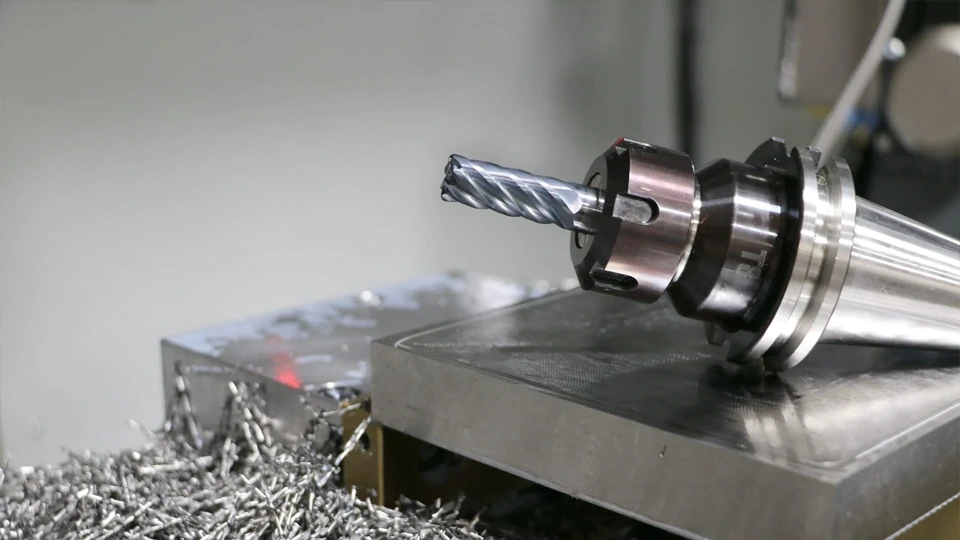
Titanium wire can be challenging to machine and fabricate due to its strength and low thermal conductivity. Buyers often overlook the machining requirements and may not consider whether the wire can be easily processed for their specific needs. It is important to understand the machining capabilities and limitations of titanium wire to avoid complications during production. Proper tooling and techniques are necessary to achieve the desired results without damaging the material.
Before making a large purchase, it is advisable to request samples of the titanium wire. This allows you to evaluate the material's quality and suitability for your application. Many suppliers are willing to provide samples, and this step can help prevent costly mistakes. Testing the samples in your specific application can provide valuable insights into how the material will perform under real-world conditions.
Finally, buyers often focus on immediate needs without considering the long-term performance of the titanium wire. It is essential to evaluate how the wire will perform over time, especially in demanding applications. Factors such as fatigue resistance, corrosion resistance, and overall durability should be taken into account to ensure the wire meets long-term performance expectations. Understanding the lifecycle of the material can help in making informed decisions that will benefit your project in the long run.
Purchasing titanium wire requires careful consideration and understanding of various factors. By avoiding these common mistakes, buyers can ensure they select the right material for their applications, leading to improved performance and reduced costs. Always prioritize quality, supplier reputation, and specific application requirements when making your purchase.
1. What are the different grades of titanium wire?
- Titanium wire is available in several grades, including Grade 1 (commercially pure), Grade 2 (higher strength), and Grade 5 (alloyed for strength and heat resistance).
2. How do I choose a reputable supplier for titanium wire?
- Look for suppliers with a proven track record, positive customer reviews, and certifications that demonstrate compliance with industry standards.
3. What should I consider when evaluating the cost of titanium wire?
- Consider the quality of the material, the supplier's reputation, and the specific requirements of your application when evaluating cost.
4. How should I store titanium wire to prevent degradation?
- Store titanium wire in a cool, dry place, away from moisture and extreme temperatures, and handle it with gloves to prevent contamination.
5. What machining considerations should I keep in mind when working with titanium wire?
- Understand the machining capabilities and limitations of titanium wire, as it can be challenging to work with due to its strength and low thermal conductivity.


