

Views: 526 Author: Lasting Titanium Publish Time: 2024-12-09 Origin: Site


Content Menu
● Understanding Titanium Bolts
>> What Makes Titanium Special?
>> Common Applications of Titanium Bolts
● Techniques for Repairing a Loose Titanium Bolt
>> Using Thread Locking Compounds
>> Proper Installation Techniques
>> Related Questions and Answers
Titanium bolts are renowned for their strength, lightweight properties, and resistance to corrosion, making them a popular choice in various applications, from aerospace to automotive. However, like any mechanical component, they can become loose over time due to vibrations, thermal expansion, or improper installation. This article will explore effective techniques for repairing a loose titanium bolt, the tools required, and methods to prevent future loosening.
Titanium is a metal that offers a unique combination of strength and lightness. It is significantly stronger than steel while being much lighter, which is why it is favored in high-performance applications. Additionally, titanium has excellent corrosion resistance, making it ideal for environments that would typically degrade other metals. This resistance is particularly beneficial in marine and chemical applications, where exposure to saltwater or corrosive substances can lead to rapid deterioration of standard metals. Furthermore, titanium's biocompatibility makes it suitable for medical implants, where it can safely coexist with human tissue without causing adverse reactions.
Titanium bolts are commonly used in various industries due to their advantageous properties. In aerospace, they are critical for reducing weight while maintaining structural integrity, which is essential for fuel efficiency and performance. In marine applications, titanium bolts resist corrosion from seawater, ensuring longevity and reliability in harsh environments. The automotive racing industry also utilizes titanium bolts to enhance performance by reducing weight without sacrificing strength. Additionally, in the medical field, titanium bolts are used in surgical implants and devices, where their biocompatibility and strength are crucial for patient safety and device functionality. Sports equipment, such as bicycles and climbing gear, also benefits from titanium's lightweight and durable characteristics, making it a preferred choice for high-performance gear.
Before attempting any repairs, it is crucial to assess the condition of the bolt and the surrounding material. Check for signs of wear, corrosion, or damage. If the bolt is stripped or the threads are damaged, you may need to replace it rather than simply tightening it. A thorough inspection can reveal whether the bolt has been subjected to excessive stress or if the installation was flawed from the beginning. Look for any signs of galling, which is a common issue with titanium, where the metal can seize and cause damage to the threads. Understanding the extent of the damage will guide your repair strategy and help you determine whether a simple tightening will suffice or if a more comprehensive approach is necessary.
If the bolt is merely loose, the first step is to tighten it. Use a torque wrench to ensure that you apply the correct amount of force. Over-tightening can lead to stripping the threads or breaking the bolt, especially with titanium, which can be more brittle than other metals. It is essential to follow the manufacturer's specifications for torque settings, as these are designed to optimize the performance of the bolt without compromising its integrity. When tightening, apply a steady, even pressure to avoid sudden jolts that could cause further damage. If the bolt is in a hard-to-reach location, consider using a crow's foot attachment on your torque wrench to maintain accuracy while working in tight spaces.
For bolts that frequently loosen, consider using a thread locking compound. These adhesives are designed to secure bolts in place and prevent them from loosening due to vibrations. Apply the compound to the threads before re-installing the bolt. Be sure to choose a product that is compatible with titanium. Thread locking compounds come in various strengths, so select one that suits your application—light-duty for easy disassembly and heavy-duty for permanent fixtures. Additionally, ensure that the surfaces are clean and free of oil or debris before applying the compound, as this will enhance adhesion and effectiveness.
If the bolt is damaged or stripped, replacing it is the best option. When selecting a new titanium bolt, ensure it matches the specifications of the original. Use a bolt with the same diameter, length, and thread pitch to ensure a proper fit. It is also advisable to inspect the hole where the bolt is installed for any signs of damage. If the threads in the hole are stripped, you may need to use a tap to re-thread the hole or insert a helicoil to restore the thread integrity. When installing the new bolt, apply a small amount of lubricant to the threads to facilitate easier installation and prevent galling.
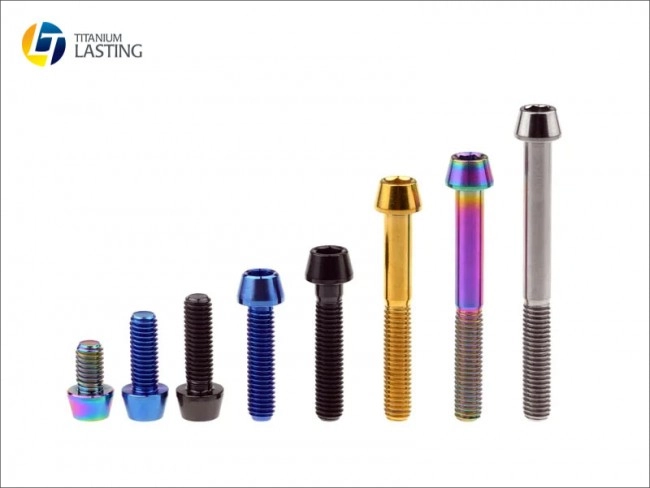
To repair a loose titanium bolt, you will need the following tools:
· Torque wrench: For applying the correct amount of force when tightening. A digital torque wrench can provide precise measurements and help prevent over-tightening.
· Thread locking compound: To prevent future loosening. Ensure it is suitable for high-temperature applications if necessary.
· Replacement titanium bolt: If the original is damaged. Always source high-quality bolts from reputable suppliers to ensure reliability.
· Allen wrench or socket set: Depending on the type of head on the bolt. A ratchet set can speed up the process significantly.
· Lubricant: To ease the installation of the new bolt. Use a lubricant that is compatible with titanium to avoid any adverse reactions.
Depending on the situation, you may also need:
· Drill and drill bits: If you need to remove a broken bolt. A left-hand drill bit can sometimes help extract a broken bolt by gripping it as it drills.
· Tap and die set: For repairing stripped threads in the hole where the bolt is installed. This set allows you to create new threads in damaged holes, ensuring a secure fit for the new bolt.
Regularly inspect bolts in critical applications. Look for signs of loosening or wear, and tighten them as necessary. This proactive approach can prevent more significant issues down the line. Establishing a maintenance schedule can help ensure that all components are checked periodically, especially in high-stress environments. Keeping a log of inspections and repairs can also help identify patterns that may indicate underlying issues with the assembly or installation process.
When installing titanium bolts, follow best practices to ensure they remain secure. This includes:
· Cleaning the threads: Ensure that both the bolt and the hole are free from debris and corrosion. Use a wire brush or a cleaning solvent to remove any contaminants that could interfere with the fit.
· Using the correct torque specifications: Always refer to the manufacturer's guidelines for the appropriate torque settings. This information is crucial for ensuring that the bolt is neither too loose nor too tight.
· Applying anti-seize lubricant: This can help prevent galling, which is a common issue with titanium. Anti-seize compounds can also facilitate easier disassembly in the future, making maintenance simpler.
In applications where vibrations are prevalent, consider using vibration dampening materials or techniques. This can help reduce the stress on bolts and prevent them from loosening over time. Options include using rubber washers or grommets to absorb vibrations or installing dampers in the assembly. Additionally, ensuring that the assembly is properly aligned can minimize unnecessary movement that contributes to loosening.
Repairing a loose titanium bolt involves assessing the situation, tightening or replacing the bolt, and using thread locking compounds to prevent future issues. By understanding the properties of titanium and employing proper techniques, you can ensure the longevity and reliability of your titanium fasteners. Regular maintenance and adherence to best practices during installation will further enhance the performance of titanium bolts in various applications.
What are the benefits of using titanium bolts? Titanium bolts are lightweight, strong, and resistant to corrosion, making them ideal for high-performance applications.
How do I know if my titanium bolt is damaged? Look for signs of wear, such as stripped threads, corrosion, or visible deformation of the bolt.
Can I use regular thread locking compounds on titanium bolts? Yes, but ensure the compound is compatible with titanium to avoid any adverse reactions.
What should I do if my titanium bolt keeps loosening? Consider using a thread locking compound, tightening it to the correct torque, or replacing it if it is damaged.
How often should I check my titanium bolts? Regular inspections are recommended, especially in high-stress applications, to ensure they remain secure.


