

Views: 360 Author: Lasting Titanium Publish Time: 2025-12-22 Origin: Site


Content Menu
● Understanding Titanium and Its Properties
● Applications of Titanium Sheets in Aerospace
● Factors to Consider When Choosing Titanium Sheets
>> 1. Application Requirements
● Innovations in Titanium Sheet Manufacturing
>> Advanced Manufacturing Techniques
>> Sustainability in Titanium Production
Choosing the right titanium sheet for aerospace applications is a critical decision that can significantly impact the performance, safety, and efficiency of aircraft. Titanium is renowned for its high strength-to-weight ratio, corrosion resistance, and ability to withstand extreme temperatures, making it an ideal material for various aerospace components. This article will guide you through the essential factors to consider when selecting titanium sheets, the different grades available, and their specific applications in the aerospace industry.
Titanium is a transition metal known for its remarkable strength and low density. It is the ninth most abundant element in the Earth's crust and is primarily extracted from minerals such as rutile and ilmenite. Titanium's unique properties make it suitable for a wide range of applications, particularly in the aerospace sector. Its ability to form a protective oxide layer enhances its corrosion resistance, making it a preferred choice in environments where exposure to moisture and chemicals is common. Additionally, titanium's biocompatibility has led to its use in medical implants, showcasing its versatility beyond aerospace.
- High Strength-to-Weight Ratio: Titanium is about 45% lighter than steel but offers comparable strength, making it ideal for aerospace applications where weight reduction is crucial. This property allows for the design of lighter aircraft, which can lead to improved fuel efficiency and performance. The reduction in weight not only enhances the aircraft's range but also contributes to lower operational costs over time.
- Corrosion Resistance: Titanium exhibits excellent resistance to corrosion, particularly in harsh environments, such as those found in aerospace applications. This resistance is vital for components exposed to various atmospheric conditions and chemicals, ensuring longevity and reliability. The formation of a stable oxide layer on titanium surfaces protects it from oxidation and other forms of degradation, making it suitable for use in both marine and aerospace environments.
- Temperature Resistance: Titanium can withstand high temperatures without losing its mechanical properties, making it suitable for engine components and other high-heat applications. This characteristic is essential for parts that operate in extreme conditions, such as turbine blades and exhaust systems. The ability to maintain structural integrity at elevated temperatures allows for more efficient engine designs and improved overall performance.
- Biocompatibility: Titanium is non-toxic and biocompatible, which is why it is also used in medical implants. Its compatibility with human tissue has made it a standard material in orthopedic and dental applications, further demonstrating its diverse utility. This property is particularly advantageous in aerospace applications where components may be exposed to human interaction, such as in cabin environments.
Titanium sheets come in various grades, each with specific properties that make them suitable for different applications. The most commonly used grades in aerospace include:
- Grade 1: Commercially pure titanium with excellent corrosion resistance and formability. It is often used in applications where high ductility and weldability are required, such as in chemical processing equipment. Grade 1 titanium is particularly beneficial in environments where exposure to corrosive substances is a concern.
- Grade 2: Offers a good balance of strength and ductility, making it suitable for a wide range of applications. This grade is often used in aerospace components that require moderate strength and excellent corrosion resistance. Its versatility allows it to be used in various structural applications, including airframes and engine components.
- Grade 5 (Ti-6Al-4V): The most widely used titanium alloy, known for its high strength and excellent fatigue resistance. It is commonly found in critical aerospace components, including airframes and engine parts, due to its superior mechanical properties. Grade 5 titanium is often the go-to choice for applications requiring high performance and reliability.
- Grade 9 (Ti-3Al-2.5V): Offers a good combination of strength and weight, making it ideal for aerospace applications. This grade is particularly useful in applications where weight savings are essential without compromising strength. Its lightweight nature makes it suitable for components that require both strength and reduced mass.
When selecting a titanium sheet, consider the following factors:
- Mechanical Properties: Assess the strength, ductility, and fatigue resistance required for your application. Different grades of titanium offer varying levels of these properties, so it is crucial to match the material to the specific demands of the application. For instance, components subjected to high cyclic loads may benefit from the fatigue resistance of Grade 5 titanium.
- Corrosion Resistance: Determine the environmental conditions the titanium will be exposed to. For instance, components used in marine environments may require higher corrosion resistance than those used in dry conditions. Understanding the specific corrosive agents present in the operating environment can help in selecting the appropriate grade.
- Weldability: Some grades are easier to weld than others, which can impact manufacturing processes. Understanding the welding characteristics of each grade can help streamline production and ensure the integrity of welded joints. For example, Grade 2 titanium is known for its excellent weldability, making it a preferred choice for welded structures.
Titanium sheets are extensively used in aircraft structures, including:
- Wings: The lightweight nature of titanium helps improve fuel efficiency. By using titanium in wing structures, manufacturers can reduce the overall weight of the aircraft, leading to lower fuel consumption and increased range. The use of titanium also allows for the design of wings that can withstand the aerodynamic forces experienced during flight.
- Fuselage: Provides strength and durability while minimizing weight. The use of titanium in the fuselage contributes to the overall structural integrity of the aircraft, allowing it to withstand the stresses of flight. Additionally, titanium's corrosion resistance ensures that the fuselage remains intact over time, reducing maintenance needs.
- Landing Gear: Titanium's high strength-to-weight ratio is crucial for landing gear components. The ability to absorb impact forces during landing while remaining lightweight is essential for the safety and performance of the aircraft. Titanium landing gear components can withstand the rigors of repeated landings and takeoffs, ensuring reliability.
Titanium is also used in various engine components, such as:
- Turbine Blades: Titanium alloys can withstand high temperatures and stresses. The use of titanium in turbine blades enhances the efficiency and performance of jet engines, allowing for higher thrust and better fuel efficiency. The lightweight nature of titanium also contributes to improved engine responsiveness.
- Compressor Blades: Lightweight and strong, titanium helps improve engine efficiency. The reduced weight of titanium components allows for faster acceleration and improved overall engine performance. This is particularly important in modern high-performance engines that require rapid changes in thrust.
- Casing: Provides protection and structural integrity to engine components. The durability of titanium ensures that engine casings can withstand the harsh conditions of operation, including high temperatures and pressures. This protection is vital for maintaining the functionality and safety of the engine.
Understanding the specific requirements of your application is crucial. Consider factors such as:
- Load-Bearing Capacity: Determine the loads the titanium sheet will need to support. This includes static loads during flight and dynamic loads during maneuvers. The ability to accurately assess these loads is essential for ensuring the safety and performance of the aircraft.
- Environmental Conditions: Assess exposure to chemicals, moisture, and temperature extremes. Components used in different environments may require specific grades of titanium to ensure longevity and performance. For example, components exposed to seawater may require higher corrosion resistance.
Different manufacturing processes may require specific grades of titanium. For example:
- Welding: Some grades are more suitable for welding than others. Understanding the welding characteristics of each grade can help streamline production and ensure the integrity of welded joints. Proper welding techniques are essential for maintaining the mechanical properties of titanium.
- Forming: Consider the formability of the titanium sheet for your intended design. Some grades may be easier to form into complex shapes, which can be beneficial in certain applications. The ability to achieve intricate designs can enhance the functionality and aesthetics of the final product.
Titanium can be more expensive than other materials, so it's essential to balance performance requirements with budget constraints. Evaluate the long-term benefits of using titanium against initial costs. While the upfront cost may be higher, the durability and performance of titanium can lead to lower maintenance and replacement costs over time. Additionally, the potential for weight savings can result in significant fuel cost reductions in aerospace applications.
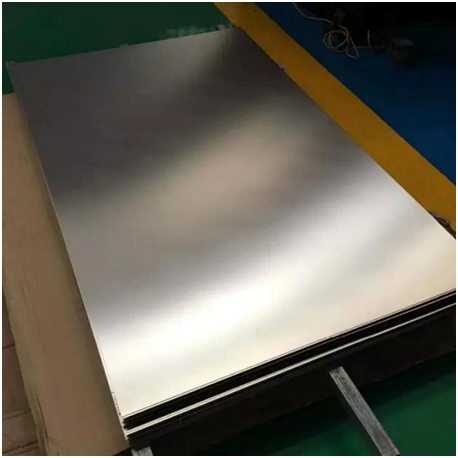
Recent advancements in manufacturing techniques have improved the availability and quality of titanium sheets. Techniques such as additive manufacturing and advanced machining processes allow for more complex designs and reduced waste. Additive manufacturing, in particular, enables the production of intricate geometries that were previously difficult or impossible to achieve with traditional methods. This innovation opens up new possibilities for lightweight structures and optimized designs.
Sustainability is becoming increasingly important in the aerospace industry. Manufacturers are exploring ways to reduce the environmental impact of titanium production, including recycling and using more sustainable practices. The development of processes that minimize energy consumption and waste generation is crucial for the future of titanium manufacturing. Additionally, the use of recycled titanium can significantly reduce the carbon footprint associated with titanium production.
Choosing the right titanium sheet for aerospace applications involves careful consideration of various factors, including mechanical properties, environmental conditions, and manufacturing processes. By understanding the different grades of titanium and their specific applications, you can make informed decisions that enhance the performance and safety of your aerospace components. The ongoing advancements in titanium technology and manufacturing processes will continue to shape the future of aerospace engineering, making titanium an even more valuable material in the industry.
1. What is the most commonly used titanium grade in aerospace?
- Grade 5 (Ti-6Al-4V) is the most widely used titanium alloy in aerospace due to its high strength and excellent fatigue resistance.
2. How does titanium compare to aluminum in aerospace applications?
- Titanium is stronger and more corrosion-resistant than aluminum, but it is also heavier and more expensive. The choice between the two materials often depends on the specific requirements of the application.
3. Can titanium sheets be welded?
- Yes, titanium sheets can be welded, but the ease of welding depends on the specific grade of titanium. Proper welding techniques are essential to maintain the material's properties.
4. What are the benefits of using titanium in aircraft structures?
- Titanium offers a high strength-to-weight ratio, excellent corrosion resistance, and the ability to withstand high temperatures, making it ideal for aircraft structures.
5. How do I determine the right titanium grade for my application?
- Consider the mechanical properties required, environmental conditions, and manufacturing processes when selecting the appropriate titanium grade.


