

Views: 350 Author: Lasting Titanium Publish Time: 2026-05-29 Origin: Site


Content Menu
● Understanding the Mechanical and Chemical Demands of Agitator Shafts
● Key Titanium Grades for Chemical Agitator Shafts
>> 1. Grade 2 (Commercially Pure Titanium)
>> 3. Grade 7 (Ti-0.2Pd) – The Corrosion Fighter
>> 4. Grade 12 (Ti-0.3Mo-0.8Ni)
● Selection Matrix: Matching Grades to Process Media
● Expert Insights: Critical Factors for Agitator Shaft Longevity
>> The "Crevice Effect" in Shaft Assemblies
>> The Role of Surface Hardening and Treatments
>> Real-World Procurement Strategy: The Importance of Batch Consistency
● Deep Dive: The Role of Vertical Integration in Material Quality
● FAQ
In the complex and often unforgiving environment of chemical processing, the failure of an agitator shaft is never just a maintenance task—it is a production crisis that can lead to expensive downtime, hazardous leaks, and environmental risk. Chemical agitators operate under constant, high-stakes mechanical stress, often submerged in highly corrosive acids, alkalis, or oxidative media. When selecting the material for these critical components, titanium bars have emerged as the industry's gold standard for longevity, outperforming traditional stainless steels and nickel alloys in many specific media. However, titanium is not a monolithic choice; there is an array of grades, each with unique metallurgical behaviors. Selecting the wrong grade can be as detrimental as choosing the wrong material entirely.
As metallurgical specialists at Shaanxi Lasting New Material (Lasting Advanced Titanium) Industry Co., Ltd., we have dedicated years to helping global chemical plants navigate these complex choices. We have witnessed how precision material selection bridges the gap between a system that runs for a few months and one that functions reliably for decades. This guide provides an expert-led framework for selecting the optimal titanium bar grade to ensure your chemical agitator shafts survive and thrive in the harshest industrial process conditions.
Before diving into grade specifications, it is vital to perform a comprehensive audit of your agitator's operational "envelope." Agitator shafts do not exist in a vacuum; they are dynamic components subjected to relentless forces. Generally, these shafts face two primary categories of failure modes that must be addressed simultaneously:
1. Chemical Attack and Corrosion: The agitator shaft is the "heart" of the mixer, constantly bathed in process fluid. The choice of grade must account for the specific chemical concentration, temperature, and pH levels. You are looking for resistance to pitting, crevice corrosion, and stress corrosion cracking (SCC), which are the primary enemies of long-term equipment health.
2. Mechanical Fatigue and Torque: A shaft must maintain high yield strength to endure constant rotational torque and the vibrational harmonics created by the impellers as they push through viscous fluids. If the material is too soft, the shaft will experience "whip" or deformation over time, leading to seal failure and eventually total shaft breakage.
To achieve success, engineers must balance the electrochemical protection of the titanium surface with the structural integrity required to keep the agitator spinning.
While there are dozens of titanium alloys available in the market today, only a handful demonstrate the refined balance of mechanical strength and chemical stability required for high-performance chemical agitator shafts.
Grade 2 is the workhorse of the titanium industry. It offers a balanced profile of ductility, moderate strength, and exceptional corrosion resistance in oxidizing environments.
* Best for: Mildly corrosive environments, such as those involving nitric acid or seawater, where cost-effectiveness and excellent weldability are priorities.
* Technical Context: Grade 2 has a high capacity for deformation, making it easier to machine into complex shaft profiles. However, it is important to note that its fatigue strength is relatively low compared to alloys. For heavy-load, high-torque agitators, it may lack the rigidity required to prevent long-term flex.
Known as the aerospace alloy, Grade 5 is prized for its high tensile strength and superior fatigue resistance.
* Best for: Applications where mechanical strength is the overriding concern, such as extremely long shafts or those handling highly viscous, heavy-duty slurries.
* Technical Context: While Grade 5 is impressively strong, it is important to exercise caution. Its corrosion resistance is inferior to Grade 2 in reducing acids. It is best suited for environments where the chemical media is not aggressively corrosive, but the mechanical strain is extreme.
Grade 7 is identical to Grade 2 in mechanical properties but is alloyed with a small amount of Palladium (Pd).
* Best for: Aggressive, highly acidic chemical environments, particularly those involving chlorides or hot, reducing acids where crevice corrosion is a constant threat.
* Technical Context: Palladium acts as a noble metal catalyst on the surface of the titanium, significantly widening the range of conditions where the protective oxide layer remains stable. For critical agitator shafts in hydrochloric or sulfuric acid environments, Grade 7 is widely considered the gold standard.
Grade 12 provides an excellent compromise between the mechanical strength of alloys and the corrosion resistance of Pd-stabilized grades.
* Best for: High-pressure and high-temperature environments where strength-to-corrosion ratios are vital.
* Technical Context: The addition of Molybdenum and Nickel increases the resistance to crevice corrosion significantly compared to pure titanium, while simultaneously increasing the elevated-temperature strength of the material. It is an extremely reliable choice for modern chemical reactors.
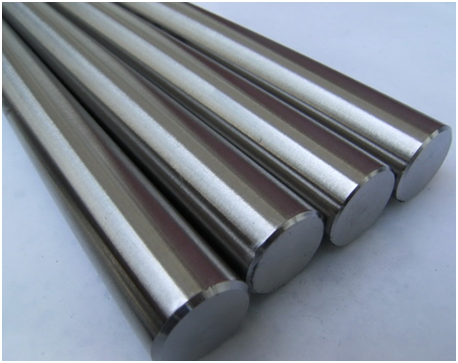
To simplify the procurement process, refer to the following guide to match your specific process environment to the most reliable grade.
| Corrosive Environment | Recommended Grade | Primary Benefit for Shaft Design |
|---|---|---|
| Oxidizing Acids (e.g., Nitric) | Grade 2 | Economical, reliable resistance |
| Mechanical Stress / Heavy Load | Grade 5 | Superior fatigue resistance |
| Reducing Acids / Hot Chlorides | Grade 7 | Maximum crevice corrosion safety |
| High Pressure / High Temp | Grade 12 | Enhanced structural durability |
One of the most common oversights in agitator design is the assembly point. Agitator shafts are rarely a single piece of metal; they must interface with mechanical seals, bearings, impellers, and keyways. These connection points create microscopic crevices. In chloride-rich process fluids, oxygen within these crevices is depleted, preventing the titanium from reforming its protective oxide layer. This leads to localized, rapid degradation known as crevice corrosion, especially above ~70°C in chloride media. Regardless of the base grade selected, if your process involves such conditions, choosing a palladium-stabilized grade like Grade 7 is a technical imperative to ensure these junction points do not become failure sites.
In many chemical processes, the agitator is not just dealing with corrosive fluids, but also with abrasive particles or suspended solids. These particles can cause premature wear on the shaft surface, stripping away the protective titanium oxide layer and accelerating corrosion. For shafts experiencing high-velocity fluid flow or slurry mixing, we highly recommend considering Nitridation or Thermal Oxidation. These treatments create an extremely hard surface layer on the titanium bar, significantly enhancing its resistance to abrasive wear without compromising the core corrosion resistance of the shaft.
The reliability of your agitator shaft begins at the mill. For mission-critical shafts, "Titanium" is not enough—you need to know the specific metallurgical history of the bar. When sourcing, always ensure your supplier can provide the following:
1. Full Mill Test Reports (MTRs): These are not optional. You must verify that the chemical composition and mechanical properties comply with ASTM B348 standards.
2. Ultrasonic Testing (UT) Records: Since an agitator shaft is a rotational component, internal integrity is non-negotiable. Ultrasonic testing (UT) helps detect internal porosity or voids to meet ASTM A388 / EN 10228 standards, ensuring the bar is free of internal flaws that could serve as stress concentrators during high-speed rotation.
3. Stress Relief Verification: Heavy machining to create shafts can introduce significant residual stress into the titanium bar. Ensure the material has undergone proper stress-relief heat treatment to prevent the shaft from "springing" or warping once it is placed into operation.
As a manufacturer providing services to global brands, we at Shaanxi Lasting recognize that the supply chain is the final link in the quality chain. When a company sources a titanium bar, they are essentially buying into the supplier's process control. Our philosophy emphasizes that "Quality is built in, not tested in."
The process begins with the selection of high-quality sponge and continues through every stage of melting, forging, and rolling. When producing bars for agitator shafts, we prioritize grain refinement. A fine-grained structure is inherently more resistant to fatigue than a coarse one. By utilizing advanced forging techniques and tightly controlled cooling rates, we ensure that the internal structure of the titanium bar is as consistent as its surface chemistry. This consistency is what allows an agitator to run for 20,000 hours without the need for an emergency shutdown.
Furthermore, we believe that education is part of the procurement process. Procurement managers should not just be looking at price per kilogram, but at the "total cost of ownership." A shaft made from a cheaper, inferior grade that needs replacement in 18 months is far more expensive than a premium Grade 7 shaft that lasts 10 years.
Selecting the right titanium bar grade is an exercise in balancing operational load against chemical aggressiveness. While Grade 2 serves well for basic needs, high-torque agitators in hazardous media require the advanced alloy properties of Grade 7 or Grade 12 to ensure longevity and safety. By prioritizing crevice corrosion resistance, surface hardening, and strict compliance with ASTM testing protocols, you can significantly reduce the risk of catastrophic failure.
At Shaanxi Lasting New Material, we do not just supply titanium; we provide engineering solutions designed to thrive in the world's most demanding environments. Our team works closely with plant engineers to analyze process parameters, flow velocities, and chemical concentrations to ensure the material you receive is exactly the one you need.
Need Expert Guidance for Your Project?
The complexity of chemical processing environments means there is rarely a "one-size-fits-all" answer. If you are designing a new agitator or troubleshooting a recurring shaft failure, our engineering team is ready to assist. We offer one-stop titanium material solutions, from alloy selection to final bar supply, ensuring your equipment meets the highest global standards. [Contact our technical support team today for a consultation on your next chemical processing project.](#)
---
1. [ASTM International: Standard Specification for Titanium and Titanium Alloy Bars and Billets (ASTM B348)](https://www.astm.org/b0348-19.html) - The global benchmark for titanium bar quality and composition.
2. [ASM International: Titanium: A Technical Guide](https://www.asminternational.org/) - Comprehensive resource on the metallurgy and corrosion behavior of titanium alloys.
3. [Shaanxi Lasting New Material: Titanium Grade Comparison Guide](https://www.lastingtitanium.com/) - Technical insights into material application in industrial settings.
4. [ScienceDirect: Crevice Corrosion in Titanium Alloys in Chloride Environments](https://www.sciencedirect.com/topics/engineering/crevice-corrosion) - Deep analysis of how crevice corrosion affects titanium structures.
5. [Journal of Materials Engineering and Performance: Surface Modification of Titanium Alloys](https://link.springer.com/journal/11665) - Detailed exploration of how thermal oxidation and nitridation enhance material wear resistance.
6. [NACE International: Materials Selection in the Chemical Process Industry](https://nace.org/) - Guidelines for choosing alloys in corrosive media.
---
1. Is Grade 2 titanium strong enough for large agitator shafts?
Generally, no. While Grade 2 is highly resistant to many chemicals, it lacks the fatigue strength necessary for long, high-torque agitator shafts. For large-scale or high-load applications, Grade 5 (for strength) or Grade 12 (for strength and corrosion resistance) are significantly better choices.
2. Why is Grade 7 considered the best for chemical agitator shafts?
Grade 7 is a palladium-stabilized titanium alloy. The addition of palladium significantly enhances the material's resistance to crevice corrosion, especially in hot, acidic, or chloride-containing environments where standard pure titanium might fail. It is the premier choice for reliability in severe chemical processes.
3. Can I use Grade 5 titanium in all chemical environments?
No, and doing so can be dangerous. Grade 5 (Ti-6Al-4V) is an aerospace alloy designed primarily for its high tensile strength, not for its corrosion resistance. In reducing acidic conditions, its corrosion resistance is inferior to Grade 2, and it may undergo accelerated degradation compared to grades specifically optimized for chemical stability.
4. How does the machining process affect the long-term performance of the shaft?
The process of machining a titanium bar into a shaft introduces residual stresses into the material. If not properly stress-relieved after heavy machining, these stresses can lead to warping during operation or initiate stress-corrosion cracking. Always ensure that the final shaft undergoes a stress-relief heat treatment.
5. What is the standard documentation I should request from my supplier?
For any critical component like an agitator shaft, you should always request a Mill Test Report (MTR). This document must detail the chemical composition, the results of mechanical property tests (yield strength, tensile strength, elongation), and evidence of non-destructive testing, such as ultrasonic testing (UT) according to ASTM A388 / EN 10228, to ensure the bar is free of internal defects.


