

Views: 389 Author: Lasting Titanium Publish Time: 2025-11-11 Origin: Site


Content Menu
● Understanding Titanium Alloys
>> Properties of Titanium Alloys
>> Hot Forging
>> Cold Forging
● Applications of Titanium Forgings in Aircraft Manufacturing
>> Landing Gear
● Advantages of Titanium Forgings in Aerospace Manufacturing
● Challenges in Titanium Forging
● Future Trends in Titanium Forging for Aircraft Manufacturing
In the world of advanced manufacturing, particularly in aerospace and defense, the choice between titanium forgings and titanium billets is critical. Both forms of titanium have unique properties and applications, making them suitable for different uses. This article explores the differences, advantages, and applications of titanium forgings and billets, helping manufacturers make informed decisions based on their specific needs.
Titanium is a lightweight, high-strength metal that is highly resistant to corrosion. These properties make it an ideal choice for aerospace applications, where performance and durability are critical. Titanium alloys, particularly Ti-6Al-4V (Grade 5) and Ti-6Al-4V ELI (Grade 23), are commonly used in aircraft manufacturing due to their excellent mechanical properties. The versatility of titanium alloys allows them to be tailored for specific applications, enhancing their performance in various environments.
Titanium alloys exhibit several key properties that make them suitable for aerospace and military applications:
- High Strength-to-Weight Ratio: Titanium alloys are significantly lighter than steel, making them ideal for applications where weight savings are critical. This property allows for the design of lighter aircraft structures, which can lead to improved fuel efficiency and performance. The reduction in weight not only enhances the aircraft's speed and agility but also contributes to lower operational costs over the aircraft's lifespan.
- Corrosion Resistance: Titanium exhibits exceptional resistance to corrosion, particularly in harsh environments. This resistance is crucial for components exposed to moisture and chemicals, ensuring longevity and reliability. The ability to withstand corrosive elements means that titanium components require less maintenance and have a longer service life, which is particularly beneficial in the aerospace industry where safety and reliability are paramount.
- Fatigue Resistance: The ability of titanium to withstand repeated stress without failure is vital for components that experience cyclic loading, such as aircraft wings and landing gear. This property ensures that parts can endure the rigors of flight without succumbing to fatigue-related failures. The high fatigue resistance of titanium alloys allows for the design of thinner and lighter components without compromising safety, which is a significant advantage in modern aircraft design.
- Biocompatibility: Certain titanium alloys are biocompatible, making them suitable for medical applications as well. This characteristic is particularly important in military medical devices and implants, where compatibility with human tissue is essential. The biocompatibility of titanium also opens up opportunities for its use in advanced medical technologies, such as implants and prosthetics, further showcasing its versatility.
The manufacturing of titanium forgings involves several key processes that ensure the material meets the required specifications for aerospace applications. These processes are designed to enhance the mechanical properties of titanium while ensuring that the final products meet stringent quality standards.
Hot forging is a process that involves heating titanium to a temperature where it becomes malleable, allowing it to be shaped into complex geometries. This method enhances the mechanical properties of the material by refining its grain structure. The elevated temperatures reduce the yield strength of titanium, making it easier to work with and allowing for the production of intricate shapes that are often required in aerospace components. Hot forging not only improves the strength and toughness of the titanium but also helps eliminate internal defects, resulting in a more reliable final product.
While less common for titanium due to its strength, cold forging can be used for smaller components where precision is critical. This method can improve surface finish and dimensional accuracy. Cold forging is particularly useful for producing parts that require tight tolerances and a high-quality surface finish, which is often necessary in aerospace applications. The cold forging process can also enhance the mechanical properties of the material through strain hardening, making it suitable for applications where high strength is required.
Quality control is paramount in the production of titanium forgings. Manufacturers employ various non-destructive testing methods, such as ultrasonic and radiographic testing, to ensure the integrity of the forgings. These tests help identify any internal defects that could compromise performance. Additionally, rigorous inspection protocols are implemented throughout the manufacturing process to ensure that each component meets the required specifications.
- Traceability: Each batch of titanium forgings is tracked from raw material to finished product, ensuring that all components can be traced back to their source. This traceability is crucial in aerospace applications, where the integrity of each part is vital for safety and performance. The ability to trace materials back to their origin helps manufacturers maintain high standards of quality and accountability.
- Certification: Manufacturers often provide certification packages that detail the material properties and testing results for each batch of forgings. This documentation is essential for compliance with industry standards and regulations. Certification ensures that the materials used in aircraft manufacturing meet the stringent requirements set forth by regulatory bodies, providing confidence to manufacturers and end-users alike.
Titanium forgings are used in various critical aerospace components, including:
Titanium is extensively used in the manufacturing of engine components, such as turbine blades and casings. These parts benefit from titanium's high strength and heat resistance, which are essential for withstanding the extreme temperatures and pressures experienced during operation. The use of titanium in engines contributes to improved performance and efficiency, making it a preferred material for next-generation aircraft. The lightweight nature of titanium also allows for more efficient engine designs, which can lead to significant fuel savings.
Airframe structures made from titanium alloys provide the necessary strength while minimizing weight. This is particularly important in modern aircraft design, where every ounce of weight saved can lead to significant fuel savings. Titanium's strength allows for thinner, lighter structures without compromising safety or performance. The use of titanium in airframe components also enhances the overall durability of the aircraft, allowing it to withstand the stresses of flight over extended periods.
Titanium fasteners are used in aircraft assembly due to their corrosion resistance and strength. These fasteners must withstand high loads and environmental exposure, making titanium an excellent choice for ensuring structural integrity. The lightweight nature of titanium fasteners also contributes to overall weight reduction in aircraft. Additionally, titanium fasteners are less likely to corrode when exposed to harsh environmental conditions, which is critical for maintaining the safety and reliability of aircraft.
The landing gear of an aircraft is subjected to significant stress during takeoff and landing. Titanium forgings are used in landing gear components to provide the necessary strength and durability while keeping weight to a minimum. This application is critical for enhancing the performance and safety of aircraft during critical phases of flight. The use of titanium in landing gear also allows for more efficient designs, which can improve the overall aerodynamics of the aircraft.
The use of titanium forgings in aerospace applications offers several advantages:
1. Weight Savings: The low density of titanium allows for significant weight reductions in aircraft, improving fuel efficiency and maneuverability. This weight savings is crucial in both commercial and military aviation, where performance and operational costs are closely linked. Lighter aircraft can carry more payload or achieve longer ranges, making titanium an attractive option for manufacturers.
2. Enhanced Performance: Titanium's superior mechanical properties contribute to the overall performance and reliability of critical components. The ability to withstand high temperatures and corrosive environments ensures that titanium forgings can perform effectively in demanding conditions. This performance is essential for maintaining the safety and efficiency of modern aircraft.
3. Corrosion Resistance: The ability to resist corrosion extends the lifespan of components, reducing maintenance costs and increasing operational readiness. This is particularly important in military applications, where equipment must be reliable in various environments. The long-term durability of titanium components can lead to lower lifecycle costs for aircraft operators.
4. Design Flexibility: The forging process allows for the production of complex geometries that are often required in aerospace applications. This design flexibility enables engineers to create innovative solutions that enhance performance and functionality. The ability to produce intricate shapes can lead to more efficient designs that improve the overall aerodynamics of the aircraft.
Despite its advantages, titanium forging presents several challenges:
- Cost: Titanium is more expensive than other metals, which can increase production costs. Manufacturers must balance the benefits of titanium with budget constraints, often requiring careful planning and resource management. The high cost of titanium can be a barrier to its widespread adoption in some applications.
- Machinability: Titanium alloys can be difficult to machine due to their strength, requiring specialized tools and techniques to achieve the desired tolerances. This can lead to increased production times and costs, necessitating investment in advanced machining technologies. Manufacturers must develop efficient machining processes to minimize waste and reduce costs.
- Heat Treatment: Proper heat treatment is essential to optimize the mechanical properties of titanium forgings, necessitating careful control of processing conditions. Inadequate heat treatment can lead to suboptimal performance, making it critical for manufacturers to adhere to established protocols. The complexity of heat treatment processes can also add to production times and costs.
- Supply Chain Management: The sourcing of high-quality titanium and the management of supply chains can be complex, particularly in times of geopolitical uncertainty. Manufacturers must establish strong relationships with suppliers to ensure a consistent supply of materials. Disruptions in the supply chain can impact production schedules and lead to increased costs.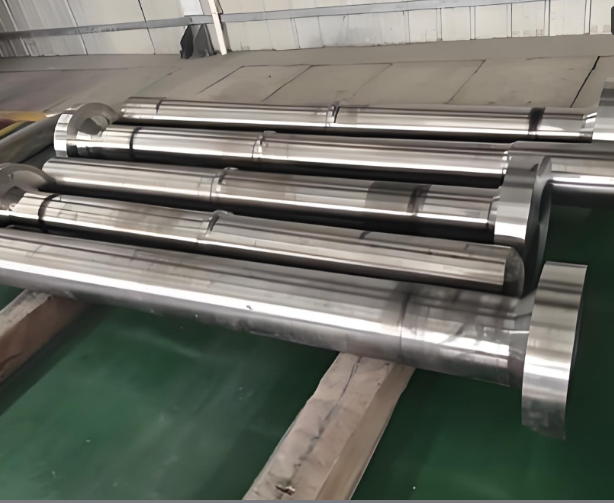
As technology continues to advance, the role of titanium forging in aircraft manufacturing is expected to grow. Innovations in manufacturing processes, such as additive manufacturing and advanced alloying techniques, promise to expand the applications of titanium in aerospace.
Additive manufacturing, or 3D printing, is revolutionizing the way titanium components are produced. This technology allows for the creation of complex geometries that would be difficult or impossible to achieve with traditional manufacturing methods. By reducing material waste and lowering production costs, additive manufacturing is set to play a significant role in the future of titanium forging. Companies are increasingly investing in 3D printing technologies to produce titanium parts that meet the stringent requirements of aerospace applications.
The development of new titanium alloys with enhanced properties will further expand the applications of titanium in aerospace. These advanced alloys may offer improved strength, corrosion resistance, and fatigue performance, making them suitable for even more demanding applications in next-generation aircraft. Research into new alloy compositions and processing techniques is ongoing, with the goal of creating materials that can withstand the extreme conditions encountered in modern aviation.
As the aerospace industry moves towards more sustainable practices, the environmental impact of titanium production will be a key consideration. Efforts to reduce the energy consumption associated with titanium extraction and processing will be essential in making titanium a more eco-friendly choice for aircraft manufacturing. Manufacturers are exploring ways to improve the sustainability of titanium production, including the use of renewable energy sources and more efficient processing methods.
Titanium forging is a critical technology in the manufacturing of next-generation aircraft. Its unique properties, combined with advanced manufacturing processes and strict quality control, ensure that titanium components perform reliably in demanding aerospace applications. As the industry continues to innovate, the role of titanium in aircraft manufacturing is expected to expand, paving the way for lighter, stronger, and more efficient aircraft. The ongoing development of new titanium alloys and forging techniques will continue to enhance the capabilities of this remarkable material, paving the way for future innovations in aerospace and military applications.
1. What are the main advantages of using titanium in aircraft manufacturing?
- Titanium offers a high strength-to-weight ratio, excellent corrosion resistance, and superior fatigue resistance, making it ideal for aerospace applications.
2. How does titanium forging differ from other manufacturing processes?
- Titanium forging involves shaping the metal through compressive forces, which enhances its mechanical properties, while other processes may involve cutting or machining.
3. What are the challenges associated with titanium forging?
- Challenges include high costs, difficulties in machining, and the need for precise heat treatment to achieve optimal mechanical properties.
4. What role does additive manufacturing play in titanium forging?
- Additive manufacturing allows for the creation of complex geometries and reduces material waste, making it a valuable tool in the production of titanium components.
5. How is the aerospace industry addressing sustainability in titanium production?
- The industry is focusing on reducing energy consumption in titanium extraction and processing, as well as developing more eco-friendly manufacturing practices.


