

Views: 360 Author: Lasting titanium Publish Time: 2025-07-29 Origin: Site


Content Menu
● Introduction to Titanium in Automotive Manufacturing
● Benefits of Using Titanium Sheets
>> High Strength-to-Weight Ratio
● Key Applications of Titanium Sheets in Automotive Manufacturing
>> 5. Fasteners and Connectors
● Challenges in Using Titanium Sheets
>> Cost
● Future Prospects of Titanium in Automotive Manufacturing
>> Innovations in Titanium Alloys
>> Increased Adoption in Electric Vehicles
>> 1. What are the main advantages of using titanium in automotive manufacturing?
>> 2. What are the common applications of titanium sheets in vehicles?
>> 3. Why is titanium more expensive than other metals?
>> 4. How does titanium contribute to fuel efficiency in vehicles?
>> 5. What is the future outlook for titanium in the automotive industry?
Titanium has emerged as a revolutionary material in the automotive industry, primarily due to its unique properties such as high strength-to-weight ratio, excellent corrosion resistance, and durability. This article explores the various applications of titanium sheets in automotive manufacturing, highlighting their benefits, challenges, and future prospects.
Titanium is a transition metal known for its remarkable strength and lightweight characteristics. It is approximately 40% lighter than steel but offers comparable strength, making it an ideal choice for various automotive components. The automotive industry has increasingly adopted titanium due to its ability to enhance performance, fuel efficiency, and overall vehicle longevity. As manufacturers strive to meet stringent regulations regarding emissions and fuel economy, the demand for lightweight materials like titanium is expected to grow. This shift not only improves vehicle performance but also aligns with global sustainability goals.
The automotive sector is undergoing a significant transformation, driven by advancements in technology and a growing emphasis on sustainability. As electric vehicles (EVs) gain popularity, the need for lightweight materials that can improve efficiency and reduce energy consumption has become paramount. Titanium, with its unique properties, is well-positioned to play a crucial role in this evolution. Its ability to withstand high temperatures and resist corrosion makes it an attractive option for various automotive applications, from structural components to engine parts.
One of the most significant advantages of titanium is its high strength-to-weight ratio. This property allows manufacturers to reduce the weight of vehicles without compromising structural integrity. Lighter vehicles lead to improved fuel efficiency and better handling. The reduction in weight can also enhance acceleration and braking performance, making vehicles more responsive. As a result, automotive engineers are increasingly incorporating titanium into high-performance models, where every ounce counts. This trend is particularly evident in the racing sector, where the quest for speed and agility drives innovation in material selection.
The high strength-to-weight ratio of titanium is particularly beneficial in applications where performance is critical. For instance, in motorsports, where every gram matters, the use of titanium components can lead to significant improvements in lap times and overall vehicle dynamics. Additionally, the lightweight nature of titanium allows for more innovative designs, enabling engineers to create components that were previously deemed impractical with heavier materials.
Titanium exhibits excellent resistance to corrosion, particularly in harsh environments. This makes it suitable for components exposed to moisture, chemicals, and high temperatures, such as exhaust systems and engine parts. Unlike traditional metals that may rust or degrade over time, titanium maintains its integrity, ensuring that automotive components remain functional and aesthetically pleasing for longer periods. This durability is especially beneficial in regions with extreme weather conditions or where vehicles are frequently exposed to road salts and other corrosive substances. By using titanium, manufacturers can reduce the frequency of part replacements, leading to lower maintenance costs for consumers.
The corrosion resistance of titanium is not only advantageous for the longevity of automotive components but also contributes to the overall safety of vehicles. Components that are less prone to corrosion are less likely to fail, reducing the risk of accidents caused by mechanical failures. This reliability is particularly important in critical systems such as braking and steering, where the integrity of components is essential for safe operation.
Titanium components tend to have a longer lifespan compared to those made from traditional materials. This durability translates to lower maintenance costs and increased reliability for automotive manufacturers. The ability of titanium to withstand fatigue and stress over time means that parts can endure the rigors of daily driving without succumbing to wear and tear. This longevity is particularly advantageous for critical components such as suspension systems and engine parts, where failure can lead to significant safety concerns. As a result, vehicles equipped with titanium components often enjoy a reputation for reliability and performance, enhancing brand loyalty among consumers.
The durability of titanium also allows manufacturers to offer longer warranties on vehicles equipped with titanium components. This not only boosts consumer confidence but also positions manufacturers as leaders in quality and innovation. As the automotive industry becomes increasingly competitive, the ability to differentiate products based on material quality and performance will be a key factor in attracting and retaining customers.
The use of titanium can contribute to more environmentally friendly vehicles. Lighter cars consume less fuel, leading to reduced carbon emissions. Additionally, titanium is recyclable, further enhancing its sustainability profile. As the automotive industry faces increasing pressure to reduce its carbon footprint, the adoption of lightweight materials like titanium becomes a strategic advantage. By improving fuel efficiency and lowering emissions, manufacturers can meet regulatory requirements while appealing to environmentally conscious consumers. Furthermore, the recyclability of titanium means that it can be repurposed at the end of a vehicle's life cycle, minimizing waste and promoting a circular economy.
The environmental benefits of titanium extend beyond fuel efficiency. The production of titanium can be made more sustainable through advancements in extraction and processing technologies. As the industry moves towards greener practices, the development of eco-friendly titanium production methods will be essential in reducing the overall environmental impact of automotive manufacturing.
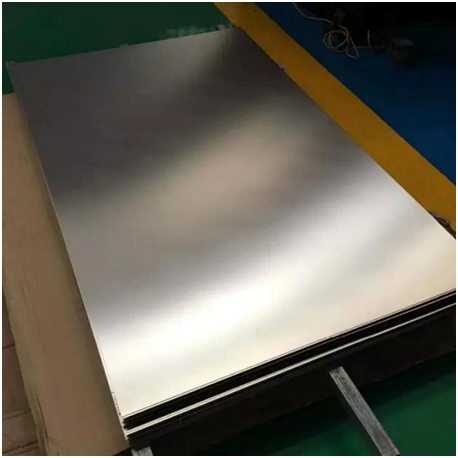
Titanium sheets are widely used in the manufacturing of exhaust systems. Their lightweight nature helps reduce the overall weight of the vehicle, while their corrosion resistance ensures longevity. Titanium exhaust components can withstand high temperatures and harsh conditions, making them ideal for performance vehicles. The use of titanium in exhaust systems not only enhances performance but also contributes to a more refined sound profile, appealing to enthusiasts who value both aesthetics and functionality. As manufacturers continue to innovate, titanium exhaust systems are becoming standard in high-end models, showcasing the material's versatility and performance benefits.
The design of titanium exhaust systems allows for greater freedom in shaping and routing, enabling engineers to optimize exhaust flow and reduce back pressure. This can lead to improved engine performance and efficiency, further enhancing the appeal of titanium in high-performance applications. Additionally, the lightweight nature of titanium exhaust systems can contribute to better weight distribution in vehicles, improving handling and stability.
Titanium is increasingly used in various engine components, including valves, valve springs, and connecting rods. These parts benefit from titanium's strength and lightweight properties, which enhance engine performance and efficiency. The ability to operate at higher RPMs without the risk of failure allows for more aggressive tuning and performance enhancements. Additionally, titanium's resistance to heat and wear ensures that engine components maintain their performance over time, reducing the likelihood of costly repairs. As automotive technology advances, the integration of titanium into engine design is expected to become more prevalent, particularly in high-performance and racing applications.
The use of titanium in engine components also allows for more compact designs, as the strength of titanium enables engineers to reduce the size and weight of parts without sacrificing performance. This can lead to more efficient engine layouts and improved overall vehicle design. Furthermore, the reduced weight of titanium engine components can contribute to better fuel economy, making it an attractive option for manufacturers looking to meet stringent emissions standards.
The automotive suspension system can also benefit from titanium sheets. Components such as springs and shock absorbers made from titanium can improve handling and ride quality while reducing weight. The reduction in unsprung weight enhances vehicle dynamics, allowing for better traction and stability during cornering. This is particularly important in performance vehicles, where precise handling is crucial. Furthermore, titanium's ability to absorb vibrations contributes to a smoother ride, enhancing overall passenger comfort. As manufacturers seek to optimize vehicle performance, the use of titanium in suspension systems is likely to expand, offering drivers a more engaging driving experience.
The lightweight nature of titanium suspension components can also lead to improved responsiveness in handling. Lighter suspension parts allow for quicker adjustments to road conditions, enhancing the overall driving experience. Additionally, the durability of titanium means that suspension components can withstand the rigors of performance driving without compromising safety or comfort.
Some manufacturers are exploring the use of titanium sheets for body panels. While this application is still in its infancy, the potential for lightweight, durable body structures is significant. Titanium body panels can provide enhanced protection against impacts while reducing overall vehicle weight. This innovation could lead to improved fuel efficiency and performance, as well as a unique aesthetic appeal. As production techniques evolve, the feasibility of using titanium for body panels may increase, allowing for greater design flexibility and innovation in automotive styling.
The use of titanium in body panels also opens up new possibilities for design and aesthetics. Manufacturers can create unique shapes and finishes that were previously difficult to achieve with traditional materials. This can lead to more distinctive vehicle designs that stand out in a crowded market. Additionally, the corrosion resistance of titanium ensures that body panels maintain their appearance over time, reducing the need for repainting and maintenance.
Titanium fasteners and connectors are becoming more common in automotive applications. Their strength and resistance to corrosion make them ideal for securing various components throughout the vehicle. The use of titanium fasteners can also contribute to weight reduction, as they are lighter than traditional steel fasteners. This is particularly beneficial in applications where weight savings are critical, such as in racing or high-performance vehicles. Additionally, the reliability of titanium fasteners ensures that components remain securely attached, enhancing overall vehicle safety and performance.
The integration of titanium fasteners into automotive design can also simplify assembly processes. The lightweight nature of titanium allows for easier handling and installation, reducing labor costs and improving production efficiency. As manufacturers continue to seek ways to streamline production and reduce costs, the adoption of titanium fasteners is likely to increase.

One of the primary challenges of using titanium in automotive manufacturing is its cost. Titanium is more expensive than traditional materials like steel and aluminum, which can deter some manufacturers from adopting it. The high cost of raw titanium and the complex processing required to shape it into usable forms contribute to its overall expense. As a result, manufacturers must carefully evaluate the cost-benefit ratio when considering titanium for specific applications. However, as technology advances and production methods improve, the cost of titanium is expected to decrease, making it a more viable option for a broader range of vehicles.
The initial investment in titanium components may be offset by long-term savings in maintenance and fuel efficiency. Manufacturers that can effectively communicate these benefits to consumers may find a competitive advantage in the market. Additionally, as the demand for lightweight materials continues to grow, economies of scale may help drive down the cost of titanium production.
The manufacturing processes for titanium can be more complex than those for other metals. Techniques such as welding and forming require specialized equipment and expertise, which can increase production costs. Additionally, the need for precise machining and finishing can add to the overall manufacturing timeline. As manufacturers seek to streamline production and reduce costs, the development of more efficient processing techniques for titanium will be crucial. Innovations in additive manufacturing and other advanced techniques may help overcome these challenges, making titanium a more accessible option for automotive applications.
The complexity of titanium manufacturing also necessitates a skilled workforce. Training and retaining skilled workers who are proficient in titanium processing can be a challenge for manufacturers. As the industry evolves, investing in workforce development will be essential to ensure that manufacturers can meet the growing demand for titanium components.
While titanium is abundant in the Earth's crust, the extraction and processing of titanium into usable forms can be resource-intensive. This can lead to supply chain challenges for automotive manufacturers. Fluctuations in the availability of titanium can impact production schedules and costs, making it essential for manufacturers to establish reliable sourcing strategies. As demand for titanium continues to grow, the development of sustainable mining and processing practices will be critical to ensuring a stable supply for the automotive industry.
The reliance on titanium from specific regions can also create vulnerabilities in the supply chain. Manufacturers may need to diversify their sourcing strategies to mitigate risks associated with geopolitical factors or natural disasters that could disrupt production. Building strong relationships with suppliers and investing in local sourcing initiatives can help enhance supply chain resilience.
As technology advances, the cost of titanium production is expected to decrease, making it a more viable option for mass-market vehicles. Additionally, ongoing research into new titanium alloys and manufacturing techniques may expand its applications in the automotive sector. The potential for lightweight, high-strength materials to revolutionize vehicle design is significant, and manufacturers are increasingly investing in research and development to explore these possibilities.
New titanium alloys are being developed to enhance specific properties, such as strength, ductility, and corrosion resistance. These innovations could lead to broader applications in automotive manufacturing. For example, alloys that incorporate additional elements may offer improved performance in extreme conditions, making them suitable for high-stress applications. As manufacturers continue to explore the potential of titanium, the development of specialized alloys will play a crucial role in expanding its use in the automotive industry.
The exploration of titanium alloys also opens up opportunities for collaboration between manufacturers and research institutions. By working together, they can develop new materials that meet the specific needs of the automotive industry while also addressing broader challenges such as sustainability and performance.
With the rise of electric vehicles (EVs), the demand for lightweight materials is more critical than ever. Titanium's properties make it an excellent candidate for various EV components, from battery housings to structural elements. The need for efficient energy use in EVs aligns perfectly with titanium's lightweight characteristics, allowing for longer ranges and improved performance. As the automotive industry shifts towards electrification, the role of titanium is likely to become increasingly prominent, offering manufacturers a competitive edge in the evolving market.
The integration of titanium into EV design can also enhance safety features. For example, the use of titanium in battery enclosures can provide additional protection against impacts, ensuring the safety of passengers and the integrity of the battery system. As safety regulations become more stringent, the demand for robust materials like titanium will continue to grow.
Titanium sheets are transforming the automotive manufacturing landscape, offering numerous benefits that enhance vehicle performance, efficiency, and sustainability. While challenges remain, the future of titanium in the automotive industry looks promising, with ongoing innovations and increasing adoption across various applications. As manufacturers continue to prioritize lightweight materials and sustainable practices, titanium is poised to play a pivotal role in shaping the future of automotive design and engineering.
Titanium offers a high strength-to-weight ratio, excellent corrosion resistance, durability, and environmental benefits, making it an ideal choice for various automotive components.
Titanium sheets are commonly used in exhaust systems, engine components, suspension systems, body panels, and fasteners.
The cost of titanium is primarily due to the complex extraction and processing methods required to convert it into usable forms, as well as its limited availability.
By reducing the weight of automotive components, titanium helps improve fuel efficiency, as lighter vehicles require less energy to operate.
As production costs decrease and new alloys are developed, titanium is expected to see increased adoption in mass-market vehicles, particularly in the growing electric vehicle sector.


