

Views: 300 Author: Lasting Titanium Publish Time: 2026-10-30 Origin: Site


Content Menu
● What Makes Titanium Plate Difficult to Machine?
● Titanium Plate Machining Challenges and Practical Solutions
>> 1. Heat Concentration and Accelerated Tool Wear
>> 2. Tool Adhesion, Built-Up Edge, and Edge Failure
>> 3. Work Hardening, Springback, and Dimensional Error
>> 4. Chip Control and Deep-Hole Drilling
>> 5. Vibration, Chatter, and Poor Surface Finish
● A Repeatable Process for Machining Titanium Plate
>> Step 1: Confirm the Material and Requirements
>> Step 2: Review Geometry and Risk Areas
>> Step 3: Choose Tooling and Establish Trial Conditions
>> Step 4: Stabilize Workholding and Coolant Delivery
>> Step 5: Machine a Representative Feature
>> Step 6: Inspect, Record, and Release
● Process Monitoring: Diagnose the Symptom Before Changing Parameters
● Surface Integrity, Cleaning, and Quality Control
● Cost and Lead Time: Optimize the Whole Operation
● Working with a Titanium Plate Supplier
● Frequently Asked Questions About Titanium Plate Machining
>> 1. Why is titanium plate machining difficult?
>> 2. What is the best cutting speed for machining titanium plate?
>> 3. Does titanium plate machining always require coolant?
>> 4. How can tool life be improved when milling titanium?
>> 5. How do manufacturers prevent distortion in thin titanium plates?
>> 6. What information should buyers provide when requesting a titanium plate quotation?
● Conclusion: Make Titanium Plate Machining Predictable
Titanium plate machining can be demanding even for experienced manufacturers. Titanium alloys combine high strength, low thermal conductivity, chemical reactivity at elevated cutting temperatures, and a strong tendency to spring back. These properties make cutting, drilling, milling, and finishing less forgiving than machining many common steels or aluminum alloys. With the right material identification, tooling, process planning, and inspection, however, manufacturers can produce accurate titanium plate components with reliable surface quality and controlled production costs.
This guide explains the main titanium plate machining challenges and practical solutions. It is written for engineers, sourcing teams, distributors, and manufacturers evaluating titanium sheet and plate parts. The central lesson is that successful machining depends on managing the entire process—not simply choosing a slower spindle speed.
Titanium is not one material with one set of machining behaviors. Commercially pure grades and titanium alloys differ in strength, hardness, ductility, and application. Ti-6Al-4V, commonly known as Grade 5, is widely used for its combination of strength and corrosion resistance, while commercially pure grades may be selected for corrosion resistance or forming requirements. A machining plan should begin with the exact grade, material condition, plate thickness, and applicable specification.
Several characteristics make titanium challenging at the cutting edge:
- Low thermal conductivity: Heat tends to remain concentrated near the cutting zone rather than flowing away through the workpiece and chips. This can accelerate tool wear.
- High strength at elevated temperatures: The material resists deformation while cutting, increasing cutting forces and heat.
- Chemical reactivity: At high temperatures, titanium can react with tool materials and contribute to adhesion or built-up edge.
- Elastic recovery: The workpiece can spring back against the tool, affecting dimensional accuracy and surface finish.
- Long or difficult-to-control chips: Chip formation and evacuation can become problematic, particularly during drilling and deep-pocket machining.
These factors interact. For example, a dull tool raises heat and cutting force; higher force can cause vibration; vibration can damage the edge and worsen the surface. A stable process therefore combines suitable tools, a rigid setup, effective coolant delivery, and a toolpath matched to the part geometry.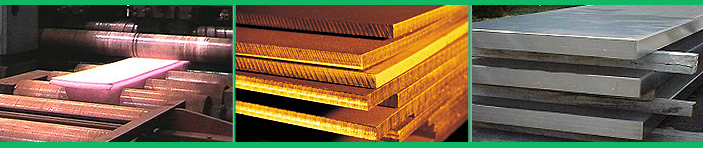
Because titanium conducts heat poorly, the cutting edge can experience intense localized heat. Excessive cutting speed, rubbing, inconsistent engagement, or a worn tool may aggravate the problem. The consequences include flank wear, edge chipping, built-up material, dimensional drift, and unplanned tool changes.
Practical solutions:
- Select cutting data from the toolmaker's recommendations for the exact titanium alloy and operation.
- Use sharp, suitable carbide tooling and avoid running a damaged or worn edge.
- Deliver coolant consistently to the cutting zone; through-tool coolant can help in drilling and other operations where chip evacuation is difficult.
- Maintain an appropriate chip load so the tool cuts rather than rubs.
- Use a rigid holder and minimize tool overhang to reduce vibration and heat from unstable cutting.
There is no universal "best" cutting speed for all titanium plates. Tool diameter, alloy, machine power, tool geometry, engagement, coolant delivery, and rigidity all matter. Published starting ranges should be treated as trial conditions, not guaranteed production settings. A controlled test cut followed by inspection of the tool and workpiece is safer than copying a number from an unrelated operation.
Titanium's affinity for tool materials at elevated temperatures can lead to material adhesion at the cutting edge. A built-up edge can change the effective tool geometry, spoil the finish, and eventually break away with fragments of the cutting edge. Interrupted cuts, chatter, excessive tool overhang, or inconsistent feeds can further increase the risk of chipping.
Practical solutions:
1. Match the cutting edge to the operation. Select a tool grade and geometry intended for the relevant titanium alloy and milling, turning, or drilling task.
2. Keep engagement predictable. Use toolpaths that reduce sudden changes in cutting load where the geometry permits.
3. Avoid rubbing and dwell. Ensure the tool advances through the cut instead of lingering against the material.
4. Inspect wear systematically. Check the cutting edge at defined intervals, especially during process qualification and after a change in batch, tool, or setup.
5. Record failures by symptom. Distinguish flank wear, chipping, adhesion, and vibration; each points to a different process issue.
Changing several parameters at once makes troubleshooting difficult. When tool life or finish deteriorates, adjust one controllable factor at a time and document the result.
Titanium can elastically recover after the tool passes. On thin plates, slender features, or flexible setups, this springback can cause dimensional variation and uneven wall thickness. Poor cutting conditions may also leave a damaged or stressed surface layer, while excessive clamping force can distort the plate and cause it to move after unclamping.
Practical solutions:
- Support the plate close to the cutting area and use a fixture that prevents movement without distorting the part.
- Plan the cutting sequence to preserve stiffness for as long as possible.
- Use separate roughing and finishing stages when tolerances or surface requirements demand them.
- Leave a consistent finishing allowance and avoid taking extremely light cuts that may rub instead of cut.
- Measure the part after unclamping, not only while it is held in the fixture.
For thin or large plates, fixture design is part of machining strategy. A part that appears accurate under clamping pressure may change shape once released. The inspection plan should reflect the actual condition in which the customer will use or assemble the component.
Long, hot chips can scratch the machined surface, become trapped in a cavity, or be recut by the tool. Drilling is particularly sensitive because the cutting edges operate inside a confined hole. Poor evacuation can cause heat buildup, tool damage, and inconsistent hole quality.
Practical solutions:
- Use a drill and coolant strategy appropriate to the hole diameter, depth, and material grade.
- Consider through-tool coolant when the machine, tooling, and operation support it.
- Ensure chips have a clear evacuation path and avoid allowing them to accumulate around the cutting zone.
- Establish a drilling cycle based on tooling guidance and test results rather than automatically applying a generic peck cycle.
- Inspect hole diameter, position, and surface condition, especially for deep or close-tolerance features.
The right approach depends on the hole's depth-to-diameter ratio and the drill design. A cycle that works for a shallow hole may be unsuitable for a deep bore. For critical holes, confirm the process with a first-article inspection before moving to production.
Titanium's cutting forces can expose weaknesses in the machine, fixture, toolholder, or toolpath. Chatter may appear as a repeated pattern on the surface, an unstable sound, accelerated edge wear, or inconsistent dimensions. Thin sections and long-reach tools are especially vulnerable.
Practical solutions:
- Improve workholding and support the plate near the machining zone.
- Keep tool assemblies as short and rigid as practical.
- Check toolholder condition, runout, insert seating, and machine maintenance.
- Review tool engagement and path transitions for sudden load changes.
- If vibration appears, investigate the system rather than assuming feed rate alone is responsible.
A smooth surface is not merely cosmetic. Surface condition can affect fatigue performance, sealing, fit, and downstream finishing. Where these properties matter, define the required surface finish and inspection method before machining begins.
A disciplined workflow helps reduce scrap and makes process improvement measurable.
Before programming, verify the titanium grade, material condition, plate thickness, dimensions, tolerance, surface requirements, and traceability needs. Confirm that the material certificate and markings match the purchase specification. If a drawing references a standard or inspection requirement, resolve ambiguities before cutting.
Identify thin walls, deep pockets, small-radius corners, long-reach features, tight-tolerance holes, and areas where the plate may lose stiffness as material is removed. These features affect tool selection, workholding, machining sequence, and inspection frequency.
Select tooling intended for the alloy and operation. Use the toolmaker's data as the starting point, taking account of the actual machine, coolant system, toolholder, and engagement. Record the initial conditions so that trial results can be repeated and compared.
Make the setup rigid without bending the plate. Confirm that coolant reaches the cutting zone and that chips can escape. For holes and pockets, verify that the chosen coolant delivery method is adequate for the feature depth.
Use a test cut that reflects the most demanding part of the job, not only an easy open cut. Monitor tool condition, chip form, sound, dimensions, and surface finish. If the result is unsatisfactory, adjust one factor at a time and document the change.
Check critical dimensions after the part is unclamped. Record tool life, process conditions, inspection results, and any corrective action. For repeat production, maintain revision-controlled programs and setup instructions. This converts individual operator experience into a repeatable manufacturing process.
A practical troubleshooting log can prevent guesswork. The same visible defect can have multiple causes, so verify the setup and tool condition before making a large adjustment.
| Symptom | Possible contributors | First checks |
|---|---|---|
| Rapid flank wear | Excessive heat, unsuitable cutting data, poor tool condition | Verify tool specification, speed, coolant, and wear pattern |
| Edge chipping | Vibration, interrupted engagement, excessive load, tool overhang | Check rigidity, runout, toolpath, and edge condition |
| Built-up material | Heat, adhesion, unsuitable geometry, unstable cutting | Inspect the edge and review cutting conditions and coolant |
| Chatter marks | Weak workholding, long tool overhang, changing engagement | Check fixture support, holder, tool reach, and path |
| Inconsistent dimensions | Springback, plate movement, thermal effects, worn tool | Measure after unclamping and review sequence and fixturing |
| Poor hole quality | Chip packing, inadequate coolant access, drill wear | Check evacuation, drill geometry, cycle, and hole depth |
This table is a diagnostic starting point, not a substitute for process validation. Record what changed and whether the defect improved; otherwise, the same problem may recur on the next batch.
Machining quality is more than meeting nominal dimensions. Depending on the component's application, the customer may care about surface roughness, burrs, edge condition, residual contamination, or traceability. Requirements should be stated on the drawing or purchase documents wherever possible.
A robust inspection plan may include:
- Material verification: grade, condition, thickness, and documentation.
- Dimensional inspection: critical lengths, flatness, hole sizes, positions, and profiles.
- Surface inspection: finish, tool marks, burrs, and visible defects.
- Process records: tool, machine, program revision, inspection results, and nonconformances.
- Post-machining handling: protection against scratches, contamination, and handling damage.
The necessary checks depend on the part's end use and customer specification. For highly critical applications, agree on acceptance criteria, sampling frequency, and documentation before production begins.
A low quoted machining price does not always mean a low total cost. Tool consumption, setup time, scrap risk, inspection effort, and finishing requirements all affect the final cost and delivery schedule. A process that runs quickly but produces unstable dimensions can be more expensive than a slightly slower, repeatable process.
When comparing suppliers or manufacturing routes, ask:
- Can the supplier identify the exact titanium grade and material condition?
- Are machining and inspection requirements clearly defined?
- How are thin plates and large components supported during machining?
- What process controls are used for tool wear and first-article approval?
- Can the supplier provide material and inspection documentation where required?
- Are packaging and handling appropriate to protect the finished plate?
For buyers, early technical review can prevent avoidable rework. For manufacturers, a documented trial and clear acceptance criteria help align production capability with customer expectations.
Material quality and machining results are connected. Correct grade identification, thickness consistency, documentation, and clear communication about the intended application support better production planning. Buyers should share the drawing revision, required standard, tolerance, quantity, delivery expectations, and any inspection or traceability requirements.
Shaanxi Lasting New Material (Lasting Advanced Titanium) Industry Co., Ltd. provides titanium materials and related services for international brands, wholesalers, and manufacturers. When discussing a titanium plate requirement, customers can provide the intended grade, dimensions, application, and required documentation so the material inquiry can be evaluated against the project needs.
No supplier should be assumed to provide a particular certificate, machining capability, or tolerance unless it is confirmed for the specific order. Written confirmation of grade, condition, dimensions, inspection documents, packaging, and delivery terms helps avoid misunderstandings.
Titanium combines high strength with low thermal conductivity and can react with cutting tools at elevated temperatures. Heat concentration, tool wear, springback, and chip evacuation must be managed together to achieve stable results.
There is no single best speed for every titanium grade, tool, machine, and operation. Start with the tooling manufacturer's recommendations for the specific alloy and setup, then validate the conditions through controlled trials and inspection.
Not every operation uses the same coolant strategy, but effective delivery is important for managing heat and evacuating chips in many titanium machining processes. The appropriate method depends on the operation, tooling, machine, and geometry.
Use tooling intended for the alloy, maintain a rigid setup, avoid rubbing and unstable engagement, deliver coolant effectively where appropriate, and inspect wear at planned intervals. Change one process variable at a time when troubleshooting.
Support the plate close to the cutting zone, use fixtures that hold without bending, plan the sequence to preserve stiffness, and check dimensions after unclamping. Separate roughing and finishing may be needed for demanding tolerances.
Provide the grade, material condition if specified, thickness, dimensions, quantity, applicable standard, tolerance, intended application, required documents, and delivery expectations. Clear requirements help suppliers assess the request accurately.
Titanium plate machining is challenging because heat, tool wear, chip control, vibration, and springback interact. The most reliable results come from verifying the material, selecting suitable tooling, stabilizing the part, delivering coolant effectively, and validating the process through measurement. Treat machining as a controlled system, not a search for one magic cutting parameter.
For a titanium plate inquiry, contact Shaanxi Lasting New Material (Lasting Advanced Titanium) Industry Co., Ltd. with your grade, dimensions, quantity, application, and documentation requirements. Clear technical details are the first step toward a material solution that fits your project.
1. E. A. Nasr and colleagues, "Effect of Various Lubricating Strategies on Machining of Titanium Alloys: A State-of-the-Art Review," *Coatings*, 2022. [https://www.mdpi.com/2079-6412/12/8/1178]
2. GWS Tool Group, "Machining Titanium: Tools and Techniques for Better Results." [https://www.gwstoolgroup.com/the-titanium-playbook-advanced-tools-and-tactics-for-challenging-alloys]
3. *Manufacturing Engineering*, "Metalworking Fluid Tackles the Challenges of Titanium Machining." [https://www.mmsonline.com/articles/metalworking-fluid-tackles-the-challenges-of-titanium-machining]
4. Springer, "Review of Improvement of Machinability and Surface Integrity in …" *The International Journal of Advanced Manufacturing Technology*, 2023. [https://link.springer.com/article/10.1007/s00170-023-12630-4]
5. SogaWorks, "CNC Machining Titanium: Alloys, Challenges and Tips." [https://www.sogaworks.com/blogs/cnc-machining-titanium]
6. 3ERP, "Titanium CNC Machining: Tips, Techniques, Challenges & Things to Consider." [https://www.3erp.com/blog/titanium-cnc-machining]


