

Views: 360 Author: Lasting Titanium Publish Time: 2026-11-10 Origin: Site


Content Menu
● Grade 2 vs Grade 7 Titanium Bar: The Core Difference
● How Palladium Changes Grade 7's Corrosion Behavior
● Where Grade 2 Titanium Bar Is a Strong Choice
● When Grade 7 Titanium Bar Deserves Consideration
● A Practical Grade-Selection Workflow for Chemical Service
● Key Variables That Can Change the Decision
>> Acid chemistry and concentration
>> Temperature, aeration, and process upsets
>> Crevices, deposits, and equipment geometry
● Cost and Lifecycle: How to Compare the Grades Fairly
● Procurement Checklist for Titanium Bar Buyers
● Common Selection Mistakes to Avoid
>> Is Grade 7 titanium bar always more corrosion-resistant than Grade 2?
>> What is the main difference between Grade 2 and Grade 7 titanium?
>> Is Grade 7 titanium bar suitable for sulfuric acid?
>> Should I use Grade 2 or Grade 7 for a machined chemical-processing component?
>> Can Grade 7 replace Grade 2 without changing the design?
>> What information should I send when requesting a titanium bar quotation?
● Procurement Example: Avoiding a Common Grade-Selection Mismatch
● Conclusion: Select the Grade for the Actual Process
When engineers compare Grade 2 vs Grade 7 titanium bar for chemical processing, the key question is not simply which grade is "better." It is whether titanium's TiO₂ film remains stable in the actual process environment. Titanium can resist corrosion when the TiO₂ film remains stable; in strongly reducing or fluoride-bearing media the film breaks down. Grade 2 (UNS R50400) is the commercially pure workhorse; Grade 7 (UNS R52400) adds palladium to improve performance in some reducing-acid and crevice conditions. ASTM B265/B348 specify palladium as an intentional alloying addition in Grade 7, typically 0.12–0.25% by weight—not as an impurity. Grade 11 (UNS R52250) is a lower-interstitial Pd-modified grade, distinct from Grade 7 and often considered where forming or weldability requirements call for that variant. [1](#S2) [1](#S17)
This guide explains the metallurgical difference, likely service advantages and limitations, selection steps, purchasing checks, and questions to resolve before specifying titanium bars. It is written for engineers, buyers, distributors, and manufacturers evaluating materials for chemical equipment. Final material selection should be confirmed against the actual chemistry, operating conditions, applicable codes, and project requirements.
Grade 2 is commercially pure titanium, UNS R50400. Grade 7, UNS R52400, is commercially pure titanium with an intentional palladium addition, commonly specified at approximately 0.12–0.25% by weight in ASTM B265/B348. This is an alloying addition, not an impurity. The addition changes the electrochemical behavior of the material and can help it remain passive in certain reducing environments where Grade 2 may be more vulnerable. Grade 11 (UNS R52250) is a distinct lower-interstitial Pd-modified grade; it should not be confused with Grade 7 when evaluating forming or weldability requirements. [1](#S17) [1](#S2) [1](#S18)
The practical consequence is that Grade 7 is not simply a "stronger Grade 2." The principal reason to select it is corrosion performance in a defined service environment. Both grades remain titanium materials whose behavior depends on chemistry, temperature, concentration, aeration, flow, surface condition, and fabrication details.
| Selection factor | Grade 2 titanium bar | Grade 7 titanium bar |
|---|---|---|
| Material type | Commercially pure titanium | Palladium-modified commercially pure titanium |
| UNS designation | R50400 | R52400 |
| Main selection reason | General-purpose corrosion resistance and availability | Improved resistance in selected reducing-acid and crevice conditions |
| Cost consideration | Usually the more economical starting option | Palladium addition can increase material cost |
| Best first question | Is Grade 2 corrosion-resistant in the exact process? | Does the process justify the Grade 7 premium? |
Treat this table as a screening aid, not a substitute for corrosion data or engineering approval.
Titanium can resist corrosion when its thin TiO₂ film remains stable; in strongly reducing or fluoride-bearing media, the film can break down. Palladium in Grade 7 improves titanium's electrochemical response in some reducing-acid conditions, supporting passivation where Grade 2 may not perform as reliably. This is an environment-specific advantage, not universal acid resistance. [1](#S2)
This distinction matters in chemical processing because a process fluid is rarely described by a single chemical name. A sulfuric-acid solution, for example, can behave differently with changes in concentration, temperature, aeration, contaminants, and flow. A narrow gap beneath a deposit or gasket may also create local conditions unlike those in the bulk liquid.
Practical takeaway: Grade 7 typically extends the envelope in dilute reducing acids and crevice-prone joints, not in concentrated hot mineral acids without case-by-case data. It does not make titanium universally resistant to every acid, concentration, or operating upset. Obtain data for the precise environment and assess localized corrosion risks, not only general corrosion.
Grade 2 is often the sensible starting point when the environment is compatible with commercially pure titanium and the equipment design avoids harmful crevices or deposits. It is widely used across industrial applications because it combines useful corrosion resistance with broad familiarity in fabrication and procurement. As with any grade, the decision should be driven by documented service requirements rather than by a generic claim that titanium is corrosion-resistant.
For chemical-processing components machined from bar, Grade 2 may be considered for parts such as shafts, fittings, fasteners, valve components, and custom-machined details when the service conditions have been checked. The exact use depends on design, code requirements, loading, fabrication route, and fluid exposure.
A buyer or engineer evaluating Grade 2 should ask:
- What is the complete fluid composition? Include impurities, cleaning chemicals, and possible process upsets.
- What are the normal and maximum temperatures? A grade that performs acceptably at ambient temperature may not be suitable at the process maximum.
- Could stagnant zones or deposits form? Geometry and operating conditions can produce localized exposure.
- Is the material traceable and certified to the specified product standard? Confirm the applicable standard and edition in the purchase documents.
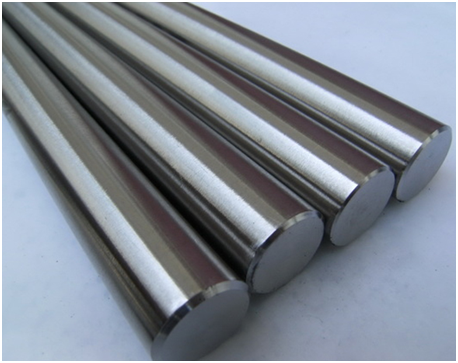
Grade 7 is worth evaluating when the process includes reducing acids or other conditions in which Grade 2's passive film may be less reliable. Its palladium addition is particularly relevant where crevice corrosion risk or aggressive localized conditions are part of the service assessment. [1](#S2)
That does not mean Grade 7 should automatically replace Grade 2. The right question is whether the operating envelope makes the additional alloying element technically valuable. In a stable, well-characterized environment where Grade 2 has an established performance record, upgrading may add cost without improving the project outcome. Conversely, in a process with meaningful reducing-acid or crevice concerns, the initial cost premium may be justified if it reduces maintenance, replacement, or unplanned shutdown risk.
Decision principle: Choose Grade 7 for a documented corrosion-control reason—not because "higher grade" sounds safer.
Use this workflow before placing an order for titanium bar:
1. Define the service envelope. Record the fluid composition, concentration range, temperature range, pressure, aeration, velocity, contaminants, and cleaning or startup chemicals. Include foreseeable off-normal conditions.
2. Identify localized risks. Review crevices, threaded joints, gasket interfaces, deposits, stagnant pockets, and weld or heat-affected regions in the completed equipment. The bar grade is only one part of corrosion control.
3. Compare candidate grades against relevant data. Seek corrosion information for the actual chemistry and operating range. Where published data do not match the service, request a qualified corrosion review or representative testing.
4. Confirm design and fabrication compatibility. Check machining, joining, forming, surface condition, and inspection requirements. Ensure that fabrication procedures and any post-fabrication treatment are suitable for the project.
5. Make lifecycle—not just purchase-price—comparisons. Consider material premium alongside inspection frequency, replacement intervals, downtime exposure, and consequences of leakage or failure.
6. Write a complete purchasing specification. State grade and UNS number, product form, applicable standard and edition, dimensions, condition, testing, certification, marking, packaging, and traceability requirements.
This sequence prevents a common specification gap: naming a titanium grade without defining the environment or the documentation needed to verify the supplied bar.
"Acid service" is not a sufficient material description. Different acids behave differently, and the same acid may cause different corrosion behavior at different concentrations or in the presence of oxidizers, chlorides, metal ions, or other contaminants. In sulfuric acid, lower concentrations at moderate temperatures and with oxidizing conditions may be candidates for titanium, while hot, more concentrated service requires project-specific data. In hydrochloric acid, palladium modification can improve performance in some dilute reducing conditions, but Grade 7 is not a universal solution for concentrated, hot acid. Evaluate the exact process fluid and operating range rather than applying a generic concentration limit. [1](#S2)
Temperature can change corrosion rates and the stability of protective films. Aeration and oxidizing species also influence the electrochemical environment. Startup, shutdown, cleaning, and contamination events may expose equipment to conditions more severe than normal operation. Specify these cases in the material review rather than relying only on steady-state data.
A material coupon exposed to an open, well-mixed solution may not represent the conditions beneath a gasket, deposit, or tight joint. These locations can develop localized chemistry and restricted mass transfer. Grade 7 generally offers better resistance than Grade 2 in relevant crevice-prone conditions, but that does not mean crevices are maintenance-free or harmless. Sound design, clean surfaces, inspectability, and case-specific corrosion review remain essential. [1](#S2)
A fair comparison should separate bar purchase price from total service cost. Grade 7 may cost more because it contains palladium, but the actual premium depends on dimensions, quantity, market conditions, processing, and documentation. Avoid using a universal price ratio or assuming that the more expensive grade always produces a lower lifecycle cost.
Instead, compare alternatives using a consistent project basis:
- Initial material cost: quoted price for the required size, condition, and quantity.
- Manufacturing cost: machining losses, fabrication steps, inspection, and qualification.
- Corrosion risk: likelihood and consequence of damage under normal and off-normal conditions.
- Maintenance exposure: access, inspection effort, planned replacement, and downtime.
- Supply and traceability: availability of compliant stock and the documentation needed for acceptance.
For high-consequence equipment, a corrosion engineer or materials specialist should review the assumptions. The purpose is not to maximize alloy content; it is to select the least-cost option that reliably meets the required service life and safety objectives.
A technically sound grade choice can still fail in procurement if the order leaves room for ambiguity. For Grade 2 or Grade 7 titanium bar, make the purchase order and inspection plan consistent.
Specify or confirm:
- Grade and UNS number: Grade 2 / R50400 or Grade 7 / R52400.
- Product standard: State the required ASTM or other governing specification and edition. Do not assume a standard based only on a supplier's generic product description.
- Dimensions and tolerances: Include diameter, length, straightness, and any machining allowance.
- Condition and surface requirements: State the required supply condition and finish.
- Testing and certification: Define required chemical and mechanical test records, inspection documents, and certificate format.
- Traceability and marking: Confirm how heat or lot identity will be maintained through delivery.
- Packaging and export details: Address protection, labels, and shipment requirements for the destination market.
Before approval, compare the certificate and marking against the order line by line. If the component is critical, align the material specification with the equipment code, design authority, and end-user inspection plan.
Choosing by grade name alone. "Grade 7 is more corrosion-resistant" does not establish suitability for every chemical service. The environment still needs evaluation.
Using only the normal operating condition. Cleaning, shutdown, contamination, and temperature excursions can control the actual material risk.
Ignoring crevice geometry. Joints and deposits can create local conditions that open-surface corrosion data may not capture.
Treating a supplier datasheet as a corrosion guarantee. Product chemistry and mechanical certificates confirm specified product attributes; they do not prove compatibility with an unspecified process fluid.
Leaving the standard or certification undefined. A purchase order that states only "titanium bar" may not provide enough control for a traceable industrial supply chain.
Grade 7's palladium addition improves performance in certain aggressive reducing-acid and crevice conditions. It should not be treated as universally superior in every chemical environment. The process chemistry and operating conditions determine which grade is suitable. [1](#S2)
Grade 2 is commercially pure titanium. Grade 7 is commercially pure titanium with palladium intentionally added, typically 0.12–0.25% by weight under the cited ASTM product standards. The addition targets improved corrosion behavior in selected environments. Grade 11 is another Pd-modified grade with lower interstitial limits and is not interchangeable with Grade 7 by name alone. [1](#S17) [1](#S2) [1](#S18)
It may be considered for some sulfuric-acid services, but there is no blanket recommendation. Lower-concentration, moderate-temperature conditions with oxidizing potential may be candidates; hot, more concentrated acid requires case-specific corrosion data. Concentration, temperature, aeration, impurities, and equipment design all matter.
Start with the complete service conditions and relevant corrosion evidence. If Grade 2 is demonstrably suitable, it may be the more economical choice. If reducing-acid or localized corrosion concerns justify the palladium-modified grade, evaluate Grade 7. Confirm design, fabrication, testing, and certification requirements before purchase.
Not automatically. Confirm drawings, tolerances, joining and machining procedures, specifications, codes, inspection requirements, and customer approvals. A material substitution should be documented and reviewed by the responsible design authority.
Provide the grade and standard, dimensions, quantity, delivery condition, surface and tolerance requirements, inspection and certification needs, destination, and required delivery schedule. For a technical recommendation, also provide process-fluid composition, concentration, temperature range, contaminants, and service details.
A recurring procurement risk is choosing a grade from a short service description such as "acid-resistant titanium" without recording acid concentration, temperature, contaminants, and crevice geometry. For example, a buyer may request Grade 2 for a machined component based on a prior ambient-temperature application, while the new installation includes a gasketed joint exposed to a hotter, more reducing solution. The correct response is not to presume Grade 7 will solve the issue; it is to compare the new service envelope with qualified corrosion data and obtain engineering approval before substituting material.
For a bar order, also distinguish product requirements from a supplier's general product-page claims. Where applicable, require the relevant ASTM specification, the agreed edition, grade/UNS designation, dimensional tolerances, test documentation, and traceability. One supplier listing for Grade 2 bar identifies ASTM B348 and ISO h6–h9 tolerance options; these are supplier-specific offering details, not universal Grade 2 requirements, so verify that the exact tolerance and dual-standard documentation are stated on the quotation and certificate before relying on them. [1](#S2)
For chemical processing, Grade 2 is the practical baseline when its corrosion suitability is established; Grade 7 is the targeted upgrade when palladium's benefits address a defined reducing-acid or crevice-corrosion concern. Neither grade should be selected from a generic chart alone. Define the service envelope, check the relevant evidence, review component geometry, and specify traceability and certification clearly.
Supplier note: Shaanxi Lasting New Material (Lasting Advanced Titanium) Industry Co., Ltd. provides titanium material services to international brands, wholesalers, and manufacturers. For a Grade 2 or Grade 7 titanium bar inquiry, share your target grade, dimensions, applicable standard, quantity, documentation requirements, and—if requesting technical discussion—process conditions. Final material approval should remain with the project's qualified engineering authority.
Technical review note: Verify the specified ASTM B348 edition and all applicable product requirements against the purchase order and project documents. Corrosion suitability must be confirmed for the actual service, with final approval by the responsible corrosion engineer or design authority.
1. HonTitan, "Titanium Grade Selection for Chemical Processing: Grade 2 vs 7 vs 12." [https://hontitan.com/titanium-grades-chemical-processing]
2. Beiyu Titanium, "Grade 2 Titanium Bar & Rod | ASTM B348." [https://beiyutitanium.com/product/grade-2-titanium-bar]
3. NiTiCu, "Grade 7 Titanium Rod | Ti-0.2Pd & ASTM B348." [https://niticu.com/product/grade-7-titanium-rod-ti-0-2pd]
4. Huaxiao Alloy, "Grade 7 Titanium Alloy Supplier | Ti-0.2Pd | UNS R52400." [https://www.huaxiao-alloy.com/alloy-grades/grade-7-titanium-alloy-supplier.html]
5. Euro Steel Bars, "Titanium Grade 11 Round Bar." [https://eurosteelbars.com/product/titanium-grade-11-round-bar]


