

Views: 315 Author: Lasting Titanium Publish Time: 2025-12-23 Origin: Site


Content Menu
● Demand in the Aerospace Sector
● Demand in the Medical Sector
● Challenges Facing the Titanium Market
Titanium has emerged as a critical material in various industries, particularly in aerospace and medical sectors. Its unique properties, such as high strength-to-weight ratio, corrosion resistance, and biocompatibility, make it an ideal choice for applications ranging from aircraft components to medical implants. This article explores the trends in titanium sheet demand across these sectors, highlighting the factors driving growth, technological advancements, and future projections.
Titanium is not just another metal; it is a material that has transformed the way industries approach design and manufacturing. Its lightweight nature allows for more efficient designs, which is particularly important in aerospace, where every gram counts towards fuel efficiency and performance. In the medical field, titanium's compatibility with the human body has made it a go-to material for implants and surgical tools, ensuring that patients receive the best possible care with minimal risk of rejection or complications. As we delve deeper into the trends affecting titanium sheet demand, we will uncover the intricate dynamics that are shaping its future in these vital sectors.
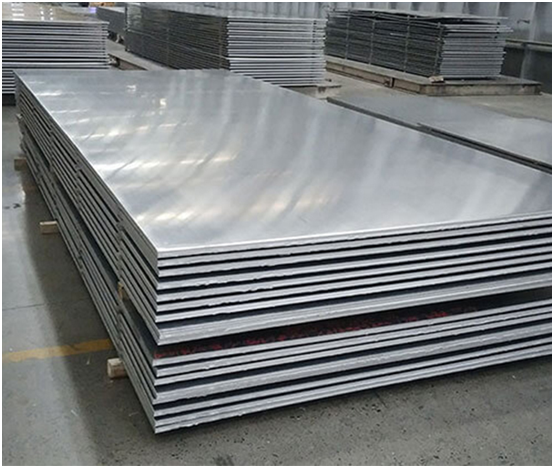
Titanium sheets are flat pieces of titanium metal that are used in various applications due to their lightweight and durable nature. The aerospace and medical industries are the largest consumers of titanium sheets, accounting for a significant portion of the market. The versatility of titanium sheets allows them to be used in a wide range of applications, from structural components in aircraft to intricate parts in medical devices.
The production of titanium sheets involves several processes, including melting, casting, and rolling. These processes require advanced technology and skilled labor, which can contribute to the overall cost of titanium products. However, the benefits of using titanium, such as its strength and resistance to corrosion, often outweigh these costs, making it a preferred choice for many manufacturers. As industries continue to innovate and seek lightweight, durable materials, the demand for titanium sheets is expected to grow.
Titanium's unique properties stem from its atomic structure, which allows it to maintain strength at high temperatures while remaining lightweight. This characteristic is particularly advantageous in aerospace applications, where materials must withstand extreme conditions. In the medical field, titanium's biocompatibility ensures that it can be safely used in the human body, making it ideal for implants and surgical instruments.
The aerospace industry is the largest consumer of titanium sheets, driven by several factors. One of the primary drivers is the increasing air traffic globally. As more people travel by air, airlines are investing in new aircraft to meet this demand. This rise in aircraft production directly correlates with an increased need for lightweight materials like titanium, which help improve fuel efficiency and reduce operational costs.
Technological advancements in aircraft design and manufacturing processes have also made titanium a preferred material for various components. Modern aircraft are designed to be as lightweight as possible to enhance performance and fuel efficiency. Titanium's high strength-to-weight ratio makes it an ideal choice for critical components such as airframes, engine parts, and landing gear. The ability to withstand high temperatures and corrosive environments further solidifies titanium's position in the aerospace sector.
In addition to commercial aviation, the defense sector is another significant consumer of titanium sheets. Military aircraft and vehicles require materials that can withstand extreme conditions while providing maximum performance. Titanium's durability and lightweight properties make it an essential material for military applications, including fighter jets and transport aircraft. As governments worldwide increase their defense budgets, the demand for titanium sheets in this sector is expected to grow.
The aerospace industry is also witnessing a shift towards more sustainable practices. Manufacturers are increasingly focusing on reducing their environmental impact by using materials that are not only lightweight but also recyclable. Titanium's recyclability makes it an attractive option for companies looking to enhance their sustainability efforts. As the industry continues to evolve, the demand for titanium sheets is likely to increase, driven by both performance requirements and environmental considerations.
The medical sector is experiencing a surge in demand for titanium sheets due to several factors. One of the most significant drivers is the rising healthcare investments globally. As countries invest more in healthcare infrastructure and technology, the need for advanced medical devices and implants is increasing. Titanium's unique properties make it an ideal material for these applications, leading to a growing market for titanium sheets in the medical field.
The aging population is another critical factor contributing to the increased demand for titanium in medical applications. As people age, they often require medical procedures that involve implants, such as hip and knee replacements. Titanium's biocompatibility ensures that it can be safely used in the human body, minimizing the risk of rejection and complications. This characteristic has made titanium the material of choice for orthopedic implants, dental implants, and various surgical tools.
In addition to implants, titanium sheets are also used in a wide range of medical devices. Surgical instruments made from titanium are preferred for their strength, lightweight nature, and resistance to corrosion. These properties ensure that surgical tools remain effective and safe for use in various medical procedures. As advancements in medical technology continue to evolve, the demand for titanium sheets in the medical sector is expected to grow.
The medical industry is also witnessing a trend towards personalized medicine, where treatments and devices are tailored to individual patients. This shift is driving the need for innovative manufacturing techniques, such as additive manufacturing or 3D printing, which can produce custom titanium implants and devices. The ability to create patient-specific solutions using titanium further enhances its appeal in the medical field, leading to increased demand for titanium sheets.
Technological advancements are playing a crucial role in shaping the titanium market. One of the most significant innovations is the rise of additive manufacturing, also known as 3D printing. This technology allows manufacturers to create complex geometries and designs that were previously impossible with traditional manufacturing methods. The ability to produce intricate titanium components with minimal waste is revolutionizing the way industries approach production.
Additive manufacturing offers several advantages, including reduced lead times and increased design flexibility. Manufacturers can quickly prototype and produce parts, allowing for faster innovation and development cycles. In the aerospace sector, this technology enables the production of lightweight components that enhance fuel efficiency and performance. In the medical field, additive manufacturing allows for the creation of custom implants and devices tailored to individual patients, improving outcomes and patient satisfaction.
Innovations in alloy development are also enhancing the performance of titanium products. New titanium alloys are being developed to improve strength, corrosion resistance, and overall performance. These advancements are crucial for both aerospace and medical applications, where material properties can significantly impact performance and safety. Manufacturers are investing in research and development to create high-performance titanium alloys that meet the evolving needs of these industries.
Furthermore, advancements in manufacturing processes are improving the efficiency and cost-effectiveness of titanium production. Techniques such as advanced machining and surface treatments are being developed to enhance the performance of titanium components. These innovations not only improve the quality of titanium products but also reduce production costs, making titanium more accessible to a broader range of applications.
The titanium sheet market is projected to grow significantly in the coming years. Several factors contribute to this growth, including increased production of aircraft and expanding medical applications. As air travel continues to rise, the demand for lightweight materials in aircraft manufacturing will also increase. The aerospace industry is expected to remain a dominant force in driving titanium demand, with manufacturers seeking to optimize performance and fuel efficiency.
In the medical sector, the reliance on titanium for implants and surgical tools is expected to grow as healthcare investments increase. The aging population and the prevalence of chronic conditions will continue to drive demand for medical procedures that require titanium-based solutions. As advancements in medical technology progress, the need for innovative titanium applications will further enhance market growth.
Sustainability is becoming a key focus in the titanium industry. Companies are increasingly investing in recycling technologies to reduce waste and lower production costs. The ability to recycle titanium not only benefits the environment but also enhances the economic viability of titanium products. As industries strive to meet sustainability goals, the demand for titanium sheets is likely to increase, driven by both performance requirements and environmental considerations.
The future of titanium demand will also be influenced by global economic trends and geopolitical factors. As countries invest in infrastructure and defense, the demand for titanium in aerospace and military applications is expected to rise. Additionally, the growth of emerging markets will create new opportunities for titanium manufacturers, further expanding the market.
Despite the positive outlook for titanium demand, the industry faces several challenges. One of the main challenges is the high cost of production. The extraction and processing of titanium ore can be expensive, and the manufacturing processes involved in shaping and forming titanium sheets require specialized equipment and expertise. These factors can contribute to the overall cost of titanium products, making them less competitive compared to alternative materials.
Competition from other materials, such as aluminum and composite materials, is another significant challenge for the titanium market. While titanium offers unique properties, other materials are often cheaper and easier to work with. Manufacturers must continuously innovate and demonstrate the advantages of titanium to maintain its position in the market.
Additionally, the titanium industry is subject to fluctuations in raw material prices and supply chain disruptions. Global events, such as trade disputes or natural disasters, can impact the availability and cost of titanium, affecting manufacturers' ability to meet demand. Companies must develop strategies to mitigate these risks and ensure a stable supply of titanium products.
The demand for titanium sheets in the aerospace and medical sectors is on the rise, driven by technological advancements, increasing air traffic, and a growing aging population. As industries continue to innovate and seek lightweight, durable materials, titanium will play a crucial role in shaping the future of aerospace and medical applications. The unique properties of titanium, combined with advancements in manufacturing and sustainability initiatives, position it as a key material for the future.
As we look ahead, the titanium market is poised for significant growth, with opportunities arising from new applications and emerging technologies. By addressing the challenges facing the industry and leveraging advancements in production and design, manufacturers can capitalize on the growing demand for titanium sheets in these vital sectors.
1. What are the main properties of titanium that make it suitable for aerospace applications?
Titanium is known for its high strength-to-weight ratio, corrosion resistance, and ability to withstand extreme temperatures.
2. How is titanium used in the medical field?
Titanium is commonly used for implants, surgical tools, and prosthetics due to its biocompatibility and strength.
3. What technological advancements are impacting the titanium market?
Innovations in additive manufacturing and alloy development are enhancing the efficiency and performance of titanium products.
4. What challenges does the titanium industry face?
The high cost of production and competition from alternative materials are significant challenges for the titanium market.
5. What is the future outlook for titanium demand in aerospace and medical sectors?
The titanium market is expected to grow significantly due to increasing aircraft production and expanding medical applications.


