

Views: 366 Author: Lasting Titanium Publish Time: 2024-11-29 Origin: Site


Content Menu
● Understanding Titanium Tubes
>> Factors Influencing the Cost of Titanium Tubes
>> Current Market Prices for Titanium Tubes
● Applications of Titanium Tubes
Titanium tubes are increasingly popular in various industries due to their unique properties, including high strength, low weight, and excellent corrosion resistance. However, one of the most pressing questions for businesses and individuals considering titanium tubes is:What is the cost of titanium tubes? This article will explore the factors influencing the cost of titanium tubes, their applications, and the market trends that affect pricing. By understanding these elements, potential buyers can make informed decisions regarding their purchases.
Titanium tubes are hollow cylindrical structures made from titanium, a metal known for its strength-to-weight ratio and resistance to corrosion. These tubes are used in a variety of applications, including aerospace, medical devices, chemical processing, and marine environments. The cost of titanium tubes can vary significantly based on several factors, including the grade of titanium, the manufacturing process, and market demand. Understanding the characteristics of titanium and its alloys is crucial for selecting the right type of tube for specific applications.
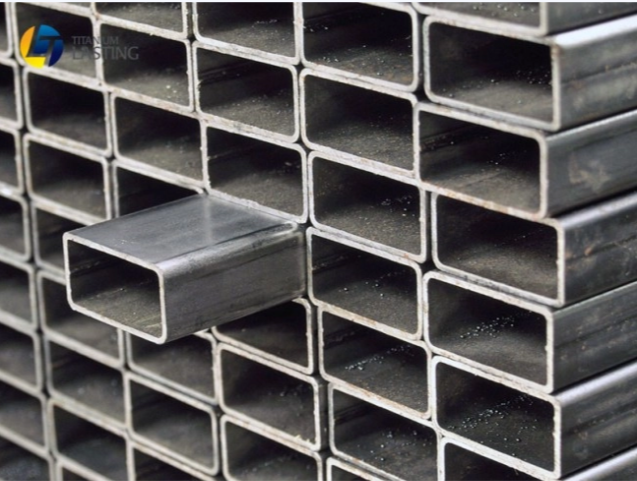
The grade of titanium significantly impacts the cost of titanium tubes. Titanium is available in several grades, each with different properties and applications. The most common grades include:
Grade 1: This is commercially pure titanium, known for its excellent corrosion resistance and formability. It is often used in chemical processing and marine applications, where exposure to harsh environments is common. The purity of Grade 1 titanium allows for easy fabrication and welding, making it a versatile choice for many applications.
Grade 2: Another commercially pure grade, Grade 2 offers a good balance of strength and corrosion resistance, making it suitable for a wide range of applications, including aerospace and medical devices. Its mechanical properties make it a popular choice for structural components that require both durability and lightweight characteristics.
Grade 5 (Ti-6Al-4V): This is an alloyed titanium that provides higher strength and is commonly used in aerospace applications. It is more expensive than the commercially pure grades due to its enhanced properties. Grade 5 titanium is often used in critical applications where high strength-to-weight ratios are essential, such as in aircraft components and high-performance automotive parts.
The higher the grade, the more expensive the titanium tube will be. For instance, Grade 5 titanium tubes can cost significantly more than Grade 2 tubes due to the additional alloying elements and processing required. Buyers should carefully consider the specific requirements of their applications when selecting the appropriate grade.
The method used to manufacture titanium tubes also affects their cost. There are two primary manufacturing processes:
Seamless Tubing: This process involves extruding titanium to create a tube without any seams. Seamless tubes are generally more expensive due to the complexity of the manufacturing process and the higher quality of the final product. The absence of seams reduces the risk of failure under pressure, making seamless tubes ideal for high-stress applications.
Welded Tubing: In this process, flat titanium sheets are welded together to form a tube. Welded tubes are typically less expensive than seamless tubes but may not offer the same level of performance in high-stress applications. The welding process can introduce weaknesses in the material, which may be a concern in critical applications where structural integrity is paramount.
The choice between seamless and welded tubes will depend on the specific requirements of the application, including pressure ratings and corrosion resistance. Understanding the advantages and disadvantages of each manufacturing method is essential for making an informed decision.
The size and dimensions of the titanium tube also play a crucial role in determining its cost. Larger diameter tubes or those with thicker walls will generally be more expensive due to the increased amount of material required and the additional processing involved. Custom sizes and specifications can further increase costs, as they may require specialized manufacturing processes.
When considering the size of titanium tubes, it is important to evaluate the intended application. For example, tubes used in aerospace applications may need to meet specific dimensional tolerances to ensure proper fit and function within the overall system. Additionally, the weight savings achieved by using titanium can be significant, making it a preferred choice for applications where weight is a critical factor.
Like any commodity, the price of titanium tubes is influenced by market demand and supply dynamics. Factors such as global economic conditions, the demand for titanium in various industries, and the availability of raw materials can all impact pricing. For example, during periods of high demand in the aerospace sector, prices for titanium tubes may rise due to increased competition for limited resources.
Market fluctuations can also be influenced by geopolitical factors, trade policies, and advancements in technology. As industries continue to innovate and expand, the demand for titanium tubes is likely to grow, which may lead to price increases. Buyers should stay informed about market trends and consider long-term contracts or bulk purchasing options to mitigate the impact of price volatility.

As of now, the cost of titanium tubes can vary widely based on the factors mentioned above. On average, prices for Grade 2 titanium tubes can range from $30 to $200 per foot, depending on the size and manufacturing process. Grade 5 titanium tubes may cost significantly more, often exceeding $300 per foot for larger sizes.
It is essential for buyers to obtain quotes from multiple suppliers to ensure they are getting a competitive price. Additionally, considering bulk purchasing options can lead to cost savings, as many suppliers offer discounts for larger orders. Establishing a good relationship with suppliers can also provide access to better pricing and availability.
Titanium tubes are utilized in various industries due to their unique properties. Some of the most common applications include:
In the aerospace sector, titanium tubes are used in hydraulic systems, fuel lines, and structural components. Their lightweight nature and high strength make them ideal for reducing overall aircraft weight while maintaining structural integrity. The use of titanium in aerospace applications contributes to improved fuel efficiency and performance, making it a critical material for modern aircraft design.
Titanium is biocompatible, making it an excellent choice for medical implants and devices. Titanium tubes are often used in surgical instruments, dental implants, and orthopedic devices due to their resistance to corrosion and ability to integrate with bone. The use of titanium in medical applications has revolutionized the field, providing patients with durable and reliable solutions for various health issues.
The chemical industry frequently uses titanium tubes in heat exchangers, reactors, and piping systems. Their resistance to corrosion from aggressive chemicals makes them a preferred choice for handling corrosive substances. Titanium's ability to withstand harsh environments ensures the longevity and reliability of equipment used in chemical processing, reducing maintenance costs and downtime.
In marine environments, titanium tubes are used in desalination plants, offshore oil rigs, and shipbuilding. Their ability to withstand harsh saltwater conditions without corroding makes them invaluable in these applications. The use of titanium in marine applications not only enhances the durability of equipment but also contributes to environmental sustainability by reducing the need for frequent replacements.
The automotive industry is increasingly adopting titanium tubes for high-performance vehicles. Their lightweight properties contribute to improved fuel efficiency and performance, making them an attractive option for manufacturers. As the automotive industry shifts towards more sustainable practices, the demand for lightweight materials like titanium is expected to grow, further driving innovation in this sector.
The cost of titanium tubes is influenced by various factors, including the grade of titanium, manufacturing processes, size, and market dynamics. Understanding these factors can help buyers make informed decisions when purchasing titanium tubes for their specific applications. As industries continue to recognize the benefits of titanium, the demand for titanium tubes is likely to grow, potentially impacting future pricing. By staying informed about market trends and supplier options, buyers can navigate the complexities of the titanium tube market effectively.
1. What is the average cost of titanium tubes? The average cost of titanium tubes can range from $30 to $200 per foot for Grade 2 tubes, while Grade 5 tubes may exceed $300 per foot.
2. Why are titanium tubes more expensive than stainless steel? Titanium tubes are more expensive due to the higher cost of raw materials, the complexity of manufacturing processes, and their superior properties, such as corrosion resistance and strength.
3. Can titanium tubes be customized? Yes, titanium tubes can be customized in terms of size, thickness, and grade, but custom orders may incur additional costs.
4. What industries use titanium tubes? Titanium tubes are used in aerospace, medical, chemical processing, marine, and automotive industries due to their unique properties.
5. How can I find suppliers for titanium tubes? You can find suppliers for titanium tubes through online marketplaces, industry directories, and by contacting manufacturers directly for quotes.


