

Views: 389 Author: Lasting Titanium Publish Time: 2025-01-09 Origin: Site


Content Menu
● Understanding Titanium and Its Grades
>> Grade 1
>> Grade 2
>> Grade 7
● Factors Influencing the Cost of Titanium Sheets
● Typical Prices for Titanium Sheets
● Where to Buy Titanium Sheets
● Related Questions and Answers
>> 1. What is the average cost of titanium sheets?
>> 2. How do I choose the right grade of titanium for my project?
>> 3. Can I buy titanium sheets in custom sizes?
>> 4. What industries commonly use titanium sheets?
>> 5. Are there any alternatives to titanium sheets?
Titanium is a remarkable metal known for its strength, lightweight properties, and resistance to corrosion. It is widely used in various industries, including aerospace, medical, and automotive. Understanding the cost of titanium sheets is essential for businesses and individuals looking to utilize this versatile material. This article will explore the factors influencing the price of titanium sheets, the different grades available, and the typical costs associated with purchasing them.
Titanium is categorized into several grades, each with unique properties and applications. The most common grades include:
Grade 1 titanium is commercially pure titanium, known for its excellent corrosion resistance and high ductility. It is often used in chemical processing and marine applications. The cost of Grade 1 titanium sheets is generally lower than that of alloyed grades. This grade is particularly valued in environments where exposure to harsh chemicals is common, making it a preferred choice for industries such as oil and gas, where equipment must withstand corrosive substances. Additionally, its malleability allows for easy fabrication, which can reduce manufacturing costs.
Grade 2 titanium is also commercially pure but has slightly higher strength than Grade 1. It is widely used in applications requiring good weldability and formability, such as in the aerospace and medical fields. The price of Grade 2 titanium sheets is moderate, making it a popular choice for many industries. Its balance of strength and weight makes it ideal for aerospace components, where reducing weight is crucial for fuel efficiency. In the medical field, Grade 2 titanium is often used for surgical instruments and implants due to its biocompatibility and resistance to bodily fluids.
Grade 5 titanium, or Ti-6Al-4V, is an alloy containing 6% aluminum and 4% vanadium. It is known for its high strength-to-weight ratio and is commonly used in aerospace components, medical implants, and high-performance applications. The cost of Grade 5 titanium sheets is higher due to the alloying elements and the processing required. This grade is particularly sought after in the aerospace industry for critical components like turbine blades and airframe structures, where performance and reliability are paramount. Its use in medical implants, such as hip and knee replacements, highlights its importance in advancing healthcare technology.
Grade 7 titanium is an alloy that includes palladium, enhancing its corrosion resistance. It is often used in chemical processing and marine environments. The price of Grade 7 titanium sheets is typically higher than that of Grades 1 and 2. The addition of palladium not only improves corrosion resistance but also increases the material's durability in extreme environments, making it suitable for applications in the chemical industry, where exposure to aggressive chemicals is a concern. Its use in marine applications further emphasizes its ability to withstand harsh conditions, such as saltwater exposure.
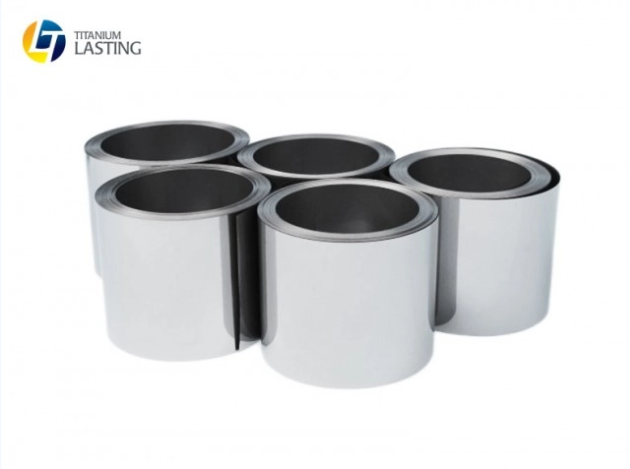
Several factors can affect the price of titanium sheets, including:
The price of titanium is influenced by the cost of raw materials and the global supply chain. Fluctuations in the market can lead to variations in the cost of titanium sheets. The extraction and processing of titanium ore, primarily found in mineral sands, can be affected by geopolitical factors, environmental regulations, and changes in demand from various industries. As a result, the cost of titanium can be volatile, impacting the pricing of finished products like sheets.

The method used to produce titanium sheets can impact their price. Processes such as forging, rolling, and machining require different levels of energy and labor, affecting the final cost. Advanced manufacturing techniques, such as additive manufacturing (3D printing), are becoming more common in the production of titanium components. While these methods can reduce waste and allow for complex geometries, they may also involve higher initial costs due to the technology and expertise required.
The thickness and dimensions of the titanium sheet also play a significant role in determining its price. Thicker sheets or larger dimensions typically cost more due to the increased material and processing requirements. Custom sizes and thicknesses can further increase costs, as they may require specialized equipment and additional labor. Buyers should carefully consider their needs to balance cost and performance.
The demand for titanium in various industries can influence prices. High demand in sectors like aerospace and medical can lead to increased costs for titanium sheets. Economic factors, such as growth in the aerospace sector or advancements in medical technology, can drive demand for titanium, leading to price increases. Conversely, a downturn in these industries can result in lower prices, highlighting the importance of market trends in pricing strategies.
Different suppliers may offer varying prices based on their location, inventory, and business model. It is essential to compare prices from multiple sources to find the best deal. Local suppliers may have advantages in terms of shipping costs and delivery times, while online suppliers might offer a broader selection and competitive pricing. Understanding the supply chain and logistics involved in purchasing titanium sheets can help buyers make informed decisions.
The cost of titanium sheets can vary widely based on the factors mentioned above. As of recent data, here are some typical price ranges for different grades of titanium sheets:
Grade 1 titanium sheets typically range from $20 to $30 per kilogram. This price can vary based on thickness and supplier. The affordability of Grade 1 makes it an attractive option for projects where high strength is not the primary concern, allowing for cost-effective solutions in various applications.
Grade 2 titanium sheets are generally priced between $25 and $35 per kilogram. The cost may increase for thicker sheets or larger sizes. This grade's versatility and balance of properties make it a popular choice for many industries, ensuring that it remains in demand despite fluctuations in pricing.
Grade 5 titanium sheets are more expensive, with prices ranging from $30 to $45 per kilogram. The specific price will depend on the thickness and the supplier's pricing strategy. The investment in Grade 5 titanium is often justified by its superior performance in demanding applications, making it a preferred choice for critical components in aerospace and medical fields.
Grade 7 titanium sheets can cost between $40 and $60 per kilogram, reflecting the added value of the palladium alloying element. The higher cost is often offset by the enhanced performance and longevity of components made from Grade 7 titanium, particularly in corrosive environments.
When looking to purchase titanium sheets, several options are available:
Many online metal suppliers offer a wide range of titanium sheets in various grades and sizes. Websites like Online Metals and Titanium Joe provide easy access to pricing and inventory. Online shopping allows buyers to compare prices and specifications quickly, making it a convenient option for sourcing materials.
Local metal distributors may have titanium sheets in stock. Visiting these suppliers can provide the opportunity to inspect the material before purchasing. Building relationships with local distributors can also lead to better pricing and service, as they may offer insights into the best materials for specific applications.
For specific applications, specialty manufacturers may offer custom titanium sheets tailored to unique requirements. These manufacturers can provide guidance on the best grade and thickness for your needs. Custom solutions can be particularly beneficial for industries with specialized requirements, ensuring that the materials meet exact specifications.
The cost of a sheet of titanium can vary significantly based on several factors, including the grade, thickness, and supplier. Understanding these factors can help you make informed decisions when purchasing titanium sheets for your projects. Whether you need titanium for aerospace applications, medical devices, or industrial uses, knowing the price range and where to buy can save you time and money. As the demand for titanium continues to grow, staying informed about market trends and pricing strategies will be essential for making the best purchasing decisions.
The average cost of titanium sheets ranges from $20 to $60 per kilogram, depending on the grade and thickness.
Consider the specific requirements of your project, such as strength, corrosion resistance, and weldability, to choose the appropriate grade.
Yes, many suppliers offer custom cutting services for titanium sheets to meet specific size requirements.
Titanium sheets are widely used in aerospace, medical, automotive, and chemical processing industries.
Alternatives to titanium sheets include aluminum, stainless steel, and other alloys, depending on the specific application and requirements.


