

Views: 398 Author: Lasting Titanium Publish Time: 2025-01-29 Origin: Site


Content Menu
● Why Use Face Mills for Titanium?
● Types of Face Mills for Titanium
● Best Practices for Machining Titanium with Face Mills
>> 1. Use the Right Cutting Parameters
>> 2. Implement Effective Cooling
● Applications of Face Mills for Titanium
>> 1. What is the best type of face mill for titanium?
>> 2. How do I choose the right cutting parameters for titanium?
>> 3. Why is cooling important when machining titanium?
>> 4. Can face mills be used for other materials besides titanium?
>> 5. What are the signs of tool wear when machining titanium?
Titanium is a remarkable metal known for its high strength-to-weight ratio, corrosion resistance, and ability to withstand extreme temperatures. These properties make it a popular choice in various industries, including aerospace, automotive, and medical. However, machining titanium presents unique challenges due to its toughness and tendency to work harden. This is where face mills specifically designed for titanium come into play. In this article, we will explore the characteristics, types, and applications of face mills for titanium, as well as best practices for their use. Understanding these aspects is crucial for manufacturers looking to optimize their machining processes and achieve superior results.
A face mill is a type of milling cutter used to machine flat surfaces, grooves, and other features on a workpiece. It consists of a circular body with multiple cutting edges, which can be made from various materials, including high-speed steel (HSS) and carbide. Face mills are typically mounted on a milling machine and can be used for both roughing and finishing operations. The design of a face mill allows it to remove material efficiently, making it an essential tool in any machining environment. The versatility of face mills enables them to be used in a wide range of applications, from simple flat surface machining to complex contouring tasks.
1. Multiple Cutting Edges: Face mills have several cutting edges, allowing for efficient material removal and improved surface finish. This design not only enhances productivity but also ensures that the cutting forces are distributed evenly across the tool, reducing the risk of tool failure.
2. Insert Technology: Many modern face mills utilize indexable inserts, which can be replaced when worn, reducing downtime and costs. This feature is particularly beneficial in high-volume production environments where tool changes can significantly impact productivity.
3. Cooling Systems: Effective cooling is crucial when machining titanium to prevent overheating and tool wear. Many face mills are designed to accommodate coolant delivery systems, which help maintain optimal cutting temperatures and prolong tool life.
Machining titanium requires specialized tools due to its unique properties. Face mills designed for titanium offer several advantages:
1. Enhanced Tool Life: Titanium's toughness can lead to rapid tool wear. Face mills with advanced coatings and geometries can significantly extend tool life. Coatings such as titanium nitride (TiN) or titanium aluminum nitride (TiAlN) provide a hard surface that reduces friction and wear, allowing for longer machining times between tool changes.
2. Improved Surface Finish: The right face mill can produce a superior surface finish, which is critical in applications where aesthetics and functionality are paramount. A smooth surface finish can enhance the performance of components, especially in aerospace and medical applications where precision is essential.
3. Versatility: Face mills can be used for various operations, including face milling, slotting, and contouring, making them versatile tools in a machine shop. This adaptability allows manufacturers to use a single tool for multiple tasks, streamlining operations and reducing the need for tool changes.
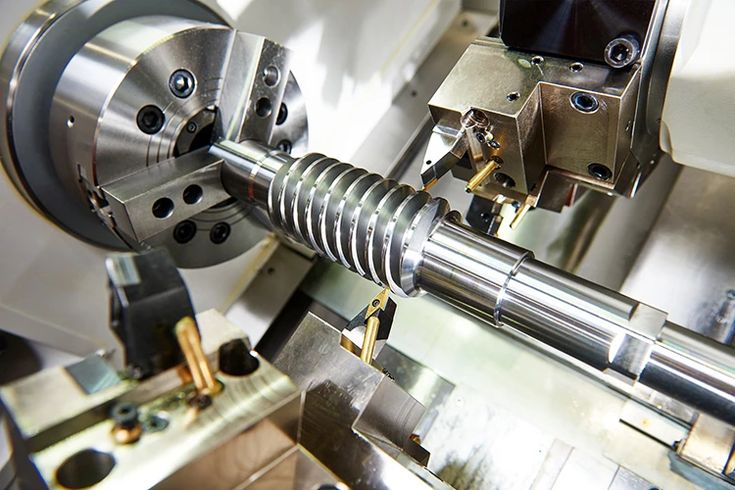
Indexable face mills feature replaceable cutting inserts that can be rotated or changed when worn. This design allows for cost-effective machining, as only the inserts need to be replaced rather than the entire cutter. These mills are available in various geometries and coatings tailored for titanium machining. The ability to quickly change inserts minimizes downtime and maximizes productivity, making indexable face mills a popular choice in high-volume production settings.
Solid face mills are made from a single piece of material, typically carbide. They are robust and can provide excellent performance in titanium machining. However, they may not be as cost-effective as indexable face mills due to the need for complete replacement when worn. Solid face mills are often used in applications where high precision is required, and the cost of tool replacement is justified by the quality of the finished product.
High-feed face mills are designed for high-speed machining operations. They feature a unique geometry that allows for increased feed rates and reduced cutting forces, making them ideal for titanium, which can be challenging to machine at high speeds. These mills can significantly reduce cycle times, making them an attractive option for manufacturers looking to improve efficiency without sacrificing quality.
When machining titanium, it is essential to select the appropriate cutting speed, feed rate, and depth of cut. Generally, lower cutting speeds and higher feed rates are recommended to minimize heat generation and tool wear. Understanding the specific characteristics of the titanium alloy being machined is crucial, as different alloys may require adjustments to these parameters for optimal results.
Using coolant during machining is crucial for dissipating heat and prolonging tool life. Flood cooling or high-pressure coolant systems can be particularly effective when machining titanium. Proper coolant application not only helps maintain tool temperature but also flushes away chips and debris, preventing them from interfering with the cutting process.
Regularly inspecting cutting tools for wear can help prevent unexpected failures and maintain machining quality. Replacing worn inserts promptly can also improve overall efficiency. Implementing a tool monitoring system can provide real-time data on tool performance, allowing for proactive maintenance and reducing the risk of costly downtime.
Using advanced CAM software to optimize tool paths can enhance machining efficiency and reduce cycle times. Strategies such as trochoidal milling can be beneficial for titanium. This technique involves a circular motion that allows for smoother cutting action and reduced cutting forces, which is particularly advantageous when working with tough materials like titanium.
Face mills designed for titanium are used in various applications, including:
- Aerospace Components: Machining parts such as turbine blades, airframes, and landing gear. The aerospace industry demands high precision and reliability, making titanium an ideal choice for critical components.
- Medical Devices: Producing implants and surgical instruments that require high precision and biocompatibility. Titanium's corrosion resistance and strength make it suitable for long-term implantation in the human body.
- Automotive Parts: Manufacturing lightweight components for performance vehicles. The automotive industry increasingly uses titanium to reduce weight and improve fuel efficiency without compromising strength.
Face mills for titanium are essential tools in modern machining, offering the ability to efficiently and effectively work with this challenging material. By understanding the types of face mills available, best practices for their use, and their applications, manufacturers can optimize their machining processes and achieve superior results. As technology continues to advance, the development of new materials and coatings will further enhance the capabilities of face mills, making them even more effective for titanium machining.
Answer: Indexable face mills are often the best choice for titanium due to their replaceable inserts, which can reduce costs and downtime. Their versatility and adaptability to different machining conditions make them ideal for titanium applications.
Answer: It is recommended to use lower cutting speeds and higher feed rates to minimize heat generation and tool wear when machining titanium. Additionally, consulting the manufacturer's guidelines for specific titanium alloys can provide valuable insights into optimal cutting parameters.
Answer: Cooling helps dissipate heat generated during machining, preventing tool wear and maintaining the integrity of the workpiece. Effective cooling also helps remove chips and debris, which can interfere with the cutting process and lead to poor surface finishes.
Answer: Yes, face mills can be used for various materials, including aluminum, steel, and composites, but the specific design and inserts may vary based on the material. Selecting the appropriate tool for each material is essential to achieve the best results.
Answer: Signs of tool wear include changes in surface finish, increased cutting forces, and visible damage to the cutting edges. Regular inspection is crucial to maintain machining quality, and implementing a tool monitoring system can help track tool performance over time.


