
Views: 265 Author: Lasting titanium Publish Time: 2025-10-22 Origin: Site
Content Menu
● The Unique Properties of Titanium
● Applications of Shaanxi Lasting Titanium Round Bars
● Competitive Advantages of Shaanxi Lasting Titanium
● Innovations in Titanium Processing
>> Advanced Manufacturing Techniques
>> Partnerships and Collaborations
>> Q1: What specific titanium alloys does Shaanxi Lasting Titanium offer for round bars?
>> Q2: How does Shaanxi Lasting Titanium ensure traceability of their titanium round bars?
>> Q3: What are the typical lead times for custom orders of Shaanxi Lasting Titanium round bars?
>> Q4: Are Shaanxi Lasting Titanium round bars suitable for high-temperature applications?
>> Q5: What industries benefit the most from using Shaanxi Lasting Titanium round bars?
Shaanxi Lasting Titanium is a prominent manufacturer of titanium round bars, recognized for their exceptional quality and performance across various industries. This article delves into the unique features and advantages of Shaanxi Lasting Titanium round bars, highlighting why they stand out in the global market. With a commitment to innovation and quality, Shaanxi Lasting Titanium has positioned itself as a leader in the titanium industry, catering to the needs of diverse sectors.
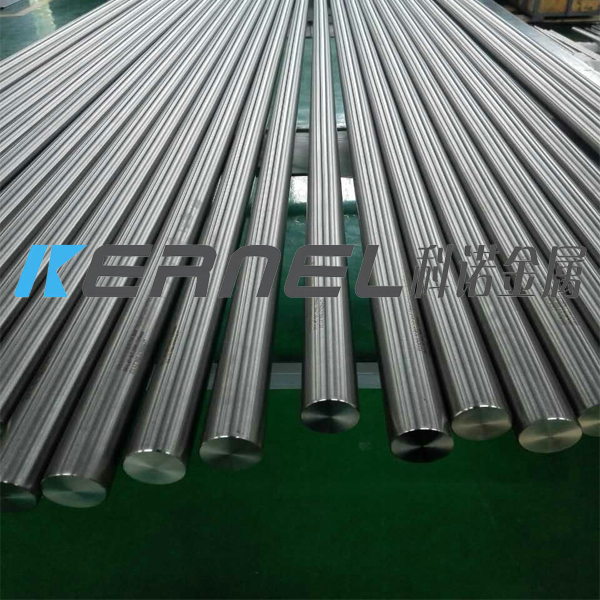
Titanium is renowned for its remarkable strength-to-weight ratio, making it a preferred material in many high-performance applications. It is stronger than steel yet significantly lighter, which is crucial in industries such as aerospace and automotive, where reducing weight can lead to improved fuel efficiency and performance. The inherent strength of titanium allows for the design of thinner, lighter components without compromising structural integrity. This property not only enhances the performance of aircraft and vehicles but also contributes to overall energy savings, making titanium a sustainable choice for manufacturers.
One of the standout features of titanium is its exceptional resistance to corrosion. Titanium round bars can withstand harsh environments, including exposure to saltwater, acids, and other corrosive substances. This makes them suitable for marine applications, chemical processing, and medical devices. The ability of titanium to form a protective oxide layer when exposed to oxygen further enhances its corrosion resistance, ensuring longevity and reliability in demanding conditions. This characteristic is particularly valuable in industries where equipment failure due to corrosion can lead to significant downtime and financial losses.
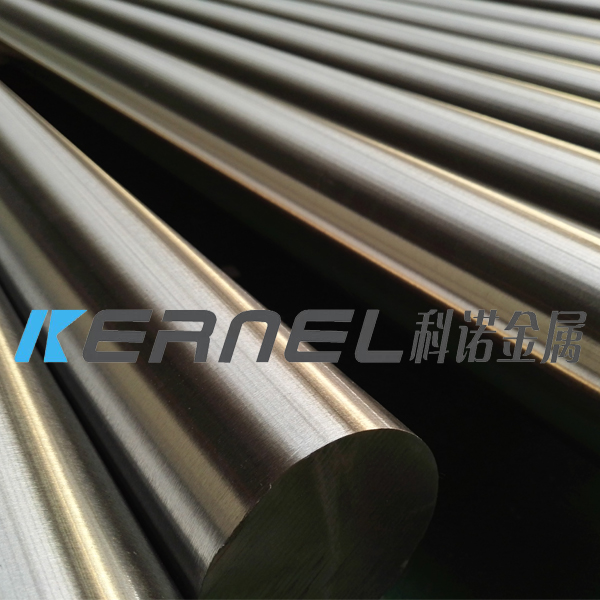
Titanium is biocompatible, meaning it is safe for use in medical applications. Shaanxi Lasting Titanium round bars are often used in surgical implants, dental devices, and other medical equipment, ensuring patient safety and comfort. The biocompatibility of titanium minimizes the risk of adverse reactions in the human body, making it an ideal choice for implants that require long-term stability. This property has led to the widespread adoption of titanium in the medical field, where reliability and safety are paramount.
In the aerospace sector, titanium round bars are used for manufacturing aircraft components, including frames, engine parts, and landing gear. Their lightweight and strong properties contribute to the overall efficiency and safety of aircraft. The use of titanium in aerospace applications not only enhances performance but also reduces fuel consumption, which is a critical factor in the industry's push for sustainability. As airlines and manufacturers seek to lower their carbon footprints, the demand for lightweight materials like titanium continues to grow.
The medical industry benefits significantly from titanium's biocompatibility and corrosion resistance. Shaanxi Lasting Titanium round bars are utilized in various medical devices, such as joint replacements and dental implants, ensuring longevity and reliability. The ability of titanium to integrate seamlessly with human tissue further enhances its appeal in medical applications. As the healthcare sector continues to innovate, the demand for high-quality titanium components is expected to rise, driven by advancements in surgical techniques and implant technologies.
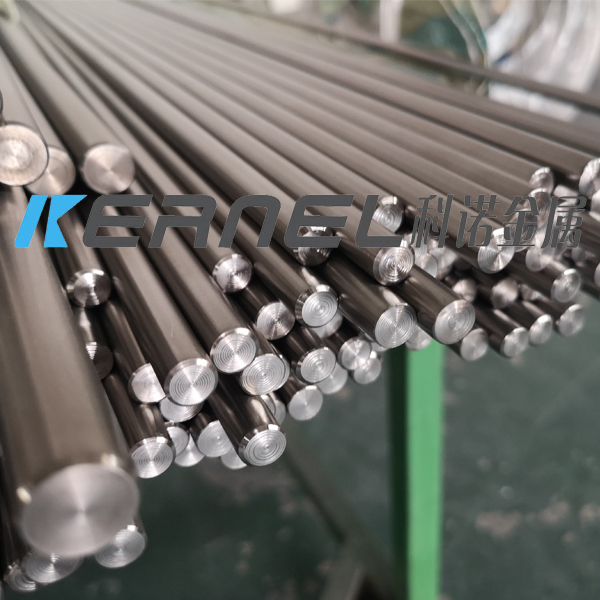
Due to their corrosion resistance, titanium round bars are ideal for marine applications. They are used in shipbuilding, offshore platforms, and underwater systems, providing durability and safety in demanding oceanic conditions. The marine environment poses unique challenges, including exposure to saltwater and biofouling, which can degrade traditional materials. Titanium's resistance to these factors ensures that components maintain their integrity over time, reducing maintenance costs and enhancing the safety of marine operations.
Shaanxi Lasting Titanium adheres to stringent quality control measures, ensuring that every batch of titanium round bars meets international standards. This commitment to quality has earned them a reputation as a trusted supplier worldwide. The company employs advanced testing methods to assess the mechanical properties and chemical composition of their products, ensuring consistency and reliability. By maintaining high standards throughout the manufacturing process, Shaanxi Lasting Titanium can confidently guarantee the performance of their products in critical applications.
The company offers a range of customization options for their titanium round bars, allowing clients to specify dimensions, grades, and finishes according to their unique requirements. This flexibility makes Shaanxi Lasting Titanium a preferred choice for many industries. Whether a client needs a specific diameter, length, or surface finish, the company can accommodate these requests, ensuring that customers receive products tailored to their specific applications. This level of customization not only enhances customer satisfaction but also fosters long-term partnerships with clients.
While titanium may have a higher initial cost compared to other metals, its durability and longevity make it a cost-effective choice in the long run. Shaanxi Lasting Titanium round bars require less frequent replacement, leading to lower overall costs for businesses. Additionally, the reduced maintenance and downtime associated with titanium components contribute to significant savings over time. As industries increasingly focus on total cost of ownership, the economic advantages of using titanium are becoming more apparent.

Shaanxi Lasting Titanium employs advanced manufacturing techniques to produce high-quality titanium round bars. These methods enhance the material properties and ensure consistency in production, making their products stand out in the market. The use of state-of-the-art equipment and processes allows the company to achieve precise tolerances and superior surface finishes, which are critical for applications in aerospace and medical fields. Continuous investment in technology ensures that Shaanxi Lasting Titanium remains competitive in a rapidly evolving industry.
The company invests in research and development to explore new applications and improve existing products. This commitment to innovation keeps Shaanxi Lasting Titanium at the forefront of the titanium industry. By collaborating with research institutions and industry partners, the company is able to stay ahead of market trends and develop solutions that meet the evolving needs of their customers. This proactive approach to R&D not only enhances product offerings but also positions Shaanxi Lasting Titanium as a thought leader in the titanium sector.
Shaanxi Lasting Titanium has established a strong global presence, exporting their products to various countries. Their ability to meet international standards and customer expectations has made them a preferred supplier in the global market. The company has developed a robust distribution network that enables efficient delivery of products to clients around the world. This global reach not only expands their market opportunities but also enhances their reputation as a reliable supplier of high-quality titanium products.
The company collaborates with various industries, including aerospace, medical, and marine, to develop tailored solutions that meet specific needs. These partnerships enhance their market reach and product offerings. By working closely with clients, Shaanxi Lasting Titanium can gain valuable insights into industry trends and customer preferences, allowing them to adapt their products and services accordingly. This collaborative approach fosters innovation and drives mutual success for both the company and its partners.
Shaanxi Lasting Titanium round bars stand out in the global market due to their unique properties, diverse applications, and commitment to quality. Their strength, durability, and corrosion resistance make them an ideal choice for various industries, while their innovative manufacturing techniques and customization options ensure they meet the evolving needs of their clients. As the demand for high-performance materials continues to grow, Shaanxi Lasting Titanium is well-positioned to lead the way in the titanium industry.
A1: Shaanxi Lasting Titanium offers a variety of titanium alloys, including commercially pure titanium grades and titanium alloys such as Ti-6Al-4V, which is widely used in aerospace and medical applications.
A2: The company maintains comprehensive documentation and testing records for each batch of titanium round bars, ensuring complete traceability from raw material sourcing to final product delivery.
A3: Lead times for custom orders can vary based on the complexity of the specifications and current production schedules, but the company typically aims to deliver within a few weeks.
A4: Yes, titanium round bars are suitable for high-temperature applications due to their excellent thermal stability and resistance to oxidation, making them ideal for use in aerospace and industrial settings.
A5: Industries such as aerospace, medical, marine, and chemical processing benefit significantly from using Shaanxi Lasting Titanium round bars due to their unique properties and performance advantages.
Selecting the right piping is vital for chemical plant safety and efficiency. This guide from Shaanxi Lasting New Material Industry Co., Ltd. provides a deep-dive analysis into seamless versus welded titanium pipes, exploring performance, cost, and NDT requirements. Designed for industry professionals, it offers actionable data to help you optimize procurement decisions for high-pressure and corrosive environments.
This in-depth article examines how Vacuum Arc Remelting (VAR) enhances the purity and structural integrity of titanium bars. By detailing the scientific methodology, the limitation regarding alloying, and the critical role of defect elimination (including hard α-inclusions), it serves as a technical resource for global professionals. Learn why VAR is the standard for high-performance sectors such as aerospace and medical engineering, ensuring reliable, defect-free material for mission-critical applications.
This comprehensive analysis compares titanium bars and stainless steel for high-performance racing engines, focusing on strength-to-weight ratios, stiffness, and thermal resilience. Designed for industry professionals, it provides expert guidance on selecting materials for reciprocating versus structural components, backed by engineering data to optimize racing performance, durability, and cost-efficiency.
Discover why AMS 4928 is the gold standard for aerospace titanium bar procurement. This guide explores the technical advantages of Ti-6Al-4V, essential steps for ensuring supply chain traceability and quality compliance, and expert strategies for sourcing high-performance titanium materials.
This guide provides an expert-led analysis on sourcing medical-grade titanium bars for dental implants. It covers critical biocompatibility standards (ASTM/ISO), the importance of surface engineering for osseointegration, and key criteria for selecting high-quality, reliable suppliers.
This article provides an in-depth technical comparison between Grade 5 and Grade 23 titanium alloys for aerospace fastener production. It analyzes their mechanical differences in strength, fatigue resistance, and composition, offering industry-expert insights into why Grade 23 (Ti-6Al-4V ELI) is becoming essential for high-stress, fatigue-critical aerospace applications. The content also addresses practical manufacturing challenges and provides procurement criteria for aerospace engineers and procurement specialists.
his technical report examines the application of titanium pipe fittings in high-pressure environments as of 2026. It highlights the superiority of Grade 5 and Grade 9 titanium alloys as the industrial benchmarks for strength and corrosion resistance. The discussion covers critical design features, including double-ferrule technology and optimized internal geometries, while addressing the integration of smart sensing and the evolution of certification standards. It serves as a comprehensive guide for industry professionals to ensure high-pressure system reliability.
This technical treatise provides an in-depth analysis of the selection and application of premium titanium fasteners in professional motorsport. It explores the critical interplay between metallurgical integrity and manufacturing processes, specifically highlighting the necessity of rolled threads for maximizing fatigue resistance in high-vibration environments. The article details essential engineering protocols, including torque-to-tension calibration, galvanic corrosion mitigation in multi-material assemblies—specifically focusing on the use of aluminum as a sacrificial anode—and rigorous inspection regimes required for structural components. Designed for industry professionals, this content emphasizes how the strategic use of Grade 5 (Ti-6Al-4V) titanium optimizes vehicle dynamics and reliability in the pursuit of performance, ensuring peak structural efficiency in the extreme conditions of modern racing.
This article provides an advanced technical examination of titanium fasteners for professional engineers and procurement specialists. It explores the relationship between titanium metallurgy and mechanical performance, emphasizing the critical role of phase composition and precision manufacturing techniques like thread rolling. The discussion extends to high-temperature stability, modulus considerations, and the mechanical challenges of integrating titanium fasteners within advanced composite assemblies. By focusing on critical performance indicators such as fatigue resistance and surface integrity, this guide serves as a comprehensive reference for ensuring structural reliability in the most demanding aerospace and industrial applications.
This article provides an in-depth analysis of why titanium fasteners are the optimal choice for modern offshore structures. It explores the technical reasons behind titanium's superior performance in marine environments, specifically focusing on its immunity to crevice and pitting corrosion, high strength-to-weight ratio, and exceptional fatigue resistance. The text also delves into critical engineering practices, such as mitigating galvanic corrosion and the long-term economic advantages of reduced subsea maintenance and the prevention of non-productive downtime. This comprehensive overview is intended for industry professionals who prioritize structural integrity and lifecycle efficiency in high-stakes deep-sea applications.
As a company specializing in international trade, Shaanxi Lasting New Material Industry Co.,Ltd. is fully aware of the environmental impact of its business operations. We are committed to fulfilling our environmental responsibilities through transparent data disclosure, proactive emission reduction actions, and forward-looking goals. To comprehensively and clearly demonstrate our carbon footprint, the company has conducted systematic accounting of greenhouse gas (GHG) emissions for the years 2024 and 2025, based on the Greenhouse Gas Protocol.
This article examines the complex economic and technical factors that dictate the pricing of titanium wire in the global market. It identifies the cost of raw titanium sponge, the intensive metallurgical processes—including multiple vacuum-melting stages and precision drawing—as primary drivers of value. The text further explores how regulatory requirements, documentation for traceability, and geopolitical stability influence market volatility. By analyzing these components, the article provides industry professionals with the knowledge to navigate procurement, understand price fluctuations, and evaluate the "assurance premium" inherent in high-end medical and aerospace titanium supplies.
This article provides an in-depth technical examination of the compliance requirements for titanium wire used in medical devices. It analyzes the critical differences between international standards (ASTM and ISO) and emphasizes the paramount importance of material chemistry, specifically the "Extra Low Interstitial" (ELI) designation, for long-term implant success. The text outlines the essential role of trace element control, surface integrity, grain structure management, and the absolute necessity of rigorous documentation for regulatory compliance. Furthermore, it touches upon emerging trends such as β-type titanium alloys and additive manufacturing feedstocks, serving as an essential technical resource for professionals within the high-end medical-grade titanium industry.
Marking a new chapter in our corporate responsibility, Lasting Titanium unveiled its inaugural Greenhouse Gas Emission Reduction Commitment in February 2026. This public announcement represents our formal pledge to address climate change through concrete, accountable actions.
Identifying high-quality titanium wire requires a disciplined approach that combines metallurgical knowledge with strict documentation and physical verification. Buyers must focus on surface integrity, grain structure consistency, and rigorous chemical traceability regarding interstitial elements. By moving beyond price-based procurement and demanding transparent mill logs, microstructural reports, and consistent mechanical testing, industry professionals can mitigate risks and ensure that their supply chain meets the high-performance demands of aerospace, medical, and specialized industrial sectors.
Selecting the optimal titanium tube grade requires a deep understanding of the specific operational stressors—whether chemical corrosion or mechanical load. While Grade 2 remains the universal standard for its balance of performance and availability, advanced grades like Grade 7 and 12 provide specialized solutions for hostile environments, and Grade 5 serves high-stress structural needs. Professional success depends on rigorous adherence to standards like ASTM B338 and ensuring full traceability, guaranteeing that the selected material fulfills the long-term structural and chemical integrity requirements of the application.
Choosing between titanium and nickel alloy sheets is a strategic technical decision. Titanium wins in chloride-rich, oxidizing, and weight-sensitive applications due to its stable passivation and lower density. Nickel alloys dominate in high-temperature, reducing environments where mechanical strength at heat is paramount. Understanding these metallurgical bounds ensures optimal engineering, minimized maintenance, and long-term economic efficiency for industrial stakeholders.
Titanium sheet stands apart in the chemical industry due to its unique combination of self-healing corrosion resistance, high resistance to chloride-induced pitting, and exceptional strength-to-weight ratio. By leveraging advanced grades like Grade 7 and Grade 12, chemical engineers can operate in environments previously considered too hostile for metals. While requiring specialized fabrication, titanium's long-term reliability and low Total Cost of Ownership (TCO) make it an essential strategic material for modern, high-performance chemical infrastructure.
Selecting titanium sheet for medical devices requires a rigorous, multi-faceted engineering approach that balances chemical purity, mechanical strength, and physiological compatibility. By adhering to strict ASTM standards (F67, F136), manufacturers ensure the consistency and safety of their products. Looking forward, the shift toward lower-modulus beta alloys and advanced surface treatments offers promising avenues for reducing stress shielding and improving osseointegration. A robust supply chain, reinforced by thorough material traceability and ISO 13485 certification, remains the final cornerstone for any successful medical device production program.
This article provides an in-depth analysis of titanium pipe fittings for industry professionals. It explores the material’s strategic advantages, common fitting types, grade-specific applications, and essential manufacturing considerations like seamless construction and surface integrity. The content also addresses critical installation practices and lifecycle economics, emphasizing how titanium provides unparalleled reliability in corrosive and high-pressure industrial environments.