

Views: 300 Author: Lasting Titanium Publish Time: 2024-10-20 Origin: Site


Content Menu
● Introduction to Titanium Sheet Stamping
● Understanding the Titanium Advantage
>> Why Choose Titanium Sheets?
● The Titanium Sheet Stamping Process
● Applications of Stamped Titanium Sheet Components
>> Medical Devices and Implants
● Advantages of Titanium Sheet Stamping
>> Cost-Effectiveness in High-Volume Production
>> Enhanced Material Properties
● Challenges in Titanium Sheet Stamping
>> Tooling Wear
● Future Trends in Titanium Sheet Stamping
>> Advanced Simulation and Modeling
>> Integration of Additive Manufacturing
>> Sustainable Manufacturing Practices
Titanium sheet stamping is a sophisticated manufacturing process that has gained significant traction in various industries due to its ability to produce high-quality, complex components with exceptional precision. This innovative technique combines the unique properties of titanium with advanced stamping technologies, resulting in products that boast superior strength, lightweight characteristics, and corrosion resistance. As industries continually seek ways to enhance performance and efficiency, the stamping of titanium sheets has emerged as a game-changing solution, particularly in aerospace, automotive, medical, and consumer electronics sectors.
Titanium is renowned for its remarkable combination of properties that make it an ideal material for numerous applications. Its high strength-to-weight ratio surpasses that of many other metals, including steel and aluminum. This characteristic allows for the creation of lightweight yet incredibly strong components, which is particularly valuable in industries where weight reduction is crucial. Additionally, titanium exhibits excellent corrosion resistance, even in harsh environments, making it suitable for use in marine applications and chemical processing equipment.
The selection of titanium sheets for stamping processes is driven by several factors. Firstly, the material's formability allows for the creation of complex shapes and designs that would be challenging or impossible with other metals. Secondly, the durability of titanium ensures that stamped components have a long service life, reducing the need for frequent replacements. Lastly, the biocompatibility of titanium makes it an excellent choice for medical implants and devices, where interaction with the human body is a critical consideration.
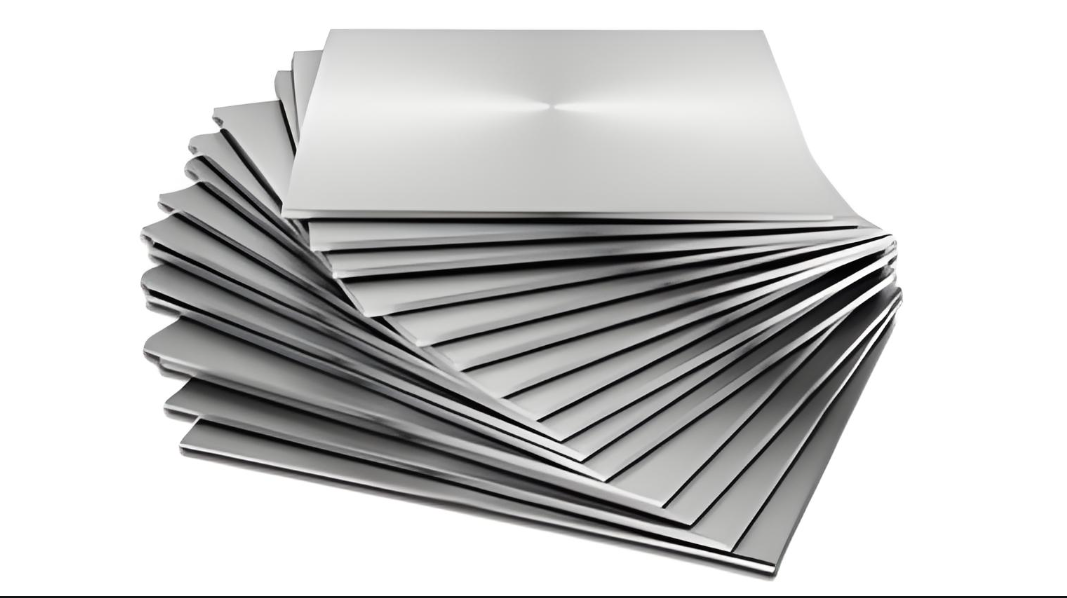
The stamping of titanium sheets begins with meticulous preparation and planning. Engineers and designers work collaboratively to create detailed blueprints and 3D models of the desired components. This stage involves careful consideration of the part's geometry, the properties of the titanium alloy being used, and the specific requirements of the end application. Advanced computer-aided design (CAD) and simulation software are employed to optimize the stamping process and predict potential challenges.
One of the most critical aspects of titanium sheet stamping is the design and fabrication of the stamping dies. These tools must be crafted with extreme precision to ensure the accuracy and consistency of the final product. Due to titanium's unique properties, die materials and coatings are carefully selected to withstand the high stresses and temperatures involved in the stamping process. Hardened tool steels and advanced surface treatments are often utilized to extend die life and maintain part quality over extended production runs.
The actual stamping operation involves placing a titanium sheet into a press equipped with the custom-designed dies. The press applies tremendous force to shape the titanium sheet into the desired form. Unlike stamping processes for softer metals, titanium sheet stamping often requires specialized techniques to overcome the material's high strength and resistance to deformation. These may include hot stamping, where the titanium is heated to increase its malleability, or multi-stage stamping processes that gradually form the material into complex shapes.
After the stamping process, titanium components often undergo additional treatments to enhance their properties or appearance. These may include heat treatments to relieve internal stresses, surface finishing to improve aesthetics or functionality, and quality control inspections to ensure compliance with stringent industry standards. The post-stamping phase is crucial in realizing the full potential of titanium-stamped parts and meeting the exacting requirements of modern manufacturing.
The aerospace sector has been at the forefront of adopting titanium sheet stamping technology. Aircraft manufacturers utilize stamped titanium components in various applications, from structural elements to engine parts. The ability to create lightweight, high-strength components through stamping has contributed to the development of more fuel-efficient and performant aircraft. Examples include titanium fasteners, brackets, and complex airframe structures that benefit from the material's excellent strength-to-weight ratio and resistance to fatigue.
As the automotive industry strives for greater fuel efficiency and performance, stamped titanium sheet components have found their way into high-end and performance vehicles. Titanium exhaust systems, suspension components, and even body panels are being produced using advanced stamping techniques. These parts offer significant weight savings without compromising on strength or durability, contributing to improved vehicle dynamics and reduced emissions.
The biocompatibility and corrosion resistance of titanium make it an ideal material for medical applications. Stamped titanium sheets are used to create a wide range of medical devices and implants, including orthopedic prostheses, dental implants, and surgical instruments. The ability to stamp titanium into precise shapes allows for the creation of custom-fit implants that closely mimic natural anatomical structures, improving patient outcomes and quality of life.
In the realm of consumer electronics, stamped titanium components are prized for their strength, lightweight properties, and aesthetic appeal. High-end smartphones, laptops, and wearable devices often incorporate titanium elements in their chassis or external components. These parts not only provide durability and scratch resistance but also contribute to the premium look and feel of the devices.
One of the primary advantages of stamping titanium sheets is the ability to produce highly precise and consistent parts. The controlled nature of the stamping process, combined with advanced die design and manufacturing techniques, ensures that each component meets exact specifications. This level of precision is crucial in industries where tolerances are measured in microns and part-to-part consistency is paramount.
While the initial setup costs for titanium sheet stamping can be significant, the process becomes highly cost-effective in high-volume production scenarios. Once the dies and processes are optimized, stamping allows for rapid production of complex parts with minimal material waste. This efficiency translates to lower per-unit costs, making titanium components more accessible for a wider range of applications.
Stamping technology offers remarkable design flexibility when working with titanium sheets. Engineers can create components with intricate geometries, including deep draws, tight radii, and complex contours that would be challenging or impossible to achieve with traditional machining methods. This flexibility opens up new possibilities for product design and innovation across various industries.
The stamping process can actually enhance certain properties of titanium sheets. For example, work hardening during stamping can increase the strength of the material in specific areas of the component. Additionally, the controlled deformation of the titanium sheet can be used to create parts with optimized grain structures, further improving their mechanical properties.
One of the primary challenges in titanium sheet stamping is the high cost of the raw material. Titanium is significantly more expensive than steel or aluminum, which can impact the overall cost of the final product. However, the long-term benefits of using titanium, such as increased durability and reduced maintenance, often outweigh the initial investment.
The high strength of titanium can lead to accelerated wear on stamping dies and tools. This necessitates the use of advanced tool materials and coatings, as well as more frequent tool maintenance and replacement. Manufacturers must carefully balance tool life with production efficiency to optimize the stamping process.
Titanium exhibits significant springback after stamping, which can make it challenging to achieve precise final dimensions. Additionally, the material's limited formability at room temperature can restrict the complexity of shapes that can be stamped in a single operation. Overcoming these challenges often requires sophisticated die design, multi-stage stamping processes, or the use of hot stamping techniques.
During the stamping process, titanium can generate significant heat due to its low thermal conductivity. This heat buildup can affect the material's properties and the quality of the stamped part. Proper heat management strategies, such as controlled cooling and lubrication, are essential to maintain part quality and tool life.
The future of titanium sheet stamping lies in the development of more sophisticated simulation and modeling tools. These advanced software solutions will enable manufacturers to predict and optimize the stamping process with unprecedented accuracy, reducing development time and costs while improving part quality.
The combination of titanium sheet stamping with additive manufacturing technologies is an exciting frontier. Hybrid processes that incorporate 3D printing with traditional stamping could allow for the creation of even more complex and customized titanium components, pushing the boundaries of what is possible in manufacturing.
As environmental concerns become increasingly important, the titanium sheet stamping industry is likely to focus on developing more sustainable practices. This may include improved material utilization, energy-efficient stamping processes, and the development of recycling techniques for titanium scrap generated during the stamping process.
As the benefits of titanium sheet stamping become more widely recognized, we can expect to see the technology adopted in new industries and applications. From renewable energy components to advanced sporting equipment, the unique properties of stamped titanium sheets will continue to find new and innovative uses.
Stamping titanium sheets represents a significant advancement in manufacturing technology, offering a unique combination of precision, efficiency, and material performance. As industries continue to demand lighter, stronger, and more complex components, the role of titanium sheet stamping in modern manufacturing is set to grow. By addressing current challenges and embracing future innovations, this technology will undoubtedly play a crucial role in shaping the products of tomorrow, from aerospace marvels to life-saving medical devices.


