

Views: 295 Author: Lasting Titanium Publish Time: 2025-04-03 Origin: Site


Content Menu
● Understanding Titanium Threaded Bars
>> What Are Titanium Threaded Bars?
>> Advantages of Titanium Threaded Bars
>> Cost Considerations for Titanium Threaded Bars
>> Advantages of Tantalum Bars
>> Cost Considerations for Tantalum Bars
● Comparing Cost-Effectiveness
>> Application-Specific Considerations
>> 1. What are the main differences between titanium and tantalum?
>> 2. Are titanium threaded bars suitable for marine applications?
>> 3. How does the cost of titanium compare to tantalum?
>> 4. Can titanium threaded bars be used in medical applications?
>> 5. What factors influence the cost of titanium threaded bars?
In the world of engineering and construction, the choice of materials can significantly impact the performance, durability, and cost of a project. Among the various materials available, titanium threaded bars and tantalum bars are two options that stand out due to their unique properties. This article will explore the cost-effectiveness of titanium threaded bars compared to tantalum bars, examining their characteristics, applications, and overall value in various industries.
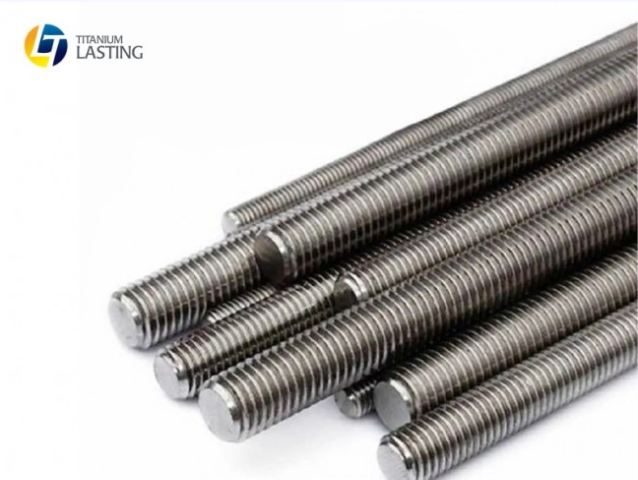
Titanium threaded bars are cylindrical rods made from titanium, a metal known for its high strength-to-weight ratio, excellent corrosion resistance, and ability to withstand extreme temperatures. These bars are often used in applications where strength and durability are critical, such as in aerospace, marine, and medical industries. The manufacturing process of titanium threaded bars typically involves forging or machining titanium alloys, which enhances their mechanical properties and ensures precision in dimensions. This precision is crucial in applications where exact specifications are required, such as in structural components and fasteners.
1. Corrosion Resistance: Titanium is highly resistant to corrosion, making it ideal for use in harsh environments, including marine and chemical applications. This resistance is due to the formation of a protective oxide layer on the surface of titanium, which prevents further oxidation and degradation. As a result, titanium threaded bars can maintain their integrity and performance over extended periods, reducing the need for frequent replacements.
2. Strength-to-Weight Ratio: Titanium has a superior strength-to-weight ratio compared to many other metals, allowing for lighter structures without compromising strength. This characteristic is particularly beneficial in aerospace applications, where reducing weight can lead to significant fuel savings and improved efficiency. Engineers often choose titanium threaded bars to create lightweight yet robust components that can withstand high stress and loads.
3. Biocompatibility: Titanium is biocompatible, making it suitable for medical implants and devices. Its compatibility with human tissue minimizes the risk of rejection and complications, which is crucial in surgical applications. Titanium threaded bars are commonly used in orthopedic implants, dental fixtures, and other medical devices, where reliability and safety are paramount.
4. Temperature Resistance: Titanium can withstand high temperatures, making it suitable for applications in aerospace and automotive industries. Its ability to maintain mechanical properties at elevated temperatures allows for its use in components exposed to extreme heat, such as engine parts and exhaust systems. This thermal stability ensures that titanium threaded bars perform reliably under demanding conditions.
While titanium threaded bars offer numerous advantages, they also come with a higher price tag compared to other materials. The cost of titanium can vary based on factors such as the grade of titanium, the diameter and length of the bars, and market demand. For instance, Grade 5 titanium (Ti-6Al-4V) is more expensive than Grade 2 titanium due to its enhanced properties. Additionally, the manufacturing processes involved in producing titanium threaded bars, such as forging and machining, can contribute to higher production costs. However, the long-term benefits of using titanium, such as reduced maintenance and increased durability, often justify the initial investment.
Tantalum bars are made from tantalum, a rare metal known for its exceptional resistance to corrosion and high melting point. Tantalum is often used in applications that require high reliability and performance, such as in electronics, aerospace, and chemical processing. The extraction and processing of tantalum are complex due to its rarity, which adds to the overall cost of tantalum bars. Despite these challenges, tantalum's unique properties make it a valuable material in specialized applications.
1. Corrosion Resistance: Tantalum is one of the most corrosion-resistant metals, making it ideal for use in aggressive chemical environments. Its ability to withstand a wide range of acids and alkalis without degrading ensures that tantalum bars maintain their structural integrity even in harsh conditions. This property is particularly advantageous in chemical processing industries, where equipment is often exposed to corrosive substances.
2. High Melting Point: Tantalum has a high melting point, which allows it to maintain its integrity at elevated temperatures. This characteristic makes tantalum bars suitable for applications in high-temperature environments, such as furnace components and aerospace applications. The ability to perform under extreme conditions is a significant advantage for industries that require materials to withstand thermal stress.
3. Electrical Conductivity: Tantalum is an excellent conductor of electricity, making it valuable in electronic applications. It is commonly used in capacitors and other electronic components due to its ability to maintain performance under varying conditions. The demand for tantalum in the electronics industry has increased, further driving its market value.
Tantalum is significantly more expensive than many other metals, including titanium. The rarity of tantalum and the complexity of its extraction and processing contribute to its high cost. Additionally, the demand for tantalum in the electronics industry can further drive up prices. While tantalum bars offer exceptional performance in specific applications, their high cost can be a limiting factor for widespread use in less demanding environments.
When comparing the initial costs of titanium threaded bars and tantalum bars, titanium generally offers a more cost-effective solution. While both materials are expensive, titanium is more widely available and has a lower market price compared to tantalum. The cost difference can be significant, especially for large-scale projects where multiple bars are required. This initial cost advantage makes titanium threaded bars a preferred choice for many engineers and project managers.
1. Durability and Maintenance: Titanium threaded bars, due to their corrosion resistance and strength, often require less maintenance over time compared to tantalum bars. This can lead to lower long-term costs in applications where maintenance is a significant concern. For instance, in marine environments, the longevity of titanium components can result in substantial savings on repairs and replacements.
2. Performance in Harsh Environments: In environments where corrosion is a major issue, titanium may outperform tantalum in terms of longevity and reliability, potentially reducing replacement costs. The ability of titanium threaded bars to withstand harsh conditions without significant degradation makes them a more economical choice in the long run.
The choice between titanium threaded bars and tantalum bars can also depend on the specific application. For instance, in aerospace applications where weight is a critical factor, titanium's lighter weight may provide a significant advantage. Engineers often prioritize materials that can reduce overall weight while maintaining structural integrity. Conversely, in chemical processing environments where extreme corrosion resistance is required, tantalum may be the better choice despite its higher cost. Understanding the specific requirements of each project is essential for making an informed decision.
In conclusion, while both titanium threaded bars and tantalum bars have their unique advantages and applications, titanium threaded bars generally offer a more cost-effective solution for a wide range of industries. Their superior strength-to-weight ratio, corrosion resistance, and lower initial costs make them an attractive option for many engineering applications. However, the specific requirements of each project should always be considered when making a material choice. Ultimately, the decision should balance initial costs with long-term performance and maintenance considerations.
Titanium is lighter and has a higher strength-to-weight ratio, while tantalum is denser and offers superior corrosion resistance. The choice between them depends on the specific application requirements, such as weight constraints or exposure to corrosive environments.
Yes, titanium threaded bars are highly resistant to corrosion, making them ideal for marine environments. Their durability ensures that they can withstand the harsh conditions often found in oceanic applications.
Titanium is generally less expensive than tantalum, making it a more cost-effective option for many applications. The price difference can be significant, especially for large-scale projects.
Yes, titanium is biocompatible and is commonly used in medical implants and devices. Its safety and reliability make it a preferred choice in the medical field.
The cost of titanium threaded bars can be influenced by the grade of titanium, the size of the bars, and market demand. Additionally, the manufacturing processes involved in producing these bars can also affect their pricing.


