

Views: 360 Author: Lasting Titanium Publish Time: 2025-03-15 Origin: Site


Content Menu
● Introduction to Titanium and Copper
>> Copper Bars
>> Weight
● Applications in Electrical Systems
>> Use of Titanium Threaded Bars
● Advantages and Disadvantages
>> Advantages of Titanium Threaded Bars
>> Disadvantages of Titanium Threaded Bars
>> Disadvantages of Copper Bars
>> 1. What is the primary advantage of using titanium threaded bars over copper bars?
>> 2. Why is copper preferred for electrical applications?
>> 3. Are titanium threaded bars more expensive than copper bars?
>> 4. Can titanium threaded bars be used in electrical applications?
>> 5. How does the weight of titanium compare to copper?
In the realm of electrical applications, the choice of materials is crucial for ensuring efficiency, durability, and safety. Among the various materials available, titanium threaded bars and copper bars are two prominent options. This article delves into the properties, advantages, and disadvantages of titanium threaded bars compared to copper bars, particularly in electrical applications. By exploring these materials in depth, we can better understand their roles and implications in modern engineering.
Titanium is a transition metal known for its high strength-to-weight ratio, corrosion resistance, and biocompatibility. Titanium threaded bars are often used in applications where strength and resistance to harsh environments are critical. They are particularly valued in aerospace, medical, and marine applications due to their lightweight nature and resistance to corrosion. The unique properties of titanium stem from its ability to form a stable oxide layer, which protects it from environmental degradation. This makes titanium an ideal choice for applications that require long-term reliability and performance under extreme conditions.
Copper, on the other hand, is a highly conductive metal, making it the material of choice for electrical wiring and components. Copper bars are widely used in electrical applications due to their excellent electrical conductivity, thermal conductivity, and malleability. They are commonly found in busbars, connectors, and other electrical components. The historical significance of copper in electrical applications cannot be overstated; it has been the backbone of electrical infrastructure for decades, providing a reliable means of power transmission. Its ability to be easily shaped and joined with other materials further enhances its utility in various electrical systems.
One of the most significant differences between titanium and copper is their electrical conductivity. Copper is renowned for its superior conductivity, which is approximately 59.6 x 10^6 S/m. In contrast, titanium has a much lower conductivity, around 2.38 x 10^6 S/m. This means that for electrical applications, copper bars are generally more efficient in conducting electricity than titanium threaded bars. The high conductivity of copper allows for minimal energy loss during transmission, making it the preferred choice for power distribution systems. In contrast, titanium's lower conductivity limits its use in applications where efficient electrical conduction is paramount.
Titanium threaded bars excel in terms of strength and durability. They are significantly stronger than copper, with a tensile strength of about 434 MPa compared to copper's 210 MPa. This makes titanium an excellent choice for applications that require high strength and resistance to deformation under load. Additionally, titanium's resistance to corrosion makes it suitable for harsh environments where copper might corrode over time. The combination of strength and durability means that titanium threaded bars can withstand extreme conditions, including high temperatures and aggressive chemicals, without compromising their structural integrity.
Titanium is lighter than copper, which can be a crucial factor in applications where weight is a concern. For instance, in aerospace applications, the reduced weight of titanium threaded bars can lead to significant improvements in fuel efficiency and overall performance. The lightweight nature of titanium allows for the design of more efficient structures that do not sacrifice strength. This is particularly important in industries where every gram counts, such as aerospace and automotive engineering, where reducing weight can lead to enhanced performance and lower operational costs.
Titanium's corrosion resistance is one of its standout features. It forms a protective oxide layer that prevents further corrosion, making it ideal for use in marine and chemical environments. Copper, while resistant to corrosion in many situations, can tarnish and corrode when exposed to certain elements, such as moisture and sulfur. This susceptibility to corrosion can lead to failures in electrical systems, where reliability is critical. The ability of titanium to maintain its integrity in corrosive environments makes it a valuable material for applications that require long-term durability and performance.
Copper bars are extensively used in electrical systems due to their excellent conductivity. They are commonly found in:
- Busbars: Used to distribute electrical power in substations and electrical panels. Busbars made of copper can handle high currents and are essential for efficient power distribution.
- Connectors: Essential for joining different electrical components. Copper connectors ensure reliable electrical connections, minimizing resistance and heat generation.
- Grounding Systems: Copper bars are often used for grounding due to their conductivity and reliability. Grounding systems are critical for safety, preventing electrical shock and equipment damage.
The versatility of copper bars in various electrical applications highlights their importance in modern electrical engineering. Their ability to be easily fabricated and joined with other materials makes them indispensable in creating efficient and reliable electrical systems.
While titanium threaded bars are not typically used for electrical conduction, they can be beneficial in specific applications where strength and corrosion resistance are paramount. For example:
- Mounting Hardware: In environments where corrosion is a concern, titanium threaded bars can be used to secure electrical components. Their strength ensures that components remain securely fastened, even under extreme conditions.
- Structural Supports: In high-stress applications, titanium can provide the necessary support without adding excessive weight. This is particularly important in applications such as telecommunications towers and wind turbines, where structural integrity is critical.
The use of titanium threaded bars in these applications demonstrates their unique advantages, particularly in environments where traditional materials may fail.

1. High Strength: Titanium's strength makes it suitable for applications requiring robust support. This strength allows for the design of lighter structures without compromising safety.
2. Corrosion Resistance: Ideal for use in harsh environments where copper may fail. Titanium's ability to resist corrosion extends the lifespan of components and reduces maintenance costs.
3. Lightweight: Reduces overall weight in applications where every gram counts. This lightweight property can lead to improved performance and efficiency in various applications.
1. Poor Electrical Conductivity: Not suitable for applications requiring efficient electrical conduction. This limitation restricts the use of titanium in traditional electrical applications.
2. Higher Cost: Titanium is generally more expensive than copper, which can be a limiting factor for some applications. The cost of titanium can impact project budgets, especially in large-scale applications.
3. Difficult to Machine: Titanium can be challenging to work with due to its hardness. This difficulty can lead to increased manufacturing costs and longer lead times for production.
1. Excellent Electrical Conductivity: The best choice for electrical applications. Copper's high conductivity ensures efficient power transmission with minimal energy loss.
2. Cost-Effective: Generally less expensive than titanium. The lower cost of copper makes it a more accessible option for many projects.
3. Ease of Machining: Copper is easier to work with, allowing for more intricate designs. This ease of fabrication enables engineers to create complex components that meet specific requirements.
1. Corrosion Susceptibility: Can corrode in certain environments, leading to potential failures. This susceptibility can result in increased maintenance and replacement costs.
2. Weight: Heavier than titanium, which can be a disadvantage in weight-sensitive applications. The added weight of copper can impact the overall design and performance of structures.
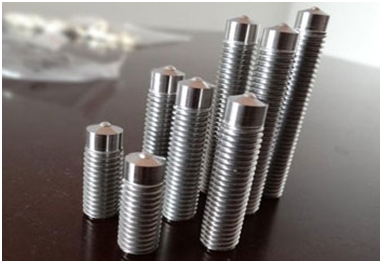
In summary, the choice between titanium threaded bars and copper bars in electrical applications largely depends on the specific requirements of the application. Copper bars are the preferred choice for electrical conductivity, while titanium threaded bars offer advantages in strength and corrosion resistance. Understanding the properties and applications of each material is essential for making informed decisions in engineering and design. As technology advances, the exploration of new materials and composites may further enhance the capabilities of both titanium and copper in electrical applications.
Answer: The primary advantage of titanium threaded bars is their high strength and excellent corrosion resistance, making them suitable for harsh environments where traditional materials may fail.
Answer: Copper is preferred for electrical applications due to its superior electrical conductivity, which allows for efficient power transmission with minimal energy loss.
Answer: Yes, titanium threaded bars are generally more expensive than copper bars, which can be a consideration in budget-sensitive projects.
Answer: While titanium threaded bars can be used in electrical applications for structural support and mounting, they are not suitable for conducting electricity due to their lower conductivity.
Answer: Titanium is lighter than copper, which can be advantageous in applications where weight reduction is critical, such as in aerospace and automotive engineering.


