

Views: 320 Author: Lasting Titanium Publish Time: 2024-12-25 Origin: Site


Content Menu
● Understanding Titanium Disc Bolts
>> What Are Titanium Disc Bolts?
>> The Composition of Titanium
● Benefits of Using Titanium Disc Bolts
● Applications of Titanium Disc Bolts
>> Cycling
>> Aerospace
● Choosing the Right Titanium Disc Bolts
● Installation and Maintenance of Titanium Disc Bolts
>> Maintenance
● Common Questions About Titanium Disc Bolts
>> 1. Are titanium disc bolts worth the investment?
>> 2. How do titanium disc bolts compare to steel bolts?
>> 3. Can I use titanium disc bolts on any vehicle or bike?
>> 4. Do titanium disc bolts require special tools for installation?
>> 5. How long do titanium disc bolts last?
Titanium disc bolts are a crucial component in various applications, particularly in the automotive and cycling industries. These bolts are designed to secure disc rotors to wheels, ensuring that the braking system functions effectively. The importance of reliable braking cannot be overstated, as it directly impacts safety and performance. In this article, we will explore the characteristics, benefits, and applications of titanium disc bolts, as well as address common questions surrounding their use.
Titanium disc bolts are fasteners made from titanium, a metal known for its high strength-to-weight ratio, corrosion resistance, and durability. These bolts are typically used in high-performance vehicles and bicycles, where reducing weight without compromising strength is essential. The most common type of titanium used for these bolts is Grade 5 titanium, which is an alloy of titanium, aluminum, and vanadium. This specific alloy is favored for its excellent mechanical properties, making it suitable for demanding applications where reliability is critical.
Titanium is a transition metal that is both lightweight and strong. It is resistant to corrosion, making it ideal for use in environments that may expose it to moisture and other corrosive elements. The alloying elements in Grade 5 titanium enhance its mechanical properties, making it suitable for demanding applications. The unique properties of titanium stem from its atomic structure, which allows it to maintain strength at high temperatures while remaining lightweight. This makes titanium an ideal choice for applications in extreme conditions, such as racing or off-road cycling.
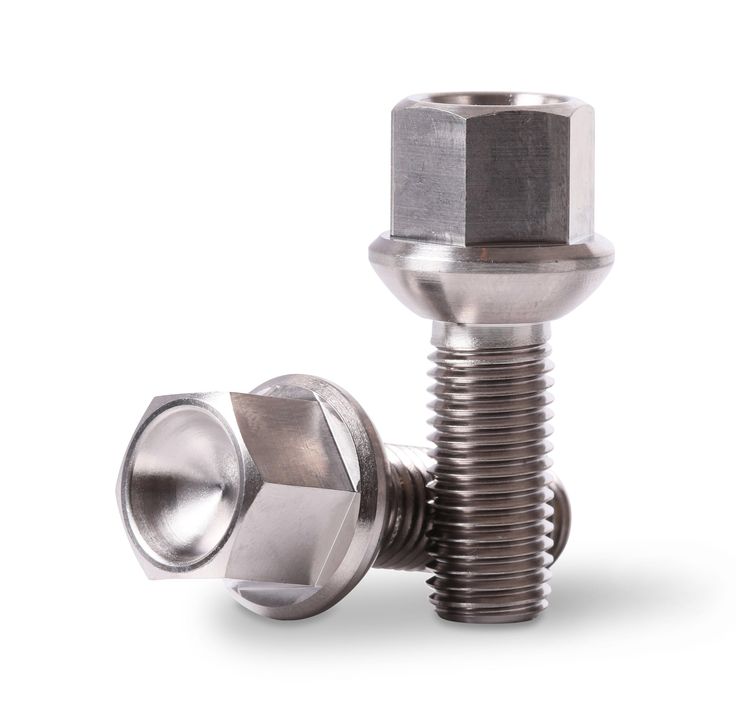
One of the primary advantages of titanium disc bolts is their lightweight nature. Compared to traditional steel bolts, titanium bolts can reduce the overall weight of a vehicle or bicycle significantly. This weight reduction is particularly beneficial in racing and performance applications, where every gram counts. For instance, in competitive cycling, lighter components can lead to improved acceleration and climbing performance, giving riders a competitive edge. Additionally, reducing weight can enhance fuel efficiency in vehicles, making titanium bolts an attractive option for automotive manufacturers focused on performance and sustainability.
Titanium's natural resistance to corrosion means that titanium disc bolts can withstand harsh environmental conditions without rusting or degrading. This property extends the lifespan of the bolts and reduces the need for frequent replacements. In applications where exposure to moisture, salt, or chemicals is common, such as marine environments or winter driving conditions, titanium bolts provide a reliable solution. This durability not only saves money on maintenance and replacements but also contributes to the overall reliability of the braking system.
Titanium disc bolts are incredibly strong, providing excellent tensile strength and fatigue resistance. This strength ensures that the bolts can withstand the high forces experienced during braking without failing. The ability of titanium to absorb and dissipate energy makes it an ideal material for components subjected to repeated stress. In high-performance scenarios, such as motorsports, the reliability of every component is crucial, and titanium disc bolts offer peace of mind for drivers and teams alike.
Titanium has a distinctive metallic finish that many find visually appealing. For enthusiasts looking to enhance the appearance of their vehicles or bicycles, titanium disc bolts offer a stylish upgrade over standard bolts. The sleek look of titanium can complement the design of high-end vehicles and custom bicycles, making them not just functional but also a statement of style. Many manufacturers offer titanium bolts in various finishes and colors, allowing users to personalize their setups further.
In the automotive sector, titanium disc bolts are commonly used in high-performance vehicles, including sports cars and racing cars. These bolts help secure brake rotors to the wheel hubs, ensuring optimal braking performance. The lightweight nature of titanium contributes to improved handling and acceleration. In motorsports, where every millisecond counts, the use of titanium components can make a significant difference in performance. Additionally, as automotive technology evolves towards lighter materials for better fuel efficiency, titanium disc bolts are becoming increasingly popular among manufacturers and enthusiasts alike.
In the cycling world, titanium disc bolts are favored by competitive cyclists and mountain bikers. The reduction in weight can lead to better climbing performance and overall speed. Additionally, the corrosion resistance of titanium is beneficial for cyclists who ride in wet or muddy conditions. Many high-end bicycles now come equipped with titanium components, reflecting a growing trend towards lightweight and durable materials. Cyclists often report improved performance and handling when using titanium bolts, making them a preferred choice for serious riders.
Titanium is widely used in the aerospace industry due to its strength and lightweight properties. While titanium disc bolts are not as common in this field, they can be found in specific applications where weight savings are critical. Aerospace engineers often seek materials that can withstand extreme conditions while minimizing weight, making titanium an attractive option. The use of titanium in aerospace applications highlights its versatility and reliability across various industries.

When selecting titanium disc bolts, it is essential to consider the size and specifications required for your application. Common sizes include M6, M8, and M10, with varying lengths and thread pitches. Always refer to the manufacturer's guidelines to ensure compatibility. Using the correct size is crucial for maintaining the integrity of the braking system, as improperly sized bolts can lead to failure or reduced performance. Additionally, understanding the specific requirements of your vehicle or bicycle will help you make an informed decision.
Not all titanium bolts are created equal. It is crucial to choose bolts from reputable manufacturers who adhere to industry standards. Look for certifications that guarantee the quality and performance of the bolts. High-quality titanium bolts undergo rigorous testing to ensure they meet safety and performance standards. Investing in certified products can prevent potential failures and enhance the overall reliability of your braking system.
While titanium disc bolts offer numerous benefits, they can be more expensive than traditional steel bolts. It is essential to weigh the performance advantages against the cost when making a decision. For many enthusiasts, the benefits of reduced weight and increased durability justify the higher price. However, for casual users, standard steel bolts may suffice. Understanding your specific needs and budget will help you make the best choice for your application.
Proper installation of titanium disc bolts is critical to ensure their effectiveness. Here are some tips for installation:
- Use a torque wrench to apply the correct torque settings as specified by the manufacturer. This ensures that the bolts are tightened to the appropriate level, preventing loosening during use.
- Ensure that the threads are clean and free from debris before installation. Contaminants can interfere with the bolt's grip and lead to failure.
- Consider using a thread-locking compound to prevent loosening due to vibrations. This additional measure can enhance the reliability of the installation, especially in high-vibration environments.
Titanium disc bolts require minimal maintenance due to their corrosion resistance. However, it is advisable to periodically check the bolts for tightness and inspect them for any signs of wear or damage. Regular maintenance can help identify potential issues before they become serious problems, ensuring the longevity and reliability of your braking system. Additionally, keeping the bolts clean and free from debris will help maintain their performance over time.
Yes, for performance enthusiasts and those looking to reduce weight, titanium disc bolts are a worthwhile investment. Their benefits in terms of weight reduction, corrosion resistance, and strength can enhance overall performance. Many users report noticeable improvements in handling and braking performance after switching to titanium bolts, making them a popular choice among serious cyclists and automotive enthusiasts.
Titanium disc bolts are lighter and more corrosion-resistant than steel bolts. While steel bolts may be stronger in some applications, titanium offers a better strength-to-weight ratio, making it ideal for performance applications. The choice between titanium and steel often comes down to the specific requirements of the application and the user's performance goals.
While titanium disc bolts can be used on many vehicles and bikes, it is essential to ensure compatibility with your specific model. Always refer to the manufacturer's specifications for the correct size and type of bolt. Using the wrong type of bolt can lead to performance issues or even safety hazards, so it's crucial to do your research before making a purchase.
No, titanium disc bolts can be installed using standard tools. However, it is recommended to use a torque wrench to ensure proper installation. This tool helps achieve the correct torque settings, which is vital for the performance and safety of the braking system. Proper installation techniques will help maximize the benefits of using titanium bolts.
With proper installation and maintenance, titanium disc bolts can last for many years. Their corrosion resistance and strength contribute to their longevity. Many users find that titanium bolts outlast traditional steel bolts, making them a cost-effective choice in the long run. Regular inspections and maintenance can further extend their lifespan, ensuring reliable performance throughout their use.
Titanium disc bolts are an excellent choice for those looking to enhance the performance and aesthetics of their vehicles or bicycles. Their lightweight, corrosion-resistant, and durable nature makes them a preferred option in high-performance applications. By understanding their benefits, applications, and maintenance, users can make informed decisions about incorporating titanium disc bolts into their setups. As technology continues to advance, the use of titanium in various industries is likely to grow, further solidifying its reputation as a superior material for performance components.


