

Views: 378 Author: Site Editor Publish Time: 2025-10-20 Origin: Site


Content Menu
● Introduction to Titanium Round Bars
>> The Importance of Heat Resistance
● Mechanical Properties of Titanium Round Bars
>> 2. Strength Retention at Elevated Temperatures
● Applications of Heat-Resistant Titanium Round Bars
● Advantages of Titanium Over Other Materials
>> 2. Reduced Risk of Thermal Deformation
>> 1. What is the melting point of titanium?
>> 2. How does titanium compare to steel in terms of heat resistance?
>> 3. What are the applications of titanium round bars in aerospace?
>> 4. How does titanium's fatigue resistance benefit high-temperature applications?
>> 5. Why is titanium preferred for medical devices?
Titanium round bars are increasingly recognized for their exceptional heat resistance, making them a preferred choice in various high-temperature applications. This article explores the heat resistance of titanium round bars, detailing their mechanical properties, applications, and the advantages they offer over other materials.
Titanium is a transition metal known for its remarkable strength, low density, and excellent corrosion resistance. These properties make titanium round bars ideal for applications where performance and reliability are critical, especially in environments subjected to high temperatures. The unique characteristics of titanium allow it to perform exceptionally well in demanding conditions, making it a material of choice for engineers and manufacturers alike.
In many engineering applications, materials are often exposed to extreme temperatures that can affect their mechanical properties and overall performance. Heat resistance is a critical factor in material selection, particularly in industries such as aerospace, automotive, and medical devices. Titanium round bars exhibit excellent heat resistance, allowing them to maintain their strength and integrity even at elevated temperatures. This property is essential for ensuring the reliability and safety of components used in high-temperature environments.
Titanium has a high melting point, typically around 1,668 degrees Celsius (3,034 degrees Fahrenheit). This characteristic allows titanium round bars to retain their mechanical properties at elevated temperatures, making them suitable for applications in environments where other materials may fail. The ability to withstand high temperatures without losing strength is particularly beneficial in aerospace applications, where components are subjected to extreme heat during flight.
One of the key advantages of titanium round bars is their ability to retain strength at elevated temperatures. Unlike many metals that experience a significant reduction in strength when heated, titanium maintains its mechanical properties, allowing it to perform reliably in high-temperature applications. This strength retention is crucial for components used in jet engines, exhaust systems, and other applications where heat is a constant factor.
Creep is the tendency of a material to deform permanently under constant stress over time, especially at elevated temperatures. Titanium round bars exhibit excellent creep resistance, allowing them to withstand prolonged exposure to high temperatures without significant deformation. This property is essential for components that must maintain their shape and performance under continuous stress, such as turbine blades and engine parts.
While titanium is not the best conductor of heat compared to other metals, it still possesses adequate thermal conductivity for many applications. The thermal conductivity of titanium allows for effective heat dissipation, which is important in preventing overheating of components in high-temperature environments. This characteristic is particularly beneficial in applications where temperature control is critical for performance and safety.
Titanium round bars exhibit excellent fatigue resistance, which is crucial for components subjected to cyclic loading at elevated temperatures. This property ensures that titanium parts can withstand repeated stress without failure, making them suitable for applications in aerospace and automotive industries where reliability is paramount. The fatigue resistance of titanium allows for the design of components that can endure the rigors of operation over extended periods, ensuring long-term performance and safety.
In the aerospace sector, titanium round bars are used in various components, including engine parts, turbine blades, and structural elements. The lightweight nature of titanium contributes to overall fuel efficiency, while its heat resistance ensures safety and performance during flight. The aerospace industry relies heavily on titanium for critical components that must withstand extreme conditions while maintaining structural integrity.
The automotive industry increasingly utilizes titanium round bars for high-performance components, such as exhaust systems and suspension parts. The heat resistance of titanium helps improve the durability and performance of these components, allowing for more efficient designs that can withstand the stresses of high-temperature environments. As manufacturers strive to create lighter and more efficient vehicles, titanium's unique properties make it an attractive option for various automotive applications.
Titanium's biocompatibility and heat resistance make it an ideal material for medical devices, including surgical instruments and implants. The ability to withstand sterilization processes at high temperatures ensures that titanium medical devices remain safe and effective for long-term use. Additionally, the strength and lightweight nature of titanium enhance the usability of surgical instruments, allowing for greater precision and control during procedures.
Titanium's resistance to corrosion and heat makes it suitable for marine applications, including boat fittings, propellers, and underwater equipment. The ability to withstand harsh marine environments ensures the longevity and reliability of these components. In the marine industry, where exposure to saltwater and other corrosive elements is common, titanium offers a significant advantage over traditional materials.
In chemical processing industries, titanium round bars are used for equipment and components that come into contact with corrosive substances. The heat resistance of titanium ensures that equipment remains functional and safe over time, even in high-temperature environments. This property is particularly beneficial in applications where exposure to harsh chemicals is common, as it reduces the risk of equipment failure and extends the lifespan of components.
While steel has been a traditional material in many applications, titanium offers several advantages. Titanium is lighter than steel, making it more comfortable for applications where weight is a concern. Additionally, titanium's heat resistance is superior, ensuring that devices maintain their integrity over time. The ability to withstand high temperatures without losing strength makes titanium a safer choice for critical applications.
Titanium's excellent heat resistance reduces the risk of thermal deformation, which can occur in materials subjected to high temperatures. This property is particularly important in applications where precision is essential, as thermal deformation can lead to misalignment and failure of components. The stability of titanium under heat ensures that parts maintain their intended shape and performance.
The durability and reliability of titanium round bars contribute to the long-term performance of components. Titanium's resistance to wear and corrosion ensures that devices can withstand the rigors of daily use without compromising their functionality. This long-term performance is essential for maintaining safety and satisfaction in various applications, from aerospace to medical devices.
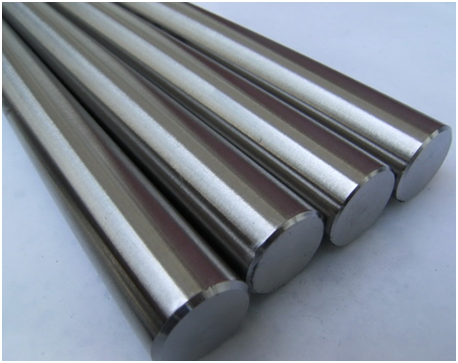
Titanium round bars have established themselves as a trusted material in high-temperature applications due to their exceptional heat resistance, strength retention, and durability. As the demand for advanced materials continues to grow, titanium will play an increasingly important role in ensuring the safety and effectiveness of components used in extreme environments. The ongoing research and development in titanium alloys and manufacturing techniques will further enhance its applications, solidifying its position as a key material for engineers.
Titanium has a melting point of approximately 1,668 degrees Celsius (3,034 degrees Fahrenheit), allowing it to retain its mechanical properties at elevated temperatures.
Titanium offers superior heat resistance compared to steel, maintaining its strength and integrity at higher temperatures, making it suitable for critical applications.
Titanium round bars are used in various aerospace components, including engine parts, turbine blades, and structural elements, due to their lightweight nature and heat resistance.
Titanium's fatigue resistance allows components to withstand repeated stress without failure, ensuring long-term reliability and safety in high-temperature environments.
Titanium is preferred for medical devices due to its biocompatibility, corrosion resistance, and ability to withstand sterilization processes at high temperatures.


