

Views: 370 Author: Lasting titanium Publish Time: 2025-07-24 Origin: Site


Content Menu
● Understanding Titanium Forging
>> Benefits of Titanium Forging
● Key Factors to Consider When Choosing a Manufacturer
>> 2. Manufacturing Capabilities
>> 3. Experience and Reputation
>> 5. Supply Chain and Logistics
● Notable Titanium Forging Manufacturers in China
>> Baoji Titanium Industry Co., Ltd.
>> Xiangrun New Material Technology Co., Ltd.
>> Shaanxi Lasting Titanium Industry Co., Ltd.
>> Hele Titanium Technology Co., Ltd.
● Industry Applications of Titanium Forgings
>> Aerospace
>> Medical
>> Automotive
Titanium forging is a critical process in various industries, including aerospace, medical, and automotive, due to titanium's unique properties such as high strength-to-weight ratio, corrosion resistance, and biocompatibility. As the demand for titanium products continues to grow, China has emerged as a leading manufacturer in this field. This article will explore what to look for when selecting a titanium forging manufacturer in China, highlighting key factors, industry standards, and notable manufacturers.
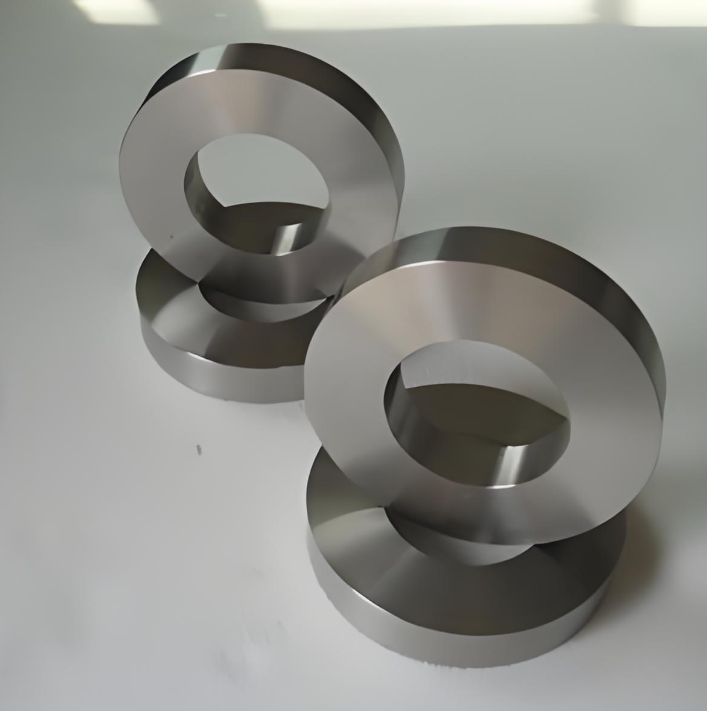
Titanium forging involves shaping titanium metal through the application of compressive forces. This process enhances the material's mechanical properties, making it suitable for high-performance applications. Forged titanium products are often stronger and more reliable than their cast counterparts. The forging process typically includes heating the titanium to a specific temperature and then applying pressure to form it into the desired shape. This method not only improves the material's strength but also refines its grain structure, resulting in a more uniform and durable product.
- Strength and Durability: Forged titanium components exhibit superior strength and fatigue resistance. This makes them ideal for applications where reliability is paramount, such as in aircraft and medical implants.
- Weight Reduction: Titanium is significantly lighter than steel, making it ideal for applications where weight is a concern. This property is particularly beneficial in the aerospace industry, where reducing weight can lead to significant fuel savings and improved performance.
- Corrosion Resistance: Titanium's natural resistance to corrosion extends the lifespan of components in harsh environments. This characteristic is crucial for applications in marine and chemical industries, where exposure to corrosive substances is common.
When selecting a titanium forging manufacturer, it is essential to ensure they adhere to international quality standards. Look for certifications such as ISO 9001 and AS9100, which indicate a commitment to quality management systems. These certifications ensure that the manufacturer has established processes for maintaining quality throughout production, from raw material selection to final inspection. A manufacturer with these certifications is more likely to produce consistent, high-quality products that meet industry specifications.
Evaluate the manufacturer's production capabilities, including:
- Machinery and Technology: Advanced forging equipment and technology can significantly impact the quality of the final product. Manufacturers that invest in state-of-the-art machinery are often able to produce more precise and complex components, which can be critical for specialized applications.
- Material Sourcing: Ensure the manufacturer uses high-grade titanium alloys to meet specific industry requirements. The quality of the raw materials directly affects the performance of the final product, so it is important to choose a manufacturer that sources materials from reputable suppliers.
A manufacturer with extensive experience in titanium forging is likely to produce higher quality products. Research their reputation in the industry by checking customer reviews and case studies. Companies that have been in the business for many years often have a proven track record of reliability and customer satisfaction. Additionally, consider reaching out to previous clients to gain insights into their experiences with the manufacturer.
Many industries require specific designs and dimensions. A good manufacturer should offer customization options to meet unique project specifications. This flexibility is particularly important in industries like aerospace and medical, where components often need to be tailored to fit specific applications. A manufacturer that can accommodate custom orders is more likely to be able to meet the unique needs of your project.
Consider the manufacturer's ability to deliver products on time. A well-established supply chain can help ensure timely delivery, which is crucial for project timelines. Delays in receiving components can lead to costly project overruns, so it is important to choose a manufacturer with a reliable logistics network. Additionally, inquire about their inventory management practices to ensure they can meet your demands without excessive lead times.
Located in the heart of China's titanium industry, Baoji Titanium Industry Co., Ltd. specializes in titanium and titanium alloy products. They are known for their high-quality forgings used in aerospace and medical applications. With a strong focus on research and development, Baoji Titanium continually innovates to improve their product offerings and maintain their competitive edge in the market.
TSM Technology is recognized for its extensive range of titanium products, including forgings. Their commitment to quality and competitive pricing makes them a preferred supplier in the industry. TSM Technology has established a reputation for reliability and customer service, often going above and beyond to meet the needs of their clients.
Xiangrun is notable for its complete titanium processing capabilities, offering a wide range of products for various industries, including aerospace and medical. Their integrated approach allows them to control the entire manufacturing process, ensuring high quality and consistency in their products.
With over 30 years of experience, Shaanxi Lasting Titanium is known for its high-quality titanium wire and forging products, catering to global industries. Their extensive experience in the field allows them to provide valuable insights and support to their clients, making them a trusted partner in titanium manufacturing.
Hele Titanium stands out for its self-sourced raw materials, ensuring high quality and competitive pricing. They have a strong presence in the global market, exporting their products to various countries. Their commitment to sustainability and ethical sourcing practices further enhances their reputation in the industry.
Titanium forgings are widely used in the aerospace industry for components such as engine parts, landing gear, and structural components due to their lightweight and strength. The ability to withstand extreme temperatures and pressures makes titanium an ideal choice for aircraft manufacturing. As the aerospace industry continues to evolve, the demand for high-performance titanium components is expected to grow.
In the medical field, titanium forgings are used for implants, surgical instruments, and prosthetics. Titanium's biocompatibility and resistance to corrosion make it a preferred material for medical applications. The ability to customize titanium components for specific medical needs further enhances its appeal in this industry. As advancements in medical technology continue, the role of titanium in healthcare is likely to expand.
The automotive industry is increasingly turning to titanium forgings for high-performance components, particularly in sports and luxury vehicles. The lightweight nature of titanium helps improve fuel efficiency and performance, making it an attractive option for manufacturers looking to enhance their vehicles' capabilities. As environmental regulations become stricter, the demand for lightweight materials like titanium is expected to rise.
Choosing the right titanium forging manufacturer in China is crucial for ensuring the quality and reliability of your products. By considering factors such as quality standards, manufacturing capabilities, experience, customization options, and supply chain logistics, you can make an informed decision that meets your project's needs. With numerous reputable manufacturers in China, you can find a partner that aligns with your requirements and helps you achieve your goals.
1. What are the advantages of titanium over other metals?
Titanium offers a high strength-to-weight ratio, excellent corrosion resistance, and biocompatibility, making it ideal for various applications.
2. How do I ensure the quality of titanium forgings?
Look for manufacturers with ISO certifications and a proven track record in the industry. Request samples and conduct quality inspections as needed.
3. Can titanium forgings be customized?
Yes, many manufacturers offer customization options to meet specific design and dimensional requirements.
4. What industries use titanium forgings?
Titanium forgings are commonly used in aerospace, medical, automotive, and chemical industries.
5. How can I find a reliable titanium forging manufacturer in China?
Research potential manufacturers, check their certifications, read customer reviews, and request quotes to compare options.


