

Views: 350 Author: Lasting TItanium Publish Time: 2026-10-12 Origin: Site


Content Menu
>> Why titanium coil is considered for chemical processing
>> ASTM B265: distinguish the parent coil from slit strip
>> Selecting a titanium grade for chemical service
>> Build a complete process envelope before ordering
>> Corrosion limits: use examples cautiously
>> Potential applications for titanium coil in chemical equipment
>> What to include in a titanium coil inquiry
>> Quality checks beyond the grade certificate
>> Fabrication: forming, cutting, and welding
>>> Cutting and edge preparation
>>> Welding and contamination control
>> A practical supplier qualification process
>> Lifecycle cost: compare total project value
>> Common purchasing gaps to close
>> Working with Shaanxi Lasting New Material
>>> 1. Does ASTM B265 define titanium coil?
>>> 2. Which titanium grade is best for chemical-processing equipment?
>>> 3. Can titanium coil be used in acid service?
>>> 4. What should a titanium coil RFQ include?
>>> 5. Why specify parent-coil and slit-strip tolerances separately?
>>> 6. What should buyers verify about titanium fabrication?
>>> 7. Is titanium automatically more economical than stainless steel?
>> References
Titanium coil is a material option for chemical-processing equipment where corrosion resistance, formability, and component weight matter. But selecting the right product means specifying more than "titanium": buyers and engineers should define the grade, product form, dimensions, process chemistry, fabrication requirements, inspection, and traceability.*
This guide is for equipment manufacturers, engineering teams, wholesalers, and procurement professionals evaluating titanium coil for chemical processing equipment. It provides a practical framework for material selection and purchasing. It is not a corrosion guarantee or a substitute for a project-specific review by a qualified materials or corrosion engineer.
Titanium forms a protective oxide film in many environments. This makes titanium and its alloys candidates for selected chemical-processing components where corrosion resistance is important. Coil or strip can also suit manufacturers that need continuous feedstock for slitting, cutting, or forming.
However, titanium is not universally corrosion-proof. Some reducing acids, fluoride-bearing media, crevices, deposits, and process upsets can cause significant attack. A material that performs well in one plant may be unsuitable in another process with different chemistry or operating conditions.
A useful material review looks beyond the coil itself. It considers the process fluid, temperature range, flow, component geometry, welds, gaskets, cleaning chemicals, deposits, and dissimilar-metal contact. The objective is to select a material and manufacturing route that meet the equipment's performance and quality requirements.
ASTM B265 covers annealed titanium and titanium-alloy strip, sheet, and plate. It does not define "coil" as a separate product form. When ordering coil to B265, make clear how the specification applies to the supplied product and to any strip slit from the parent coil. [ehisenelectrode]
In practice, a mill may supply a rolled parent coil that is later slit to the required width. The purchase specification should state whether dimensions and tolerances apply to:
- The parent coil, before slitting.
- The final slit strip, after slitting.
- Both product stages, if both require defined acceptance limits.
This distinction matters because slitting can affect final width and edge condition. A quotation should not leave the buyer to infer whether "width tolerance" refers to the parent coil or finished strip.
Avoid writing only "ASTM B265 titanium coil" and assuming every requirement is settled. Specify the grade, product form, standard edition, thickness, width, tolerances, edge condition, surface requirements, and documentation. Confirm the current edition required for the project directly with ASTM and the governing project documents before ordering. [ehisenelectrode]
Grade selection should start with the service environment. Commercially pure titanium generally refers to Grades 1–4; titanium alloys such as Grade 5 are a different material family and should not be grouped under that label. Higher strength alone does not establish better chemical compatibility.
The following overview is a starting point for technical discussion, not a substitute for grade-specific corrosion data or engineering approval.
| Grade family | Typical consideration | What to evaluate |
|---|---|---|
| Grades 1–4 | Commercially pure grades with differing strength and formability characteristics | Forming needs, mechanical requirements, and corrosion data for the actual process |
| Grade 7 | Palladium-bearing titanium that may be considered for selected reducing-acid or crevice conditions | Chemistry, concentration, temperature, joint geometry, and validated service data |
| Grade 12 | Titanium alloy containing molybdenum and nickel, evaluated for certain combinations of mechanical and corrosion requirements | Exact service environment, product specification, and design conditions |
| Grades 16 and 26 | Palladium-bearing grades that may be reviewed as alternatives for specific projects | Grade-specific data, availability, cost, and qualification requirements |
For critical equipment, document the selection rationale: which service conditions were considered, what data support the choice, and what assumptions or limits apply. Review the complete system, including welds, heat-affected regions, seals, and locations where process fluid could become trapped.
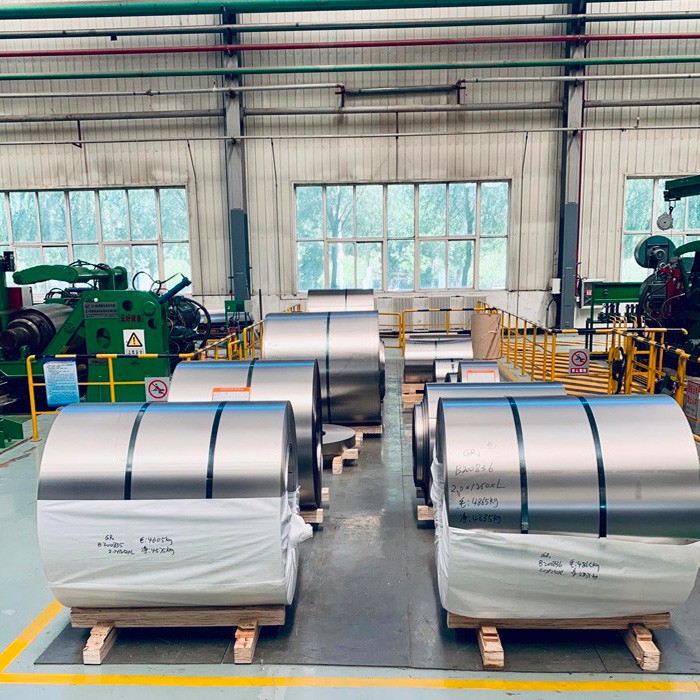
A supplier cannot meaningfully assess an application from the phrase "chemical processing equipment." Provide a process envelope covering normal operation and credible excursions.
1. Chemical composition: List major constituents, impurities, additives, and cleaning chemicals that may contact the material.
2. Concentration: Include expected operating limits and changes during startup, shutdown, or cleaning.
3. Temperature and pressure: State normal, maximum, minimum, and upset conditions where known.
4. Phase and flow: Identify liquid, vapor, or mixed-phase contact, plus high-velocity zones, stagnant areas, and solids.
5. Geometry and deposits: Describe joints, gaskets, crevices, dead legs, and locations where deposits may accumulate.
6. Fabrication and contact materials: Identify forming, welding, weld filler, fasteners, and possible contact with dissimilar metals.
7. Cleaning and maintenance: List cleaning agents, flushing procedures, and maintenance expectations.
This information helps the responsible engineer assess the actual service rather than relying on a generic product description. It can also identify whether additional testing, inspection, or design review is needed.
Titanium's corrosion behavior can change substantially with chemistry and temperature. General material references may describe commercially pure titanium as suitable in certain relatively mild acid conditions, while warning that hotter or more concentrated reducing acids can be far more aggressive. Such examples are screening guidance, not universal operating limits: corrosion rates depend on grade, composition, temperature, aeration, contaminants, flow, geometry, and test method.
Oxidizing and reducing environments can behave differently. Some environments may support passivation, while fluoride-bearing solutions and certain hot, concentrated reducing acids can attack titanium's protective film. Do not infer suitability from the name of an acid alone; concentration, temperature, impurities, and the full process sequence matter.
Dry chlorine is a serious hazard and must not be confused with wet chlorine service. Titanium can react dangerously with dry chlorine, creating potential for rapid reaction and fire. Do not use a generic chart or article to authorize chlorine service. Obtain a documented, application-specific review from a qualified engineer and follow applicable process-safety requirements.
Before putting a numerical corrosion limit into a design specification or marketing claim, verify it against a primary, grade-specific source that states the test conditions and method. Without that context, an isolated concentration or temperature value can imply more certainty than the evidence supports.
The following are possible application categories, not blanket recommendations. The equipment designer must confirm the form, design suitability, fabrication route, and governing requirements.
| Application area | Why titanium may be evaluated | Key engineering checks |
|---|---|---|
| Heat-exchanger components | Corrosion resistance may be important at process-fluid contact surfaces | Fluid chemistry, temperature, pressure boundary, joining method, and design rules |
| Fabricated vessel or tank parts | Strip may suit selected formed or joined parts | Thickness, forming limits, weld design, and inspection access |
| Chemical-treatment equipment | Components may contact process or cleaning solutions | Full chemistry, concentration range, temperature, and cleaning cycles |
| Liners or protective elements | Thin strip may suit designs requiring a metallic protective layer | Attachment method, thermal movement, crevice formation, and repair strategy |
| Custom fabricated parts | Coil can supply feedstock for repeatable manufacturing | Traceability, dimensions, edge quality, and qualified fabrication procedures |
A complete request for quotation helps suppliers submit comparable offers and reduces ambiguity before production.
- Grade and product form: State the grade and whether the requirement is parent coil, slit strip, or both.
- Governing standard: Name the required standard and edition.
- Dimensions: Specify thickness, width, coil inside and outside diameters, and relevant tolerances.
- Tolerance basis: State whether each tolerance applies to the parent coil, final slit strip, or both.
- Surface and edge condition: Describe finish, edge requirements, and acceptable limits for visible defects.
- Testing and documentation: Specify certificates, inspection records, lot identification, and any additional testing.
- Quantity and delivery: Include quantity, destination, packaging, and target schedule.
- Application information: Share relevant service conditions where permitted by confidentiality requirements.
Ask suppliers to state assumptions and exceptions plainly. If slit edges are supplied as-cut, or if a quoted tolerance applies only before slitting, that detail should be documented before purchase.
A certificate is important, but buyers should also define product acceptance requirements.
Dimensions: Confirm how thickness and width are measured, where readings are taken, and what variation is acceptable. Establish whether tolerances apply across the whole coil or to sampled locations.
Surface condition: Define acceptable limits for scratches, dents, stains, or other visible conditions. Avoid relying on a vague description such as "good surface."
Edge quality: Discuss edge straightness, burrs, and whether deburring or trimming is included. This is especially relevant when strip will be formed or welded.
Traceability: Agree on how the delivered coil is linked to its production lot and test records, and how identification will be maintained during storage and fabrication.
Packaging and handling: Define labeling and protective packaging suited to the material, transport route, and storage conditions.
Do not use broad claims such as "high quality" or "industrial grade" as substitutes for measurable acceptance criteria. Put the required dimensions, finish, documentation, and packaging in the purchase specification.
The finished component depends on both the material and the way it is processed. Establish fabrication requirements for the specific grade, thickness, geometry, and application before production begins.
Review the component shape, bend radii, tooling, and surface-protection requirements. Forming trials may be appropriate for tight bends, complex profiles, or parts where dimensional stability is critical. The fabricator should understand the selected strip's behavior in the intended operation and how the finished part will be inspected.
Choose a cutting process that delivers edges meeting the component design and inspection requirements. Discuss burr removal, edge trimming, and handling protection. For welded components, align edge preparation and cleanliness with the approved welding procedure.
Titanium welding requires protection from atmospheric contamination. The welding procedure should define joint preparation, shielding, cleaning, and inspection requirements for the job. Shop practices matter too: tools, work surfaces, and handling methods should prevent unwanted transfer of contaminants from other metals.
Do not treat one gas purity, dew point, or shielding setup as universally applicable to every thickness, joint, and welding procedure. Establish suitable limits in the approved procedure and verify them against the applicable code and project requirements.
If a supplier is not responsible for fabrication, ask whether the downstream fabricator has relevant experience with titanium strip. Experience with stainless steel alone does not demonstrate that a fabricator's procedures are suitable for titanium.
Review cleaning agents before use and exclude chemicals that are not approved for the particular material and service. In particular, do not use chlorine-containing cleaning solvents unless a qualified materials engineer has explicitly confirmed their suitability. Prevent contamination from tools, handling equipment, and work surfaces.
Agree on inspection requirements before production starts. Depending on the project, the plan may include visual inspection, dimensional checks, documentation review, and additional examinations required by the design or governing specification. Define acceptance criteria and records so the coil can be traced through fabrication.
Supplier evaluation is more useful when every candidate receives the same specification.
1. Send a complete inquiry. Include grade, standard, product form, dimensions, tolerances, finish, coil requirements, quantity, and delivery details.
2. Describe the intended service. Provide process chemistry and operating conditions where possible, subject to confidentiality requirements.
3. Review documents and assumptions. Confirm that the offered product, grade, standard, and certificates match the project.
4. Agree on measurable acceptance criteria. Put dimensional, surface, edge, traceability, and packaging requirements in writing.
5. Assess production capability. Ask how the supplier controls thickness, slit width, edge condition, surface quality, and coil handling.
6. Consider a sample or trial lot. For critical equipment, verify the delivered material and downstream fabrication before committing to larger volumes.
Ask specific questions. Instead of "Can you supply titanium coil?", ask whether the supplier can provide a particular grade and product form, to the specified standard, with defined tolerances, documentation, and packaging.
Titanium may have a higher purchase price than common stainless steels, but material price alone does not determine the best option. A project comparison should include procurement, fabrication, inspection, maintenance, and the cost of downtime.
Consider:
- Expected service life and replacement frequency
- Maintenance access and repair requirements
- Fabrication labor and qualified welding
- Inspection and cleaning needs
- Weight and design implications
- Availability of compatible joining materials and fittings
The result depends on the process and equipment design. A lifecycle assessment may support evaluating titanium where corrosion-related failures are costly. But if the chemistry is unsuitable, or fabrication controls are inadequate, a premium material alone will not solve the problem.
Product listings and short quotations may omit details that are essential to a project. Verify the following before ordering:
- The exact standard and edition required by the purchase contract.
- Whether the offered form is parent coil, slit strip, or another product form.
- Whether stated tolerances apply to the parent coil, finished slit strip, or both.
- Which mechanical, dimensional, and surface checks are included.
- How edge condition, packaging, and traceability are defined.
- Whether the grade is appropriate for the actual chemistry and operating envelope.
- Whether downstream fabrication procedures match the project's quality requirements.
A complete specification makes supplier offers easier to compare and helps prevent misunderstandings between the mill, buyer, and fabricator.
Shaanxi Lasting New Material Industry Co., Ltd. provides titanium-material services to overseas brands, wholesalers, and manufacturers. For a quotation or technical discussion about titanium coil, share the intended grade, product form, standard, thickness, width, quantity, delivery location, and required documentation.
For chemical-processing service, include relevant process conditions whenever your confidentiality requirements allow. This gives the supplier and project engineer a clearer basis for discussing whether the purchase specification is complete and whether additional review may be needed. Final material selection and equipment approval remain the responsibility of the qualified design and corrosion professionals.
Request a project-specific quotation: Send Shaanxi Lasting New Material your coil dimensions, required standard, quantity, documentation requirements, and application details.
ASTM B265 covers annealed titanium and titanium-alloy strip, sheet, and plate. Since "coil" is not listed as a separate product form, specify whether requirements apply to the parent coil, slit strip, or both. Confirm the required edition directly with ASTM and the project's governing documents. [ehisenelectrode]
There is no single best grade for every chemical process. Compare Grades 1–4 and alloy grades such as 7 or 12 only after assessing the actual chemistry, concentration, temperature, geometry, fabrication, and required mechanical properties.
Potential suitability depends on the acid, concentration, temperature, contaminants, flow, and grade. Do not assume that a material is compatible based on the acid name alone; obtain grade-specific data and engineering review for the service conditions.
Include grade, product form, standard and edition, thickness, width, coil dimensions, tolerances, surface and edge requirements, documentation, quantity, packaging, and delivery. State whether tolerances apply to the parent coil or final slit strip.
Slitting can affect finished width and edge condition. Defining requirements for each stage makes acceptance criteria clear and helps prevent disagreements between the supplier and buyer.
Confirm that forming, cutting, cleaning, welding, shielding, and inspection methods are defined for the application. The fabricator should follow an approved procedure appropriate to the grade, geometry, and project requirements.
No. Compare total project value, including material price, fabrication, inspection, maintenance, service requirements, and downtime. The economic case depends on the process and equipment design.
1. [ASTM International — ASTM B265, Standard Specification for Titanium and Titanium Alloy Strip, Sheet, and Plate]. The page describes the specification's scope; confirm the edition required for a specific project directly with ASTM and the governing documents.
2. [ASTM International — Nonferrous Metal Standards and Nonferrous Alloy Standards]. Use ASTM's official standards resources to locate applicable product specifications and verify project requirements.


