

Views: 350 Author: Lasting Titanium Publish Time: 2024-12-24 Origin: Site


Content Menu
● Understanding Titanium and Its Properties
● The Manufacturing Process of Custom Titanium Parts
>>> Advantages of CNC Machining
>> 3D Printing
>>> Advantages of Investment Casting
● Applications of Custom Titanium Parts
● Benefits of Using Custom Titanium Parts
>> Durability
● Challenges in Manufacturing Custom Titanium Parts
>> Cost
● Future Trends in Custom Titanium Parts
>> Increased Use of Additive Manufacturing
>> Enhanced Material Properties
>> 1.What are custom titanium parts?
>> 2.What industries use custom titanium parts?
>> 3.What are the benefits of using titanium?
>> 4.How are custom titanium parts manufactured?
>> 5.What challenges are associated with custom titanium parts?
Custom titanium parts have become increasingly significant in various industries due to their unique properties and versatility. This article explores the characteristics, manufacturing processes, applications, and benefits of custom titanium parts, providing a comprehensive understanding of why they are essential in modern engineering and manufacturing. As industries evolve and demand for high-performance materials grows, titanium stands out as a material of choice, leading to innovations and advancements in design and functionality.
Titanium is a transition metal known for its high strength-to-weight ratio, corrosion resistance, and biocompatibility. These properties make it an ideal choice for applications in aerospace, medical, automotive, and industrial sectors. The unique characteristics of titanium not only enhance the performance of products but also contribute to the longevity and reliability of components used in critical applications.
Titanium is renowned for several key properties:
- Lightweight: Titanium is about 45% lighter than steel, making it an excellent choice for applications where weight reduction is critical. This lightweight nature allows for easier handling and transportation, as well as improved fuel efficiency in vehicles and aircraft.
- Strength: Despite its lightness, titanium is incredibly strong, often outperforming steel in terms of tensile strength. This strength-to-weight ratio is particularly advantageous in aerospace applications, where every ounce counts.
- Corrosion Resistance: Titanium forms a protective oxide layer that makes it highly resistant to corrosion, even in harsh environments. This property is crucial for components exposed to chemicals, saltwater, and extreme temperatures, ensuring their durability and performance over time.
- Biocompatibility: This property makes titanium suitable for medical implants and devices, as it is non-toxic and integrates well with human tissue. The ability to use titanium in medical applications has revolutionized the field of surgery and prosthetics, leading to better patient outcomes.
Creating custom titanium parts involves several manufacturing processes, each tailored to meet specific design requirements. Understanding these processes is essential for selecting the right method for a given application, as each technique offers distinct advantages and challenges.
CNC (Computer Numerical Control) machining is one of the most common methods for producing custom titanium parts. This process involves using computer-controlled machines to cut and shape titanium into precise dimensions. The automation of machining processes allows for high efficiency and accuracy, making it a preferred choice for many manufacturers.
- Precision: CNC machining allows for high precision and repeatability, essential for parts that require exact specifications. This level of accuracy is critical in industries such as aerospace and medical, where even minor deviations can lead to significant issues.
- Complex Geometries: This method can produce intricate designs that would be challenging to achieve with traditional machining techniques. The ability to create complex shapes opens up new possibilities for product design and innovation.
Additive manufacturing, or 3D printing, is another innovative method for creating custom titanium parts. This process builds parts layer by layer, allowing for complex shapes and reduced material waste. As technology advances, 3D printing is becoming increasingly popular for producing titanium components, especially in prototyping and low-volume production.
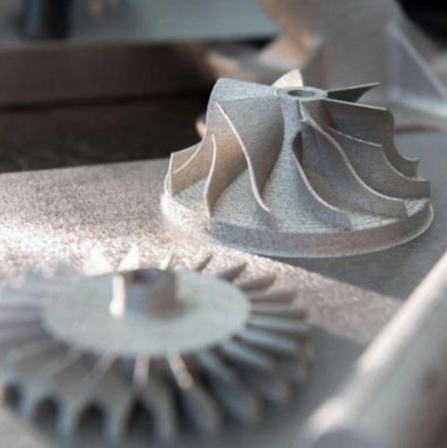
- Design Flexibility: 3D printing enables the creation of complex geometries that are often impossible to achieve with traditional methods. This flexibility allows designers to push the boundaries of creativity and functionality in their products.
- Rapid Prototyping: This method allows for quick iterations and adjustments, making it ideal for prototyping. Manufacturers can test and refine designs rapidly, reducing time to market and improving overall product development processes.
Investment casting is a process where a wax model of the part is coated in a ceramic shell. Once the shell hardens, the wax is melted away, and molten titanium is poured into the cavity to create the part. This method is particularly useful for producing intricate shapes and high-quality surface finishes.
- Surface Finish: This method provides excellent surface finishes, reducing the need for additional machining. A smooth surface finish is essential for many applications, as it can enhance performance and aesthetics.
- Material Efficiency: Investment casting minimizes waste, making it a cost-effective option for producing complex parts. The ability to create near-net-shape components reduces the amount of material required, contributing to sustainability efforts in manufacturing.
Custom titanium parts are utilized across various industries, each benefiting from the unique properties of titanium. The versatility of titanium allows it to be adapted for a wide range of applications, from high-performance aerospace components to everyday medical devices.
In the aerospace sector, custom titanium parts are used in aircraft structures, engine components, and fasteners. The lightweight and strong nature of titanium contributes to fuel efficiency and overall performance. As the aerospace industry continues to seek ways to improve efficiency and reduce emissions, the demand for titanium components is expected to grow.
Titanium's biocompatibility makes it a preferred material for medical implants, surgical instruments, and dental devices. Custom titanium parts can be tailored to fit specific anatomical requirements, enhancing patient outcomes. The use of titanium in medical applications has led to significant advancements in surgical techniques and implant technology, improving the quality of life for many patients.
The automotive industry uses custom titanium parts for high-performance components, such as exhaust systems and suspension parts. The lightweight nature of titanium helps improve fuel efficiency and vehicle performance. As manufacturers strive to meet stricter emissions regulations and consumer demand for better performance, titanium is becoming an increasingly popular choice in automotive design.
In industrial settings, custom titanium parts are used in chemical processing, oil and gas, and marine applications. Their corrosion resistance and strength make them ideal for harsh environments. Industries that require reliable and durable components are turning to titanium to ensure the longevity and performance of their equipment.
The use of custom titanium parts offers numerous advantages that enhance product performance and longevity. Understanding these benefits is crucial for manufacturers and engineers when selecting materials for their projects.
Custom titanium parts are highly durable, resisting wear and tear over time. This durability translates to longer service life and reduced maintenance costs. In industries where downtime can be costly, the reliability of titanium components is a significant advantage.
The lightweight nature of titanium allows for significant weight savings in various applications, which is particularly beneficial in aerospace and automotive industries. Reducing weight can lead to improved fuel efficiency, better handling, and enhanced overall performance of vehicles and aircraft.
Titanium's resistance to corrosion ensures that parts maintain their integrity even in challenging environments, reducing the risk of failure. This property is especially important in industries such as oil and gas, where components are often exposed to harsh chemicals and extreme conditions.
The ability to create custom titanium parts means that manufacturers can tailor components to meet specific requirements, enhancing functionality and performance. Customization allows for innovative designs that can improve the efficiency and effectiveness of products.
While there are many benefits to using custom titanium parts, there are also challenges associated with their manufacturing. Understanding these challenges is essential for manufacturers to develop effective strategies for overcoming them.
The cost of titanium and the complexity of machining it can lead to higher production costs compared to other materials. However, the long-term benefits often justify the initial investment. Manufacturers must weigh the upfront costs against the potential savings in maintenance and replacement over time.
Titanium can be challenging to machine due to its strength and tendency to work-harden. This requires specialized tools and techniques to achieve the desired results. Manufacturers must invest in training and equipment to ensure that they can effectively work with titanium.
Certain grades of titanium may not be readily available, which can lead to delays in production. Manufacturers must plan accordingly to ensure timely delivery of custom parts. Establishing strong relationships with suppliers and exploring alternative sourcing options can help mitigate these challenges.
The future of custom titanium parts looks promising, with advancements in technology and materials science driving innovation. As industries continue to evolve, the demand for high-performance materials like titanium is expected to grow.
As 3D printing technology continues to evolve, the use of additive manufacturing for custom titanium parts is expected to grow. This will allow for even more complex designs and faster production times. The ability to produce parts on-demand can significantly reduce lead times and inventory costs.
With a growing emphasis on sustainability, manufacturers are exploring ways to recycle titanium and reduce waste in the production process. This trend will likely lead to more environmentally friendly practices in the industry. Companies that adopt sustainable practices can enhance their brand reputation and appeal to environmentally conscious consumers.
Research into titanium alloys and treatments is ongoing, with the goal of enhancing the material's properties for specific applications. This could lead to even more robust and versatile custom titanium parts. Innovations in material science may open up new possibilities for titanium in industries such as aerospace, automotive, and medical.
Custom titanium parts play a crucial role in various industries, offering unique properties that enhance performance and durability. As technology advances, the manufacturing processes for these parts will continue to improve, making them even more accessible and efficient. Understanding the benefits and challenges associated with custom titanium parts is essential for manufacturers looking to leverage this remarkable material in their products. The future of custom titanium parts is bright, with ongoing innovations and a growing demand for high-performance materials.
Custom titanium parts are components made from titanium that are tailored to meet specific design and performance requirements for various applications.
Custom titanium parts are used in aerospace, medical, automotive, and industrial sectors due to their unique properties.
Titanium offers a high strength-to-weight ratio, corrosion resistance, and biocompatibility, making it ideal for demanding applications.
They can be manufactured using various methods, including CNC machining, 3D printing, and investment casting.
Challenges include higher production costs, machining difficulties, and limited availability of certain titanium grades.


