

Views: 325 Author: Lasting Titanium Publish Time: 2024-11-26 Origin: Site


Content Menu
● Understanding Titanium and Its Properties
>> The Challenges of Cutting Titanium
● Methods for Cutting Titanium Rods
>> Mechanical Cutting Techniques
>>> Bandsaw Cutting
>>> Hacksawing
>>> Shearing
>>> Plasma Cutting
>>> Laser Cutting
● Best Practices for Cutting Titanium Rods
>> Cutting Speed and Feed Rate
>> Stable Setup
Cutting titanium rods presents unique challenges due to the material's properties, including its strength, toughness, and tendency to work harden. This article explores various methods and techniques for cutting titanium rods, ensuring precision and efficiency while maintaining the integrity of the material.
Titanium is a lightweight, high-strength metal known for its excellent corrosion resistance and biocompatibility. These properties make it a popular choice in various industries, including aerospace, medical, and automotive. Titanium's unique characteristics, such as its high strength-to-weight ratio and ability to withstand extreme temperatures, make it ideal for applications where performance and durability are critical. However, cutting titanium requires specialized techniques due to its unique characteristics. The metal's reactivity and tendency to form hard oxides can complicate the cutting process, necessitating careful planning and execution.
Cutting titanium rods can be difficult for several reasons:
· High Strength and Toughness: Titanium's strength can lead to excessive tool wear and generate significant heat during cutting. This heat can cause the cutting tool to dull quickly, leading to increased costs and downtime for tool replacement.
· Low Thermal Conductivity: This property means that heat generated during cutting cannot dissipate quickly, which can damage both the titanium and the cutting tool. The inability to effectively manage heat can result in thermal distortion of the titanium, affecting the final dimensions and tolerances of the cut piece.
· Work Hardening: Titanium tends to harden at the cutting edge, making it more challenging to cut as the process continues. This work hardening can lead to increased cutting forces, which may require adjustments in the cutting parameters to maintain efficiency and prevent tool failure.
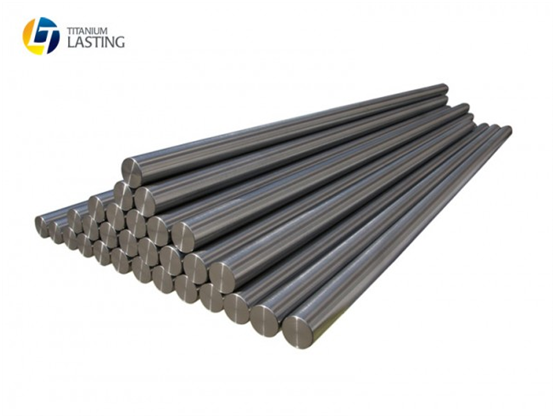
There are several effective methods for cutting titanium rods, each with its advantages and considerations.
Mechanical cutting involves using tools to physically remove material from the titanium rod. Common methods include:
Bandsaw cutting is a popular method for cutting titanium rods. It involves using a continuous metal blade with teeth to slice through the material. This method is effective for both thick and thin rods and can be adjusted for different cutting speeds. Bandsaws can be equipped with specialized blades designed for titanium, which helps to reduce heat generation and improve cutting efficiency. Additionally, the ability to cut in various orientations makes bandsaw cutting versatile for different applications.
A hacksaw can be used for cutting titanium, but it requires careful handling. The blade must be appropriate for metal cutting, and the operator should apply consistent pressure to avoid damaging the material. Using a high-quality, bi-metal blade can enhance the cutting process, as these blades are designed to withstand the stresses associated with cutting tough materials like titanium. Proper technique, including maintaining a steady pace and angle, is crucial to achieving clean cuts without introducing excessive stress to the material.
Shearing is a fast method for cutting thin sheets of titanium. It involves using a shear tool to cut through the material without generating excessive heat. This method is particularly useful for producing straight cuts and can be employed in high-volume production settings. The efficiency of shearing makes it an attractive option for manufacturers looking to minimize waste and maximize throughput.
Thermal cutting methods use heat to melt or vaporize the titanium, allowing for precise cuts.
Plasma cutting utilizes a high-velocity jet of ionized gas to melt and remove titanium material. This method is suitable for thicker rods and can create intricate shapes with minimal distortion. Plasma cutting is known for its speed and versatility, making it a preferred choice in many industrial applications. However, operators must be cautious of the heat-affected zone, as excessive heat can alter the properties of the titanium near the cut.
Laser cutting employs a focused beam of light to heat titanium to its melting point. This method is highly precise and can cut complex shapes without introducing mechanical stress. Laser cutting is particularly advantageous for applications requiring tight tolerances and intricate designs. The ability to program the laser for various cutting paths allows for flexibility in design and production.
Water jet cutting is a "cool" method that uses high-pressure water mixed with abrasive materials to cut titanium. This technique is effective for thick materials and minimizes heat-affected zones. Water jet cutting is also environmentally friendly, as it does not produce harmful fumes or waste. The precision of water jet cutting makes it suitable for applications where maintaining the integrity of the material is critical.
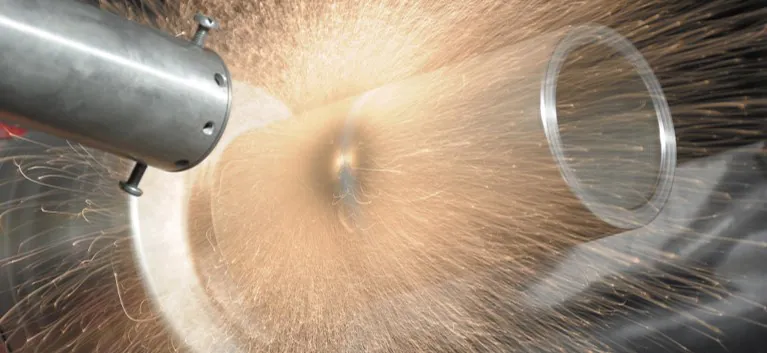
To achieve the best results when cutting titanium rods, consider the following best practices:
Choosing the right cutting tool is crucial. Tools designed specifically for titanium, such as carbide-tipped blades, can enhance cutting efficiency and prolong tool life. It is essential to match the tool to the specific cutting method and the thickness of the titanium being processed. Regular maintenance and inspection of cutting tools can also help ensure optimal performance and reduce the risk of tool failure.
Using coolant during the cutting process can help dissipate heat and reduce the risk of work hardening. This is particularly important for mechanical cutting methods. Coolants can also improve the surface finish of the cut and extend the life of the cutting tool. Operators should select coolants that are compatible with titanium and the cutting method being used.
Adjusting the cutting speed and feed rate is essential for effective titanium cutting. Slower speeds with higher feed rates can help manage heat generation and improve cutting performance. Finding the optimal balance between speed and feed rate is critical to achieving efficient cuts while minimizing tool wear and material distortion.
Ensure that the titanium rod is securely clamped and that the cutting setup is stable. This reduces vibrations and improves the accuracy of the cut. A stable setup also helps to prevent movement during the cutting process, which can lead to inaccuracies and poor surface finishes.
When cutting titanium, safety should always be a priority. Here are some key safety tips:
· Personal Protective Equipment (PPE): Always wear appropriate PPE, including gloves, goggles, and hearing protection. This equipment is essential to protect against flying debris, sharp edges, and loud noise generated during cutting.
· Ventilation: Ensure proper ventilation in the workspace to avoid inhaling metal dust or fumes. Adequate airflow can help mitigate the risks associated with cutting titanium, especially when using thermal cutting methods that may produce harmful gases.
· Fire Safety: Titanium can ignite under certain conditions, so keep flammable materials away from the cutting area. Having fire extinguishing equipment readily available is also advisable, as it can help address any unexpected incidents quickly.
Cutting titanium rods requires careful consideration of the material's properties and the selection of appropriate cutting methods. By understanding the challenges and employing best practices, you can achieve precise cuts while maintaining the integrity of the titanium. Whether using mechanical or thermal cutting techniques, the right approach will ensure successful outcomes in your projects.


