

Views: 410 Author: Lasting Titanium Publish Time: 2025-11-22 Origin: Site


Content Menu
● Understanding Titanium Forgings
>> What Are Titanium Forgings?
>> Applications of Titanium Forgings
● Best Practices for Sourcing Titanium Forgings
>> 1. Define Your Requirements
>> 2. Research Potential Suppliers
>> 3. Evaluate Supplier Capabilities
>> 5. Establish Clear Communication
>> 8. Ensure Compliance with Standards
>> 9. Build Long-Term Relationships
Titanium forgings are essential components in various industries, including aerospace, automotive, and medical. The unique properties of titanium, such as its high strength-to-weight ratio and excellent corrosion resistance, make it a preferred material for critical applications. However, sourcing high-quality titanium forgings requires careful consideration of several factors. This article outlines best practices for sourcing titanium forgings, ensuring that manufacturers receive products that meet their specifications and quality standards.
Titanium forgings are produced by shaping titanium metal through the application of compressive forces. This process enhances the material's mechanical properties, making it stronger and more durable than its cast counterparts. Forgings can be made from various titanium alloys, each tailored for specific applications. The forging process typically involves heating the titanium to a malleable state and then applying pressure to form it into the desired shape. This method not only improves the material's strength but also refines its microstructure, resulting in superior performance characteristics.
Titanium forgings are often used in applications where high strength and low weight are critical. For example, in the aerospace industry, components such as landing gear and engine parts must withstand extreme conditions while minimizing weight to improve fuel efficiency. The forging process also allows for the creation of complex shapes that would be difficult or impossible to achieve with other manufacturing methods.
Titanium forgings are widely used in various sectors due to their exceptional properties. In the aerospace industry, they are critical for components such as landing gear, engine parts, and structural elements, where weight savings and strength are paramount. In the medical field, titanium is favored for surgical instruments, implants, and prosthetics due to its biocompatibility and resistance to corrosion. Additionally, the automotive industry utilizes titanium forgings for high-performance parts, including exhaust systems and suspension components, where durability and lightweight materials are essential for enhancing vehicle performance.
The versatility of titanium forgings extends beyond these industries. They are also used in marine applications, chemical processing, and even in sports equipment, where high performance and reliability are required. The ability to customize titanium forgings for specific applications makes them a valuable choice for engineers and designers across various fields.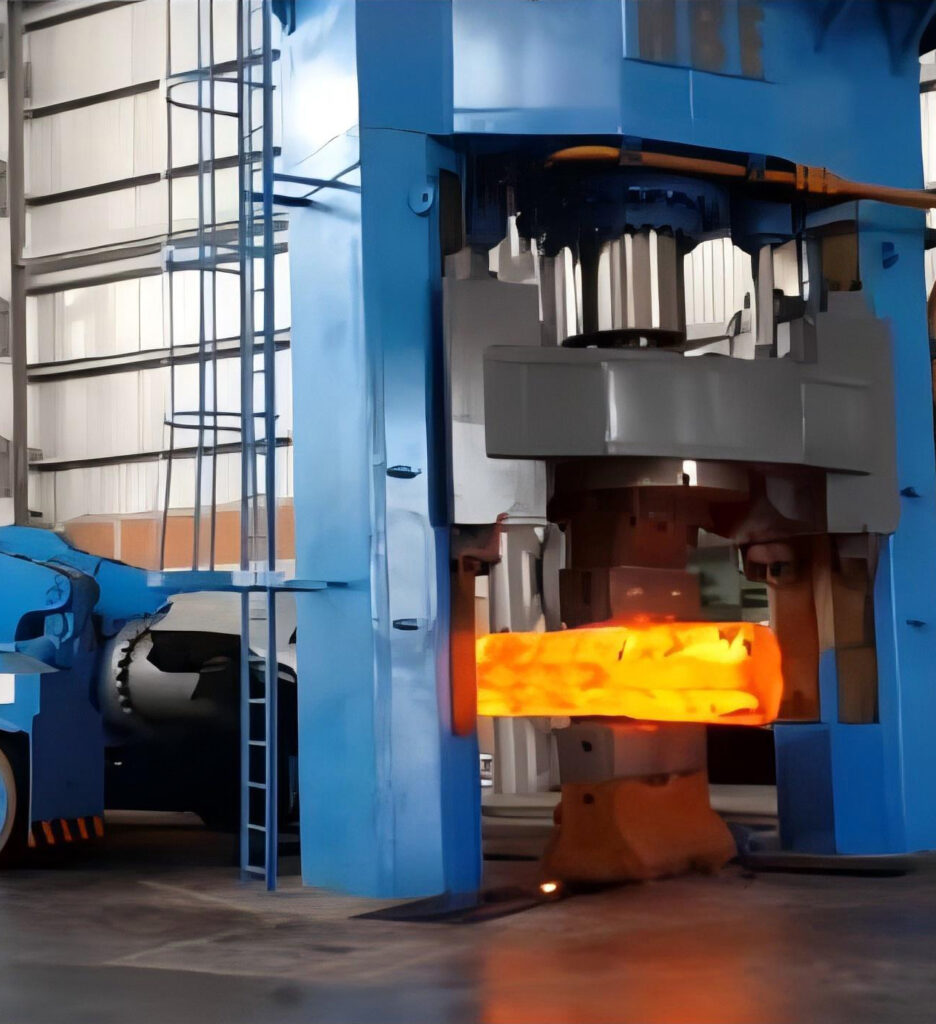
Before sourcing titanium forgings, it is crucial to define your specific requirements. Consider the following factors:
- Material Specifications: Determine the grade of titanium or titanium alloy needed for your application. Different grades offer varying properties, such as strength, ductility, and corrosion resistance, which can significantly impact performance in specific environments. For instance, Grade 5 titanium (Ti-6Al-4V) is commonly used in aerospace applications due to its excellent strength-to-weight ratio and fatigue resistance.
- Dimensions and Tolerances: Specify the required dimensions and tolerances for the forgings. Precise specifications are vital to ensure that the components fit correctly in their intended applications, especially in industries like aerospace and medical, where even minor deviations can lead to failures. Establishing clear tolerances helps manufacturers produce parts that meet your exact needs.
- Quantity: Estimate the quantity of forgings needed for your project. Understanding your volume requirements can help in negotiating better pricing and lead times with suppliers. Larger orders may qualify for bulk pricing, while smaller orders might incur higher per-unit costs.
Conduct thorough research to identify potential suppliers of titanium forgings. Look for manufacturers with a proven track record in producing high-quality products. Consider the following criteria:
- Experience: Choose suppliers with extensive experience in titanium forging. Experienced manufacturers are more likely to understand the complexities of working with titanium and can provide insights into best practices and potential challenges. They may also have established relationships with raw material suppliers, ensuring a consistent supply of high-quality titanium.
- Certifications: Verify that the supplier holds relevant certifications, such as ISO 9001 or AS9100, which indicate adherence to quality management standards. These certifications demonstrate a commitment to maintaining high-quality processes and products. Additionally, industry-specific certifications may be required for certain applications, such as aerospace or medical devices.
Assess the capabilities of potential suppliers to ensure they can meet your requirements. Key factors to evaluate include:
- Manufacturing Processes: Understand the forging processes used by the supplier, including any advanced techniques that enhance product quality. For instance, some manufacturers may utilize isothermal forging or precision forging techniques that can improve the mechanical properties of the final product. Understanding the supplier's capabilities can help you determine if they can meet your specific needs.
- Quality Control Measures: Inquire about the quality control measures in place to ensure the consistency and reliability of the forgings. A robust quality control system should include inspections at various stages of production, from raw material sourcing to final product testing. This may involve non-destructive testing methods to detect any internal defects in the forgings.
Before placing a large order, request samples of the titanium forgings. This allows you to evaluate the quality and performance of the products. Conduct tests to verify that the samples meet your specifications. Testing can include mechanical property assessments, dimensional checks, and surface quality evaluations. By analyzing samples, you can identify any potential issues early in the process, saving time and resources in the long run.
Requesting samples also provides an opportunity to assess the supplier's responsiveness and willingness to collaborate. A supplier that is open to providing samples demonstrates confidence in their products and a commitment to customer satisfaction.
Effective communication with your supplier is essential for successful sourcing. Ensure that you:
- Clearly Articulate Requirements: Provide detailed specifications and expectations to avoid misunderstandings. Clear communication helps to align both parties on project goals and reduces the risk of errors during production. Consider using formal documentation, such as purchase orders and specifications sheets, to ensure that all requirements are clearly defined.
- Maintain Open Lines of Communication: Establish regular communication channels to discuss progress, address concerns, and provide feedback. Regular updates can help identify any potential delays or issues before they escalate. Utilizing project management tools or software can facilitate communication and keep all stakeholders informed.
When sourcing titanium forgings, consider the lead times associated with production and delivery. Discuss timelines with your supplier to ensure that they can meet your project deadlines. Understanding the production schedule and any potential bottlenecks can help you plan your project more effectively and avoid costly delays.
Lead times can vary significantly based on the complexity of the forgings, the supplier's production capacity, and the availability of raw materials. It is essential to factor in these variables when planning your project timeline.
While cost is an important consideration, it should not be the sole factor in your decision-making process. Evaluate the total cost of ownership, which includes:
- Material Costs: The price of titanium and any additional materials required. Fluctuations in titanium prices can significantly impact your overall budget, so it's essential to stay informed about market trends. Engaging with suppliers who provide transparent pricing can help you make informed decisions.
- Manufacturing Costs: The cost of production, including labor and overhead. Understanding the manufacturing process can help you identify areas where costs can be optimized without compromising quality. For example, suppliers that invest in advanced manufacturing technologies may offer better efficiency and lower costs in the long run.
- Shipping Costs: The expenses associated with transporting the forgings to your location. Consider the logistics involved in shipping, including potential tariffs and customs fees, which can affect the final cost. Working with suppliers who have established shipping partnerships can help streamline the logistics process.
Verify that the titanium forgings comply with relevant industry standards and specifications. This is particularly important in industries such as aerospace and medical, where safety and reliability are paramount. Compliance with standards such as ASTM, AMS, or ISO ensures that the products meet the necessary performance criteria and can be trusted in critical applications.
Suppliers should be able to provide documentation demonstrating compliance with applicable standards. This documentation may include material certifications, test reports, and quality assurance records.
Establishing long-term relationships with reliable suppliers can lead to better pricing, improved service, and enhanced collaboration. Consider the following strategies:
- Regular Orders: Place regular orders to build a strong partnership with your supplier. Consistent business can lead to favorable terms and priority service. Suppliers are often more willing to negotiate pricing and terms with customers who demonstrate loyalty.
- Feedback and Improvement: Provide constructive feedback to help suppliers improve their processes and products. A collaborative approach can foster innovation and lead to better outcomes for both parties. Engaging in regular performance reviews can help identify areas for improvement and strengthen the partnership.
Sourcing high-quality titanium forgings requires careful planning, research, and communication. By following these best practices, manufacturers can ensure that they receive products that meet their specifications and quality standards. The right supplier can make a significant difference in the success of your projects, leading to improved performance and reliability in your applications.
1. What are the key properties of titanium that make it suitable for forgings?
Titanium is known for its high strength-to-weight ratio, excellent corrosion resistance, and biocompatibility, making it ideal for various applications.
2. How can I ensure the quality of titanium forgings?
To ensure quality, define your requirements, research suppliers, request samples, and verify compliance with industry standards.
3. What factors should I consider when selecting a titanium forging supplier?
Consider the supplier's experience, certifications, manufacturing capabilities, and quality control measures.
4. What are the common applications of titanium forgings?
Titanium forgings are commonly used in aerospace, medical devices, and high-performance automotive components.
5. How can I reduce costs when sourcing titanium forgings?
Evaluate the total cost of ownership, including material, manufacturing, and shipping costs, and consider building long-term relationships with suppliers for better pricing.


