

Views: 325 Author: Lasting Titanium Publish Time: 2025-02-06 Origin: Site


Content Menu
>> Properties of Titanium Foil
● Applications of Titanium Foil
>> Electronics
● Where to Find Titanium Foil for Sale
● Factors to Consider When Buying Titanium Foil
>> Price
>> 1.What is titanium foil used for?
>> 2.Where can I buy titanium foil?
>> 3.What thickness does titanium foil come in?
>> 4.What are the different grades of titanium?
>> 5.Is titanium foil expensive?
Titanium foil is a versatile material that has gained popularity across various industries due to its unique properties. This article explores the reasons why titanium foil is in demand, its applications, and where you can find it for sale. By understanding the benefits and uses of titanium foil, you can make informed decisions about its potential for your projects.
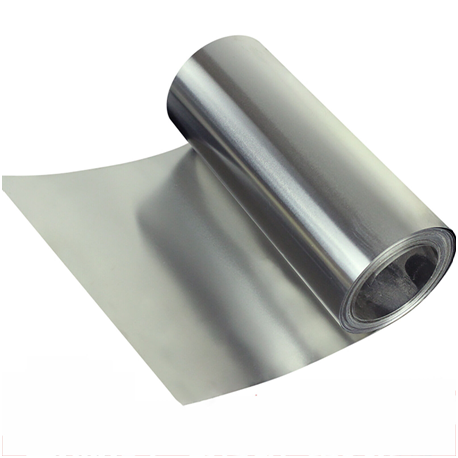
Titanium foil is a thin sheet of titanium, typically less than 0.1 mm in thickness. It is known for its excellent strength-to-weight ratio, corrosion resistance, and biocompatibility. These characteristics make it suitable for a wide range of applications, from aerospace to medical devices. The manufacturing process of titanium foil involves advanced techniques that ensure high purity and uniform thickness, which are crucial for its performance in specialized applications.
Titanium foil possesses several key properties that make it an attractive choice for manufacturers and researchers alike.
- Lightweight: Titanium is significantly lighter than steel, making it ideal for applications where weight is a critical factor. This property is particularly important in industries like aerospace, where reducing weight can lead to improved fuel efficiency and performance.
- Corrosion Resistance: Titanium is highly resistant to corrosion, even in harsh environments, which extends the lifespan of products made from it. This resistance is due to the formation of a protective oxide layer on the surface of titanium, making it suitable for use in marine and chemical applications.
- Biocompatibility: This property makes titanium foil suitable for medical applications, such as implants and prosthetics. The human body tolerates titanium well, reducing the risk of rejection and complications in surgical procedures.
- High Strength: Despite its lightweight nature, titanium foil is incredibly strong, making it suitable for demanding applications. Its strength allows for the design of thinner components without sacrificing structural integrity, which is a significant advantage in many engineering fields.
Titanium foil is used in various industries, each benefiting from its unique properties.
In the aerospace sector, titanium foil is used in components that require high strength and low weight. It is commonly found in aircraft structures, engine components, and other critical parts that must withstand extreme conditions. The use of titanium foil in aerospace applications helps reduce overall aircraft weight, leading to lower fuel consumption and increased payload capacity. Additionally, its resistance to high temperatures and fatigue makes it an ideal choice for components exposed to harsh operating environments.
The medical field utilizes titanium foil for implants and surgical instruments due to its biocompatibility. It is also used in dental applications, where strength and corrosion resistance are essential. Titanium implants can integrate with bone tissue, promoting healing and stability. Furthermore, the use of titanium in surgical tools ensures that they remain sterile and resistant to corrosion, which is crucial in maintaining hygiene in medical settings.
In automotive manufacturing, titanium foil is used in exhaust systems and other components that require lightweight materials without compromising strength. This helps improve fuel efficiency and overall vehicle performance. The automotive industry is increasingly adopting titanium to meet stringent emissions regulations and enhance vehicle dynamics. By incorporating titanium foil, manufacturers can create components that are not only lighter but also more durable, contributing to the longevity of vehicles.
Titanium foil is increasingly used in the electronics industry for microelectromechanical systems (MEMS) and sensors. Its properties allow for the creation of lightweight and durable electronic components. The use of titanium in electronics can lead to improved performance and reliability, especially in devices that require high precision and sensitivity. Additionally, titanium's resistance to electromagnetic interference makes it an excellent choice for shielding sensitive electronic components.
Due to its corrosion resistance, titanium foil is used in chemical processing equipment, including heat exchangers and reactors. It can withstand harsh chemicals and high temperatures, making it a reliable choice for these applications. The ability of titanium to resist corrosion in aggressive environments ensures the safety and efficiency of chemical processes. This property is particularly valuable in industries such as petrochemicals, pharmaceuticals, and food processing, where material integrity is paramount.
If you are looking to purchase titanium foil, there are several options available.
Many online platforms offer titanium foil for sale, including specialized metal suppliers and general e-commerce sites. Websites like Amazon and eBay have a variety of titanium foil products available in different sizes and thicknesses. Shopping online provides the convenience of comparing prices and specifications from multiple suppliers, allowing you to find the best deal for your needs.
For more specific needs, specialty metal suppliers provide a range of titanium foil options. These suppliers often offer custom sizes and grades, catering to specific industry requirements. Working with specialty suppliers can also provide access to expert advice on material selection and application, ensuring that you choose the right titanium foil for your project.
Local metal fabricators may also stock titanium foil or be able to order it for you. This option allows for quicker access and the possibility of discussing your specific needs with a knowledgeable supplier. Building a relationship with local fabricators can also lead to better service and support, as they may offer additional services such as cutting, shaping, or finishing the titanium foil to your specifications.
When purchasing titanium foil, several factors should be taken into account to ensure you get the right product for your needs.
Titanium foil comes in various thicknesses and sizes. Determine the specifications required for your application before making a purchase. Understanding the requirements of your project will help you select the appropriate thickness and dimensions, ensuring optimal performance in your application.
Different grades of titanium offer varying properties. For example, Grade 1 titanium is known for its excellent corrosion resistance, while Grade 5 titanium is stronger and more suitable for high-stress applications. Choose the grade that best fits your needs. Familiarizing yourself with the different grades and their characteristics can help you make an informed decision that aligns with your project requirements.
Ensure that you purchase from a reputable supplier. Look for reviews and testimonials to gauge the quality of their products and customer service. A reliable supplier will provide high-quality titanium foil and support throughout the purchasing process, including assistance with technical questions and after-sales service.
Prices for titanium foil can vary significantly based on thickness, size, and grade. Compare prices from different suppliers to find the best deal without compromising on quality. While it may be tempting to choose the cheapest option, consider the overall value, including the supplier's reputation and the quality of the product.
Titanium foil is a valuable material with a wide range of applications across various industries. Its unique properties make it an ideal choice for demanding environments, and its availability through various suppliers makes it accessible for both large-scale manufacturers and individual researchers. Whether you are in the aerospace, medical, automotive, or electronics industry, considering titanium foil for your next project could lead to significant benefits. By understanding the properties, applications, and purchasing options for titanium foil, you can leverage this material to enhance your projects and achieve your goals.
Titanium foil is used in aerospace, medical devices, automotive parts, electronics, and chemical processing due to its lightweight, strength, and corrosion resistance.
Titanium foil can be purchased from online retailers like Amazon and eBay, specialty metal suppliers, and local metal fabricators.
Titanium foil is available in various thicknesses, typically ranging from 0.01 mm to 0.1 mm.
Common grades of titanium include Grade 1 (high corrosion resistance), Grade 2 (good strength and corrosion resistance), and Grade 5 (high strength and heat resistance).
The price of titanium foil varies based on thickness, size, and grade. It is generally more expensive than other metals due to the cost of titanium extraction and processing.


