

Views: 333 Author: Lasting Titanium Publish Time: 2024-11-11 Origin: Site


Content Menu
● Introduction to Aluminium and Titanium Alloys
● Understanding Aluminium Alloys
>> Properties of Aluminium Alloys
>> Common Applications of Aluminium Alloys
● Understanding Titanium Alloys
>> Properties of Titanium Alloys
>> Common Applications of Titanium Alloys
● Comparing Aluminium and Titanium Alloys
● The Future of Aluminium and Titanium Alloys
>> Innovations in Alloy Development
>> Sustainability and Recycling
>> What are the main differences between aluminium and titanium alloys?
>> Are aluminium and titanium alloys recyclable?
>> In which industries are aluminium and titanium alloys commonly used?
>> Why is titanium more expensive than aluminium?
>> Can aluminium and titanium alloys be used together?
Aluminium and titanium alloys are two of the most significant materials used in various industries today. Their unique properties make them suitable for applications ranging from aerospace to automotive, and even in medical devices. This article delves into the characteristics, advantages, and applications of aluminium and titanium alloys, providing a detailed understanding of their roles in modern engineering. The increasing demand for lightweight, strong, and corrosion-resistant materials has propelled the development of these alloys, making them essential in advancing technology and innovation across multiple sectors.
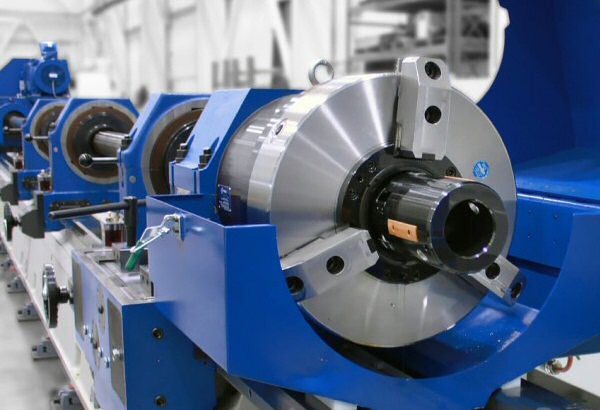
Aluminium alloys are materials made primarily from aluminium, combined with other elements to enhance their properties. These alloys can be categorized into two main types: wrought and cast. Wrought alloys are shaped by mechanical processes, such as rolling or extrusion, while cast alloys are formed by pouring molten metal into molds. The addition of elements like copper, magnesium, manganese, and silicon can significantly alter the mechanical properties of aluminium, allowing for a wide range of applications. This versatility is one of the reasons aluminium alloys are so prevalent in various industries.
Aluminium alloys are known for their lightweight nature, excellent corrosion resistance, and good thermal and electrical conductivity. They typically have a density of about 2.7 g/cm³, making them significantly lighter than many other metals. The strength-to-weight ratio of aluminium alloys is particularly advantageous in applications where reducing weight is crucial. Additionally, aluminium alloys can be easily machined and formed, which allows for intricate designs and complex shapes. Their ability to withstand extreme temperatures and resist oxidation further enhances their appeal in demanding environments.
Aluminium alloys are widely used in the aerospace industry for aircraft structures, in the automotive sector for lightweight vehicle components, and in construction for window frames and roofing. Their versatility also extends to consumer products, such as laptops and smartphones, where lightweight and durable materials are essential. In the aerospace sector, for instance, aluminium alloys are used in fuselage and wing structures, contributing to fuel efficiency and overall performance. In automotive applications, they help reduce vehicle weight, leading to improved fuel economy and reduced emissions.
Titanium alloys are composed mainly of titanium, often combined with elements like aluminium, vanadium, and molybdenum to improve their mechanical properties. These alloys are known for their high strength, low density, and excellent corrosion resistance. The unique combination of titanium with other elements allows for the creation of alloys that can withstand extreme conditions, making them suitable for high-performance applications. The development of titanium alloys has opened new avenues in engineering, particularly in fields that require materials to perform reliably under stress.
Titanium alloys have a density of approximately 4.43 g/cm³, which is higher than that of aluminium but still relatively low compared to other metals like steel. They exhibit remarkable strength, with tensile strengths ranging from 230 to 1400 MPa. Additionally, titanium alloys are highly resistant to corrosion, making them ideal for harsh environments. Their ability to maintain strength at elevated temperatures further enhances their utility in aerospace and industrial applications. The biocompatibility of titanium alloys also makes them suitable for medical implants, where they can integrate well with human tissue.
Due to their strength and resistance to corrosion, titanium alloys are extensively used in aerospace applications, including aircraft engines and airframes. They are also popular in medical implants, such as hip and knee replacements, due to their biocompatibility and strength. In the oil and gas industry, titanium alloys are used in offshore drilling equipment and pipelines, where exposure to corrosive environments is common. The automotive industry is also beginning to explore the use of titanium alloys for high-performance components, where weight savings and strength are critical.
When comparing aluminium and titanium alloys, one of the most significant differences is their strength-to-weight ratio. Titanium alloys are generally stronger than aluminium alloys, making them suitable for applications where high strength is required without a significant increase in weight. However, aluminium alloys are lighter, which can be advantageous in applications where weight reduction is critical. This difference in properties means that engineers must carefully consider the specific requirements of their projects when selecting materials. For instance, in aerospace applications, the choice between aluminium and titanium can significantly impact fuel efficiency and overall performance.
Cost is another critical factor when comparing these two materials. Aluminium alloys are typically less expensive to produce and process than titanium alloys. This cost difference is due to the more complex extraction and processing methods required for titanium. As a result, aluminium is often the material of choice for applications where budget constraints are a concern. However, the long-term benefits of using titanium, such as reduced maintenance costs and longer service life, can sometimes justify the higher initial investment. Understanding the total cost of ownership is essential for making informed material choices.
Both aluminium and titanium alloys offer excellent corrosion resistance, but titanium alloys excel in more aggressive environments. Titanium's ability to withstand corrosion makes it ideal for marine applications and chemical processing industries, where exposure to harsh chemicals is common. The formation of a protective oxide layer on titanium surfaces enhances its resistance to corrosion, making it a preferred choice for applications in saltwater environments. In contrast, while aluminium alloys also resist corrosion, they may require protective coatings in particularly harsh conditions to maintain their integrity over time.
The development of new aluminium and titanium alloys continues to evolve, with researchers focusing on enhancing their properties further. Innovations such as the creation of hybrid alloys, which combine the best characteristics of both materials, are being explored. These advancements aim to improve performance in specific applications, particularly in aerospace and automotive industries. Research into additive manufacturing techniques, such as 3D printing, is also paving the way for new possibilities in alloy design and application, allowing for more complex geometries and reduced material waste.
Sustainability is becoming increasingly important in material selection. Both aluminium and titanium alloys are recyclable, which reduces their environmental impact. The recycling process for aluminium is well-established, allowing for significant energy savings compared to primary production. Titanium recycling is also gaining traction, although it is more complex due to the material's properties. As industries strive to reduce their carbon footprints, the ability to recycle and reuse materials will play a crucial role in the future of aluminium and titanium alloys. Companies are increasingly looking for ways to incorporate recycled materials into their production processes, further enhancing sustainability efforts.
Aluminium and titanium alloys play crucial roles in modern engineering, each offering unique advantages that cater to different applications. Understanding their properties, strengths, and weaknesses is essential for selecting the appropriate material for specific needs. As technology advances, the development of new alloys and sustainable practices will continue to shape the future of these materials in various industries. The ongoing research and innovation in this field promise to unlock new applications and improve the performance of existing materials, ensuring that aluminium and titanium alloys remain at the forefront of engineering solutions.
Aluminium alloys are lighter and less expensive, while titanium alloys are stronger and more corrosion-resistant. The choice between them depends on the specific application requirements.
Yes, both aluminium and titanium alloys are recyclable, which helps reduce their environmental impact.
Aluminium alloys are widely used in aerospace, automotive, and construction industries, while titanium alloys are primarily used in aerospace and medical applications.
Titanium is more expensive due to its complex extraction and processing methods, which require more energy and resources compared to aluminium.
Yes, aluminium and titanium alloys can be used together in certain applications, particularly in hybrid structures where the strengths of both materials can be leveraged.


