

Views: 360 Author: Lasting Titanium Publish Time: 2025-04-01 Origin: Site


Content Menu
● 1. Aircraft Structural Components
>> 1.1 Importance of Lightweight Materials
>> 1.2 Applications in Airframes
>> 2.1 High-Temperature Resistance
>> 2.2 Specific Engine Applications
>> 3.1 Role of Fasteners in Aviation
>> 3.2 Benefits of Titanium Fasteners
>> 4.1 Importance of Landing Gear
>> 4.2 Titanium in Landing Gear
>> 5.1 Role of Fuel Systems in Aviation
>> 5.2 Titanium's Corrosion Resistance
>> 1. What are the main advantages of using titanium threaded bars in aviation?
>> 2. How do titanium threaded bars improve fuel efficiency in aircraft?
>> 3. Are titanium threaded bars more expensive than traditional materials?
>> 4. Can titanium threaded bars be used in other industries besides aviation?
>> 5. What is the future of titanium threaded bars in the aviation industry?
Titanium threaded bars have become increasingly important in the aviation industry due to their unique properties, including high strength-to-weight ratio, corrosion resistance, and ability to withstand extreme temperatures. These characteristics make titanium an ideal material for various applications in aircraft design and manufacturing. In this article, we will explore the top five applications of titanium threaded bars in the aviation industry, highlighting their significance and benefits.
In aviation, weight reduction is crucial for improving fuel efficiency and overall performance. Every kilogram saved in the aircraft's weight can lead to significant savings in fuel costs over time. Titanium threaded bars are significantly lighter than traditional materials like steel, making them an excellent choice for structural components. By using titanium, manufacturers can design aircraft that are not only lighter but also maintain the necessary strength and durability. This shift towards lightweight materials is essential as airlines seek to reduce operational costs and meet environmental regulations aimed at lowering carbon emissions.
Titanium threaded bars are commonly used in the construction of airframes. They are employed in various parts of the aircraft structure, including fuselage frames, wing structures, and tail assemblies. The use of titanium in these areas helps to reduce the overall weight of the aircraft while ensuring that it can withstand the stresses encountered during flight. Additionally, titanium's resistance to fatigue and crack propagation enhances the longevity of these components, reducing the need for frequent maintenance and inspections. This reliability is particularly important in commercial aviation, where safety and operational efficiency are paramount.
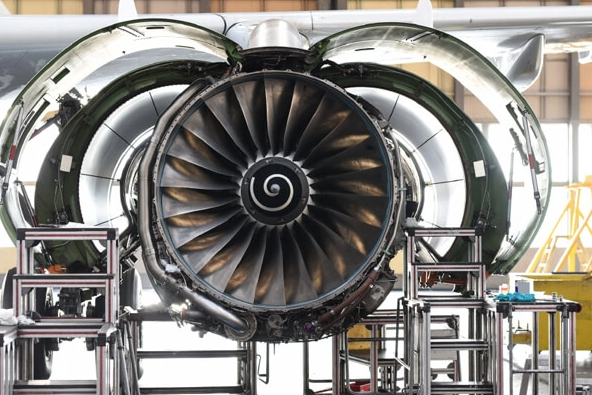
Titanium threaded bars are particularly valuable in engine components due to their ability to withstand high temperatures. Aircraft engines operate under extreme conditions, with temperatures often exceeding 1,000 degrees Celsius. Materials used in their construction must be able to endure these environments without degrading. Titanium's excellent thermal stability ensures that it maintains its mechanical properties even at elevated temperatures, making it a preferred choice for critical engine components.
In jet engines, titanium threaded bars are used in various components, including turbine blades, compressor sections, and exhaust systems. Their lightweight nature and high strength allow for more efficient engine designs, contributing to improved fuel efficiency and performance. Moreover, the use of titanium in these applications helps to reduce the overall weight of the engine, which is crucial for enhancing the aircraft's thrust-to-weight ratio. As engine technology continues to advance, the demand for innovative materials like titanium will likely increase, leading to further developments in engine design and efficiency.
Fasteners are critical in aviation, as they hold various components together and ensure structural integrity. The safety of an aircraft heavily relies on the quality and reliability of its fasteners. Titanium threaded bars are increasingly used as fasteners due to their strength and resistance to corrosion. The aviation industry demands fasteners that can withstand not only mechanical stresses but also environmental factors such as humidity, temperature fluctuations, and exposure to various chemicals.
Using titanium threaded bars as fasteners offers several advantages, including reduced weight, enhanced corrosion resistance, and improved fatigue strength. These properties are essential for maintaining the safety and reliability of aircraft, especially in harsh environments. Additionally, titanium fasteners can help reduce the overall maintenance burden on airlines, as they are less prone to corrosion and wear compared to traditional materials. This longevity translates to lower replacement costs and increased operational efficiency, making titanium an attractive option for aircraft manufacturers.
Landing gear systems are vital for the safe operation of aircraft, as they support the weight of the aircraft during takeoff, landing, and taxiing. The materials used in landing gear must be strong and durable to withstand the forces encountered during these operations. Given the critical nature of landing gear, manufacturers are continually seeking materials that can enhance performance while ensuring safety.
Titanium threaded bars are used in various components of landing gear systems, including struts, brackets, and attachment points. Their lightweight and high-strength properties help to reduce the overall weight of the landing gear, improving the aircraft's performance and fuel efficiency. Furthermore, titanium's resistance to corrosion and fatigue ensures that landing gear components remain reliable over time, even under the stresses of repeated landings and takeoffs. As the aviation industry moves towards more efficient and sustainable practices, the use of titanium in landing gear systems will likely become more prevalent.
Fuel systems are essential for the operation of aircraft, as they store and deliver fuel to the engines. The materials used in these systems must be resistant to corrosion and capable of withstanding the pressures and temperatures associated with fuel storage and delivery. Given the critical nature of fuel systems, manufacturers must prioritize materials that ensure safety and reliability.
Titanium threaded bars are used in fuel system components due to their excellent corrosion resistance. This property is particularly important in aviation, where exposure to various fuels and environmental conditions can lead to material degradation. By using titanium, manufacturers can ensure the longevity and reliability of fuel systems. Additionally, titanium's non-reactive nature with fuels minimizes the risk of contamination, further enhancing the safety of the aircraft's fuel system. As the aviation industry continues to innovate, the role of titanium in fuel systems will likely expand, contributing to more efficient and safer aircraft operations.
Titanium threaded bars play a crucial role in the aviation industry, offering numerous benefits across various applications. From structural components to engine parts, fasteners, landing gear systems, and fuel systems, the use of titanium enhances the performance, safety, and efficiency of aircraft. As the aviation industry continues to evolve, the demand for lightweight, durable materials like titanium will only increase, solidifying its place as a key material in aircraft design and manufacturing.
Titanium threaded bars offer a high strength-to-weight ratio, excellent corrosion resistance, and the ability to withstand extreme temperatures, making them ideal for various aviation applications.
By reducing the overall weight of the aircraft, titanium threaded bars contribute to improved fuel efficiency, allowing for better performance and reduced operational costs.
Yes, titanium threaded bars are generally more expensive than traditional materials like steel. However, their long-term benefits, such as reduced maintenance costs and improved performance, often justify the initial investment.
Yes, titanium threaded bars are also used in various industries, including marine, medical, and automotive, due to their unique properties and performance characteristics.
As the aviation industry continues to prioritize weight reduction and fuel efficiency, the use of titanium threaded bars is expected to grow, leading to more innovative applications and designs in aircraft manufacturing.


