

Views: 380 Author: Lasting Titanium Publish Time: 2025-05-10 Origin: Site


Content Menu
● Understanding Titanium Fasteners
● Importance of Quality Testing
● Methods for Testing Titanium Fasteners
>> 4. Non-Destructive Testing (NDT)
>> 1. What are titanium fasteners used for?
>> 2. How do you test the strength of titanium fasteners?
>> 3. What is the most common titanium alloy used for fasteners?
>> 4. Why is non-destructive testing important for titanium fasteners?
>> 5. How can corrosion resistance be tested in titanium fasteners?
Titanium fasteners, known for their exceptional strength-to-weight ratio and corrosion resistance, are widely used in various industries, including aerospace, automotive, and marine applications. These fasteners are critical components that ensure the integrity and safety of structures and machinery. However, ensuring the quality of these fasteners is crucial for the safety and reliability of the structures they support. This article explores the best methods for testing the quality of titanium fasteners, detailing various techniques and considerations that manufacturers and engineers should keep in mind.
Titanium fasteners include bolts, screws, nuts, and washers made from titanium or titanium alloys. They are preferred in applications where lightweight and high strength are essential. Titanium fasteners are particularly valued in environments that are corrosive or require high-temperature resistance. The most common titanium alloy used in fasteners is Grade 5 titanium (Ti-6Al-4V), which offers a good balance of strength and ductility. This alloy is favored not only for its mechanical properties but also for its ability to withstand extreme conditions, making it ideal for critical applications in aerospace and other high-performance sectors. Understanding the specific properties of titanium and its alloys is essential for selecting the right fasteners for a given application.
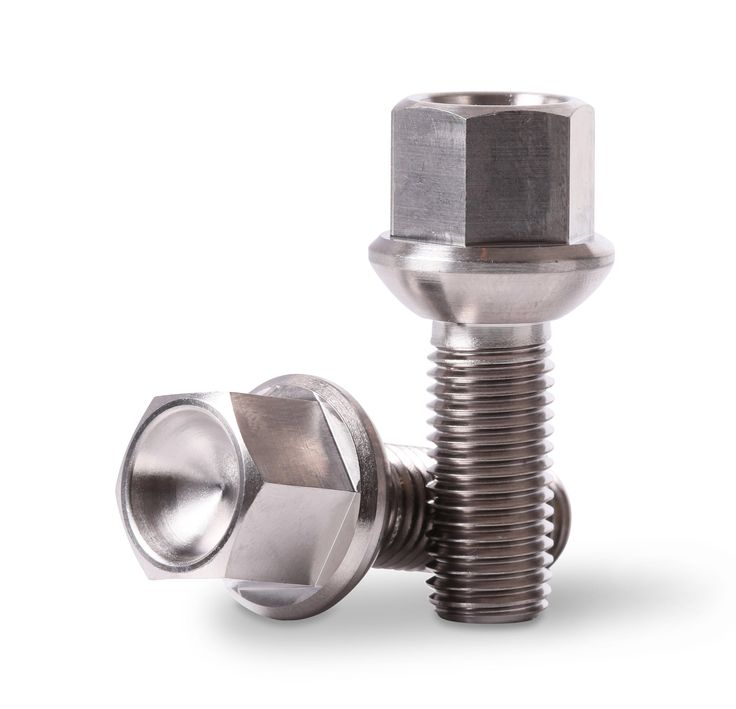
Quality testing of titanium fasteners is vital for several reasons:
1. Safety: In critical applications, such as aerospace, the failure of a fastener can lead to catastrophic results. The integrity of fasteners directly impacts the safety of aircraft, vehicles, and structures, making rigorous testing essential to prevent failures that could endanger lives.
2. Performance: High-quality fasteners ensure that structures perform as intended under various loads and environmental conditions. The performance of titanium fasteners can significantly affect the overall efficiency and reliability of machinery and structures, especially in demanding environments.
3. Regulatory Compliance: Many industries have strict regulations regarding the materials and components used in their products, necessitating thorough testing. Compliance with industry standards not only ensures safety but also enhances the reputation of manufacturers and their products in the marketplace.
Visual inspection is the first step in quality control for titanium fasteners. Inspectors look for surface defects such as cracks, pits, or discoloration. This method is quick and can often identify obvious issues that may affect performance. Visual inspections can be performed using magnifying tools or even under magnification to detect minute defects that could compromise the fastener's integrity. Regular visual inspections can help catch problems early in the manufacturing process, reducing the risk of defective products reaching the market.
Dimensional inspection involves measuring the physical dimensions of the fasteners to ensure they meet specified tolerances. This can be done using calipers, micrometers, or coordinate measuring machines (CMM). Accurate dimensions are critical for the proper fit and function of fasteners in assemblies. Any deviation from specified dimensions can lead to improper assembly, increased wear, or even failure under load. Therefore, dimensional inspection is a fundamental aspect of quality assurance that helps maintain consistency and reliability in production.
Mechanical testing assesses the strength and ductility of titanium fasteners. Common tests include:
- Tensile Testing: This test measures the maximum load a fastener can withstand before breaking. It provides information on yield strength, ultimate tensile strength, and elongation. Understanding these properties is crucial for predicting how a fastener will behave under load and ensuring it can withstand the forces it will encounter in service.
- Hardness Testing: Hardness tests, such as Rockwell or Brinell, determine the resistance of the fastener to deformation. This is important for understanding how the fastener will perform under load. Hardness testing can also indicate the effectiveness of heat treatment processes and the overall quality of the material.
Non-destructive testing methods allow for the evaluation of fasteners without causing damage. Common NDT methods include:
- Ultrasonic Testing: This technique uses high-frequency sound waves to detect internal flaws or inconsistencies in the material. Ultrasonic testing is particularly useful for identifying defects that are not visible on the surface, such as voids or inclusions that could weaken the fastener.
- Magnetic Particle Inspection: This method is effective for detecting surface and near-surface defects in ferromagnetic materials. While titanium is not magnetic, this method can be adapted for certain titanium alloys. It involves applying a magnetic field and then using ferrous particles to reveal defects.
- Dye Penetrant Testing: This involves applying a dye to the surface of the fastener, which seeps into cracks or defects. After a specified time, excess dye is removed, and a developer is applied to reveal any flaws. This method is simple and effective for identifying surface-breaking defects.
Chemical analysis is essential for verifying the composition of titanium fasteners. Techniques such as:
- Spectroscopy: This method identifies the elemental composition of the fastener, ensuring it meets the required specifications for titanium alloys. Accurate chemical composition is critical for ensuring that the fastener will perform as expected in its intended application.
- X-ray Fluorescence (XRF): XRF is a non-destructive method that can quickly determine the elemental makeup of the fastener. This technique is particularly useful for quality control in manufacturing, as it allows for rapid testing without damaging the fastener.
Fatigue testing evaluates how a fastener performs under cyclic loading conditions. This is particularly important for applications where fasteners are subjected to repeated stress. The test helps predict the lifespan of the fastener and its ability to withstand fatigue failure. Understanding fatigue behavior is crucial for applications in aerospace and automotive industries, where components are often subjected to dynamic loads.
Given titanium's excellent corrosion resistance, testing for corrosion resistance is crucial, especially in marine or chemical environments. Common methods include:
- Salt Spray Testing: This test exposes fasteners to a saline environment to evaluate their resistance to corrosion over time. It simulates harsh environmental conditions and helps predict how the fasteners will perform in real-world applications.
- Electrochemical Testing: Techniques such as potentiodynamic polarization can assess the corrosion behavior of titanium in various environments. This testing provides valuable insights into the long-term durability of titanium fasteners in corrosive settings.
Proof load testing involves applying a specified load to the fastener to ensure it can withstand the maximum expected load in service without permanent deformation. This test is critical for ensuring the fastener's reliability in real-world applications. By simulating actual service conditions, proof load testing helps verify that the fastener will perform as intended under operational stresses.
Testing the quality of titanium fasteners is a multifaceted process that involves various methods to ensure safety, performance, and compliance with industry standards. From visual inspections to advanced mechanical and non-destructive testing techniques, each method plays a vital role in the overall quality assurance process. By implementing these testing methods, manufacturers can ensure that their titanium fasteners meet the high standards required for critical applications. The rigorous testing of titanium fasteners not only enhances product reliability but also contributes to the overall safety and efficiency of the systems in which they are used.
Titanium fasteners are used in applications requiring high strength and low weight, such as aerospace, automotive, and marine industries. Their unique properties make them ideal for environments where corrosion resistance and high performance are essential.
The strength of titanium fasteners is typically tested through tensile testing, which measures the maximum load they can withstand before breaking. This test provides critical data on the fastener's mechanical properties, ensuring it meets the necessary performance standards.
The most common titanium alloy used for fasteners is Grade 5 titanium (Ti-6Al-4V), known for its excellent strength and corrosion resistance. This alloy is widely used in various applications due to its favorable mechanical properties.
Non-destructive testing is important because it allows for the evaluation of fasteners without causing damage, ensuring their integrity and reliability. This testing is crucial for identifying hidden defects that could compromise performance.
Corrosion resistance can be tested using methods such as salt spray testing and electrochemical testing to evaluate how well the fasteners withstand corrosive environments. These tests help predict the long-term durability of titanium fasteners in challenging conditions.


