
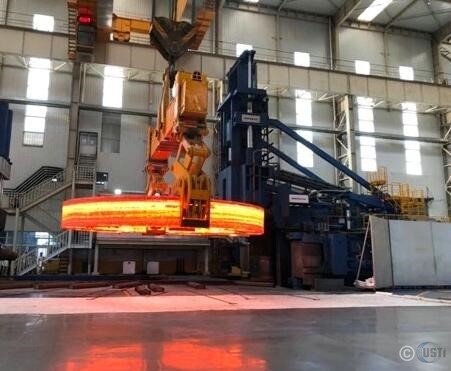
Titanium bar is not necessarily un-forged, and a forging is not automatically stronger or more cost-effective. This guide compares machining from standard bar stock with using a shaped forged preform, explaining how alloy, material condition, geometry, load direction, microstructure, inspection, machining waste, tooling, and production volume influence the choice. It also outlines practical supplier questions and purchase-specification details to help engineers and buyers compare routes, verify requirements, and assess total cost for their part.
View More
*Titanium coil is a material option for chemical-processing equipment where corrosion resistance, formability, and component weight matter. But selecting the right product means specifying more than “titanium”: buyers and engineers should define the grade, product form, dimensions, process chemistry
View More
Titanium pipe for offshore equipment must be selected against the actual service environment, design loads and project specifications. Compare Grades 2, 7 and 12 based on engineering evidence—not a universal ranking. Specify seamless or welded pipe under the applicable ASTM standard, calculate wall thickness with all required allowances and tolerances, and verify documentation, fabrication and inspection requirements before ordering.
View More
*Titanium strip coil for heat-exchanger fabrication—feedstock for plate blanks and formed components, not a substitute for finished coil tubing or finished heat-exchanger plates.***Titanium coil for heat exchangers** can refer to two different products: finished coil tubing used in a heat exchanger,
View More
ASTM B265 defines requirements for annealed titanium and titanium alloy strip, sheet, and plate—but buyers should specify product form, dimensions, tolerances, grade, condition, testing, and documentation in the order. Choose grades for the application, verify chemistry and traceability, and confirm hydrogen limits against the applicable standard edition.
View More
Titanium sheet for medical devices must be specified by exact grade, standard, product form, and intended use. ASTM F67 and ISO 5832-2 cover implant materials; ASTM B265 is a general sheet specification, not an automatic implant substitute. Verify lot traceability, testing, processing, and device-level requirements.
View More
Grade 2 titanium sheet is a commercially pure material used in chemical-processing equipment when its corrosion resistance, formability, and strength suit the service conditions. Confirm process chemistry, temperature, dimensions, ASTM B265 requirements, traceability, and fabrication needs before ordering. Send your specifications to Shannxi Lasting for a project-specific quotation.
View More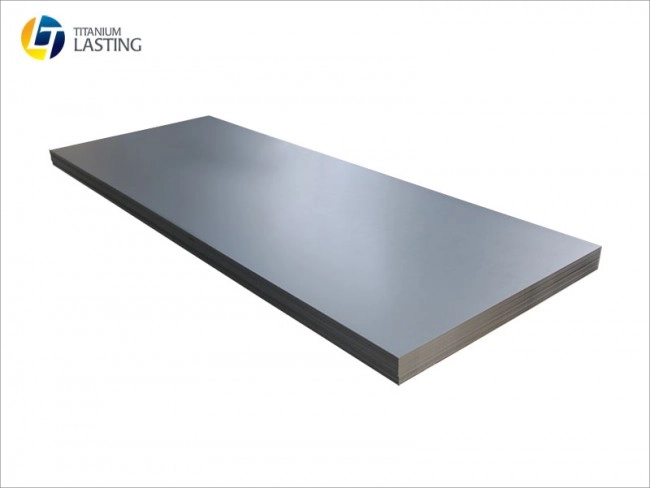
Compare Grade 2 and Grade 12 titanium plates for wet FGD towers. Review strength, elongation, hot-chloride crevice-corrosion considerations, Grade 7 as an alternative, welding and hydrogen risks, plus a practical checklist for material selection and procurement.
View More
Titanium is becoming an increasingly important material in the food industry, especially for **titanium cookware, food-processing equipment, storage vessels, professional kitchen products, and specialized food-contact components**. Its combination of low density, high strength, corrosion resistance,
View More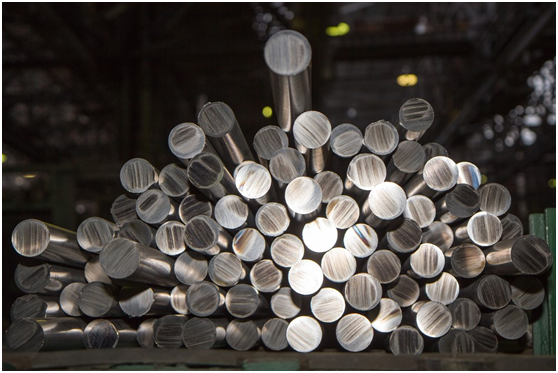
Learn how to verify a titanium manufacturer’s AS9100 and PED certification, review key documents, confirm product traceability, identify certification red flags, and choose a reliable supplier for aerospace, pressure equipment, and industrial applications.
View More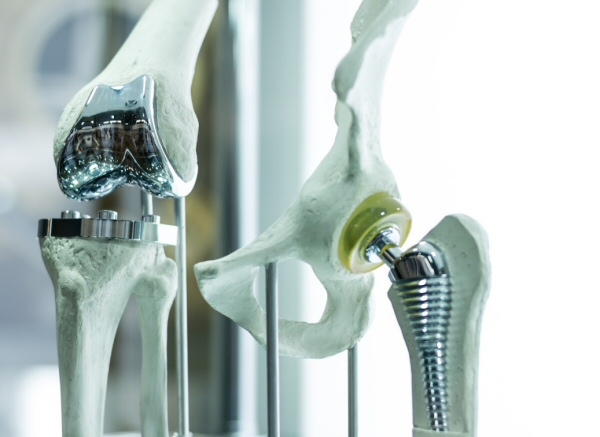
Ti-6Al-4V ELI has lower interstitial elements, offering better toughness and ductility. It is widely preferred for surgical implants, subject to ASTM F136 and device-specific validation.
View More
When sourcing **titanium bar, titanium alloy components, or CNC-machined titanium parts**, selecting a supplier based only on price, equipment lists, or attractive product photographs can create serious quality and delivery risks. A qualified **titanium supplier** must demonstrate control over the c
View More


