

Views: 400 Author: Lasting Titanium Publish Time: 2025-04-26 Origin: Site


Content Menu
● Introduction to Titanium Threaded Bars
● Advantages of Titanium Threaded Bars
>> 2. High Strength-to-Weight Ratio
>> 4. High-Temperature Resistance
● Applications of Titanium Threaded Bars in Automotive Manufacturing
>> 5. Fasteners and Connectors
● The Future of Titanium Threaded Bars in the Automotive Sector
>> 1. What are titanium threaded bars used for?
>> 2. How do titanium threaded bars compare to stainless steel?
>> 3. Are titanium threaded bars cost-effective for automotive applications?
>> 4. Can titanium threaded bars be used in high-temperature environments?
>> 5. What is the future of titanium threaded bars in the automotive industry?
Titanium threaded bars are increasingly becoming a staple in the automotive industry due to their unique properties and advantages over traditional materials. This article explores the various applications of titanium threaded bars in automotive manufacturing, their benefits, and why they are considered a superior choice for high-performance vehicles.
Titanium threaded bars are cylindrical rods made from titanium, featuring threads along their length. Known for their high strength-to-weight ratio, excellent corrosion resistance, and ability to withstand extreme temperatures, these bars are ideal for various applications in the automotive sector. The automotive industry has recognized the potential of titanium threaded bars, particularly in high-performance vehicles, where weight reduction and durability are critical. As manufacturers strive to enhance vehicle performance and efficiency, the integration of titanium threaded bars into automotive design is becoming more prevalent, marking a significant shift in material selection.
One of the most significant advantages of titanium threaded bars is their lightweight nature. Titanium is approximately 45% lighter than steel, which allows automotive manufacturers to reduce the overall weight of vehicles. This weight reduction is crucial for improving fuel efficiency and enhancing vehicle performance. Lighter vehicles require less energy to accelerate, which translates to better fuel economy and lower emissions. Additionally, the reduced weight can lead to improved handling and maneuverability, making vehicles more responsive and enjoyable to drive. As the automotive industry increasingly focuses on sustainability, the lightweight properties of titanium threaded bars align perfectly with the goals of reducing carbon footprints and enhancing overall vehicle efficiency.
Titanium boasts a remarkable strength-to-weight ratio, making it an excellent choice for components that require both strength and lightness. This property is particularly beneficial in high-stress applications, such as engine components and suspension systems, where failure is not an option. The ability to use titanium threaded bars allows engineers to design components that can withstand significant loads while minimizing weight. This is especially important in performance vehicles, where every ounce counts. The high strength of titanium also means that components can be designed with thinner walls or less material, further contributing to weight savings without compromising safety or performance.
Titanium is highly resistant to corrosion, even in harsh environments. This characteristic is essential for automotive applications, where components are often exposed to moisture, salt, and other corrosive substances. The longevity of titanium threaded bars reduces maintenance costs and enhances the reliability of automotive systems. Corrosion can lead to structural failures and costly repairs, making titanium an attractive option for manufacturers looking to improve the durability of their vehicles. Furthermore, the corrosion resistance of titanium threaded bars ensures that they maintain their aesthetic appeal over time, as they are less likely to tarnish or degrade compared to traditional materials.
Titanium can withstand high temperatures without losing its structural integrity. This property is particularly advantageous in automotive applications such as exhaust systems and turbochargers, where components are subjected to extreme heat. The ability of titanium threaded bars to maintain their strength and performance at elevated temperatures makes them ideal for high-performance engines that generate significant heat. This resistance to thermal degradation not only enhances the reliability of automotive components but also allows for more aggressive tuning and performance enhancements, as manufacturers can push engines to their limits without fear of component failure.
While not a primary concern in automotive applications, titanium's biocompatibility makes it suitable for use in medical devices and implants. This characteristic highlights the versatility of titanium as a material, allowing for cross-industry applications. The biocompatibility of titanium means that it can be safely used in environments where it may come into contact with biological tissues, making it an excellent choice for applications beyond automotive. This versatility opens up opportunities for automotive manufacturers to explore innovative designs and applications that may incorporate titanium threaded bars in ways that were previously not considered.
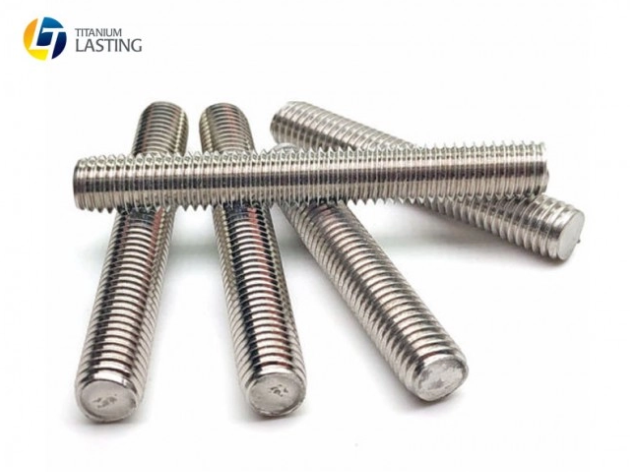
Titanium threaded bars are increasingly used in engine components, including cylinder heads, connecting rods, and valve retainers. Their lightweight nature contributes to improved engine performance and efficiency, making them ideal for high-performance and racing vehicles. The use of titanium in these critical components allows for higher rev limits and improved throttle response, as the reduced weight of the parts leads to quicker acceleration. Additionally, the strength of titanium ensures that these components can withstand the extreme forces generated during engine operation, providing peace of mind for manufacturers and consumers alike.
In suspension systems, titanium threaded bars provide the necessary strength and durability while minimizing weight. This application is crucial for maintaining vehicle stability and handling, especially in performance-oriented cars. The use of titanium in suspension components allows for more precise tuning and adjustments, enabling engineers to optimize the vehicle's handling characteristics. Furthermore, the reduced weight of titanium suspension components can lead to improved ride quality and comfort, as the suspension can respond more effectively to road conditions.
The high-temperature resistance of titanium makes it an excellent choice for exhaust systems. Titanium threaded bars can withstand the extreme heat generated by exhaust gases, ensuring the longevity and reliability of the system. The lightweight nature of titanium also contributes to reduced overall vehicle weight, which is particularly beneficial in performance applications. Additionally, titanium exhaust systems are known for their ability to produce a distinctive sound, enhancing the driving experience for enthusiasts. The combination of performance benefits and aesthetic appeal makes titanium a popular choice for aftermarket exhaust systems.
Titanium threaded bars are also used in various chassis components, where strength and weight savings are critical. Their ability to resist corrosion ensures that these components remain functional and reliable over time. The use of titanium in chassis applications allows for innovative designs that can improve vehicle rigidity and safety without adding unnecessary weight. This is particularly important in motorsport applications, where every detail can impact performance. The durability of titanium also means that chassis components can withstand the rigors of racing without the need for frequent replacements.
Titanium threaded bars serve as fasteners and connectors in various automotive applications. Their strength and lightweight properties make them ideal for securing components without adding unnecessary weight to the vehicle. The use of titanium fasteners can enhance the overall performance and reliability of automotive systems, as they are less likely to fail under stress compared to traditional materials. Additionally, the corrosion resistance of titanium ensures that these fasteners maintain their integrity over time, reducing the risk of loosening or failure due to environmental factors.
As the automotive industry continues to evolve, the demand for lightweight, durable materials will only increase. Titanium threaded bars are poised to play a significant role in this transformation, particularly as manufacturers strive to meet stringent fuel efficiency standards and reduce emissions. The adoption of titanium in automotive design is not just a trend; it represents a shift towards more sustainable and efficient manufacturing practices. As electric and hybrid vehicles become more prevalent, the need for lightweight materials that can enhance battery efficiency and overall performance will drive further innovation in the use of titanium threaded bars.
Titanium threaded bars offer numerous advantages for automotive applications, including lightweight properties, high strength, corrosion resistance, and high-temperature durability. Their use in engine components, suspension systems, exhaust systems, and chassis components highlights their versatility and effectiveness in enhancing vehicle performance. As the automotive industry moves towards more sustainable practices, the reliance on titanium threaded bars is expected to grow, making them a key material in the future of automotive manufacturing. The ongoing research and development in titanium alloys and manufacturing techniques will likely lead to even more innovative applications, further solidifying titanium's place in the automotive sector.
Titanium threaded bars are used in various applications, including automotive, aerospace, marine, and medical devices, due to their strength and corrosion resistance.
Titanium threaded bars are lighter and have a higher strength-to-weight ratio than stainless steel. They also offer superior corrosion resistance, especially in harsh environments.
While titanium threaded bars can be more expensive than traditional materials, their durability and reduced maintenance needs can lead to long-term cost savings in automotive applications.
Yes, titanium threaded bars can withstand high temperatures without losing their structural integrity, making them suitable for applications such as exhaust systems.
The future of titanium threaded bars in the automotive industry looks promising, as manufacturers increasingly seek lightweight and durable materials to improve fuel efficiency and reduce emissions.


