

Views: 352 Author: Lasting Titanium Publish Time: 2024-11-28 Origin: Site


Content Menu
>>> Commercially Pure Titanium Bars
>> Common Applications of Titanium Bars
● Factors Affecting the Cost of Titanium Bars
● How to Navigate Titanium Bar Pricing
>> Research and Compare Suppliers
>> Stay Informed on Market Trends
>> Evaluate Total Cost of Ownership
Titanium bars are essential components in various industries, including aerospace, medical, and automotive sectors. Understanding the cost of titanium bars is crucial for manufacturers and engineers who rely on these materials for their projects. This article explores the factors that influence the cost of titanium bars, the different types available, and how to navigate pricing effectively.
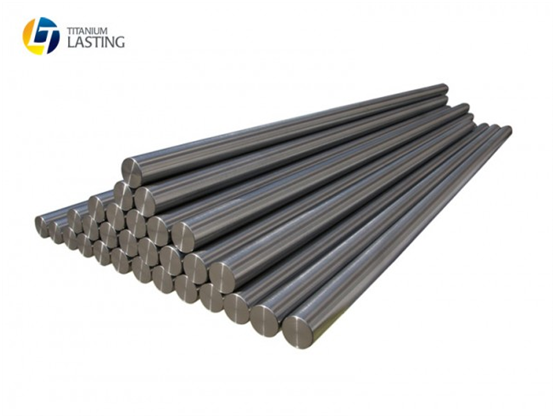
Titanium bars are solid pieces of titanium that come in various shapes and sizes. They are known for their high strength-to-weight ratio, corrosion resistance, and biocompatibility, making them ideal for demanding applications. The most common grades of titanium used for bars include Grade 2 and Grade 5 (Ti-6Al-4V), each offering unique properties suited for specific uses. The versatility of titanium bars allows them to be used in a wide range of applications, from structural components in aircraft to surgical implants in the medical field. Their ability to withstand extreme temperatures and harsh environments further enhances their appeal across different sectors.
Titanium bars can be categorized based on their composition and intended use. The primary types include:
These bars are made from titanium with minimal alloying elements. They are often used in applications where corrosion resistance is critical, such as in chemical processing and marine environments. Commercially pure titanium is favored for its excellent weldability and formability, making it suitable for various fabrication processes. Industries that require high purity levels, such as pharmaceuticals and food processing, often opt for these bars to ensure product integrity and safety.
Alloy bars, such as Grade 5 titanium, contain additional elements like aluminum and vanadium. These alloys provide enhanced strength and are commonly used in aerospace and medical applications. The addition of alloying elements not only improves the mechanical properties of titanium but also enhances its performance under stress and fatigue. For instance, Grade 5 titanium is known for its high tensile strength and is often used in critical applications where failure is not an option, such as in aircraft components and orthopedic implants.
Titanium bars are utilized in various industries due to their unique properties. Some common applications include:
Aerospace Components: Used in aircraft structures and engine components due to their lightweight and strength. The aerospace industry demands materials that can withstand high stress and extreme temperatures, making titanium an ideal choice for components like landing gear, engine mounts, and structural frames.
Medical Devices: Employed in surgical instruments and implants because of their biocompatibility. Titanium's ability to integrate with human bone and tissue makes it a preferred material for dental implants, orthopedic devices, and surgical tools, ensuring both safety and effectiveness in medical procedures.
Marine Applications: Used in shipbuilding and offshore structures due to their resistance to seawater corrosion. The marine environment poses significant challenges for materials, and titanium's resistance to pitting and crevice corrosion makes it suitable for components like propeller shafts, hulls, and underwater fasteners.
The cost of titanium bars can vary significantly based on several factors. Understanding these factors can help buyers make informed purchasing decisions.
The price of titanium is influenced by the availability of raw materials and the cost of extraction and processing. Titanium is primarily sourced from minerals like rutile and ilmenite, and fluctuations in mining costs can directly impact bar prices. Additionally, geopolitical factors and trade policies can affect the supply chain, leading to price volatility. As demand for titanium increases in emerging markets, the competition for raw materials may further drive up costs.
The method used to manufacture titanium bars also affects their cost. Common processes include:
Extrusion: This method involves forcing titanium through a die to create bars of specific shapes. It is efficient for producing large quantities but can be costly due to the energy required and the need for specialized equipment. The extrusion process allows for the creation of complex shapes that may not be achievable through other methods, providing manufacturers with flexibility in design.
Machining: This process involves cutting titanium into bars from larger pieces. While it allows for precise dimensions, it can be more expensive due to labor and material waste. Machining is often used for custom orders where specific tolerances are required, and the ability to produce small batches of specialized components can justify the higher costs.
Different grades of titanium have varying costs. For instance, Grade 5 titanium bars are generally more expensive than Grade 2 due to the additional alloying elements and the enhanced properties they offer. Additionally, specific specifications, such as size and finish, can influence pricing. Custom finishes, such as anodizing or polishing, can add to the overall cost but may be necessary for certain applications where aesthetics or surface properties are critical.
The demand for titanium bars in various industries can lead to price fluctuations. For example, increased demand in the aerospace sector can drive up prices, while a downturn in the oil and gas industry may lead to lower costs. Seasonal trends and economic cycles also play a role in demand, with certain industries experiencing peak periods that can strain supply and increase prices.
The choice of supplier and geographical location can also impact pricing. Suppliers may offer different prices based on their inventory, shipping costs, and market strategies. Local suppliers may have lower shipping costs, while international suppliers might offer competitive pricing but higher shipping fees. Additionally, suppliers with established relationships in the industry may provide better pricing or terms based on volume purchases or long-term contracts.
When purchasing titanium bars, it is essential to consider several strategies to ensure you get the best value for your investment.
Before making a purchase, research various suppliers to compare prices and offerings. Look for suppliers that specialize in titanium products and have a good reputation in the industry. Reading customer reviews and testimonials can provide insights into the reliability and quality of the supplier's products.
Obtaining quotes from multiple suppliers can help you understand the market price for titanium bars. Be sure to specify the grade, size, and quantity you need to get accurate quotes. This process not only helps in comparing prices but also allows you to gauge the responsiveness and customer service of potential suppliers.
If you require a large quantity of titanium bars, consider negotiating bulk pricing with suppliers. Many suppliers offer discounts for larger orders, which can significantly reduce your overall costs. Establishing a long-term relationship with a supplier can also lead to better pricing and terms over time.
Keeping an eye on market trends and fluctuations in titanium prices can help you make informed purchasing decisions. Subscribe to industry newsletters or follow market reports to stay updated. Understanding the broader economic factors that influence titanium pricing can also help you anticipate changes and plan your purchases accordingly.
When assessing the cost of titanium bars, consider the total cost of ownership, which includes not only the purchase price but also shipping, handling, and any additional processing costs. This holistic view can help you make better financial decisions. For instance, a lower upfront cost may be offset by higher shipping fees or processing costs, making a more expensive option ultimately more cost-effective.

The cost of titanium bars is influenced by various factors, including raw material prices, manufacturing processes, and market demand. By understanding these elements and employing effective purchasing strategies, buyers can navigate the complexities of titanium pricing and make informed decisions that align with their project needs. As industries continue to evolve and demand for titanium grows, staying informed and adaptable will be key to successfully managing costs.
What is the average cost of titanium bars?
The average cost of titanium bars can vary widely based on grade and specifications, typically ranging from $20 to $50 per pound. Prices can fluctuate based on market conditions and supplier pricing strategies.
How do titanium bar prices compare to other metals?
Titanium bars are generally more expensive than aluminum and stainless steel but offer superior strength and corrosion resistance. This makes titanium a preferred choice in applications where performance is critical.
What are the most common grades of titanium used for bars?
The most common grades are Grade 2 (commercially pure) and Grade 5 (Ti-6Al-4V), each suited for different applications. Grade 2 is often used in environments requiring high corrosion resistance, while Grade 5 is favored for its strength in demanding applications.
Can I get custom sizes for titanium bars?
Yes, many suppliers offer custom sizes and cuts for titanium bars to meet specific project requirements. Customization can include specific lengths, diameters, and finishes tailored to the needs of the application.
What industries primarily use titanium bars?
Titanium bars are widely used in aerospace, medical, marine, and automotive industries due to their unique properties. Their ability to withstand extreme conditions and provide reliable performance makes them essential in these sectors.


