

Views: 368 Author: Lasting Titanium Publish Time: 2025-02-04 Origin: Site


Content Menu
>> Properties of Titanium Foil
● Key Considerations When Choosing Titanium Foil Suppliers
● Leading Titanium Foil Suppliers
>> TNTI
>> Arnold Magnetic Technologies
● Applications of Titanium Foil
>> Electronics
>> 1. What is titanium foil used for?
>> 2. How is titanium foil manufactured?
>> 3. What are the benefits of using titanium foil?
>> 4. Can titanium foil be customized?
>> 5. How do I choose a titanium foil supplier?
Titanium foil is a versatile material used in various industries, including aerospace, medical, and electronics. Its unique properties, such as high strength-to-weight ratio, corrosion resistance, and biocompatibility, make it an ideal choice for many applications. As the demand for titanium foil continues to grow, so does the need for reliable suppliers. This article explores the best titanium foil suppliers, their offerings, and what to consider when choosing a supplier.
Titanium foil is a thin sheet of titanium, typically less than 0.5 mm in thickness. It is produced through various methods, including rolling and annealing, to achieve the desired thickness and properties. The foil can be used in a range of applications, from creating lightweight components in aerospace to manufacturing medical implants. The production process often involves careful control of temperature and pressure to ensure the foil maintains its integrity and desired characteristics. This precision in manufacturing is crucial, as even minor variations can significantly affect the performance of the final product.
Titanium foil possesses several key properties that make it desirable for various applications:
- Lightweight: Titanium is significantly lighter than steel, making it ideal for applications where weight is a critical factor. This property is particularly important in industries like aerospace, where reducing weight can lead to improved fuel efficiency and performance.
- Corrosion Resistance: Titanium exhibits excellent resistance to corrosion, particularly in harsh environments, which extends the lifespan of components made from it. This resistance is due to the formation of a protective oxide layer on the surface of titanium, which prevents further oxidation and degradation.
- Biocompatibility: Titanium is non-toxic and biocompatible, making it suitable for medical applications, such as implants and surgical instruments. Its compatibility with human tissue reduces the risk of rejection and complications, making it a preferred material in the medical field.
- High Strength: Despite its lightweight nature, titanium has a high tensile strength, allowing it to withstand significant stress without deforming. This strength-to-weight ratio is unmatched by many other materials, making titanium foil an excellent choice for demanding applications.
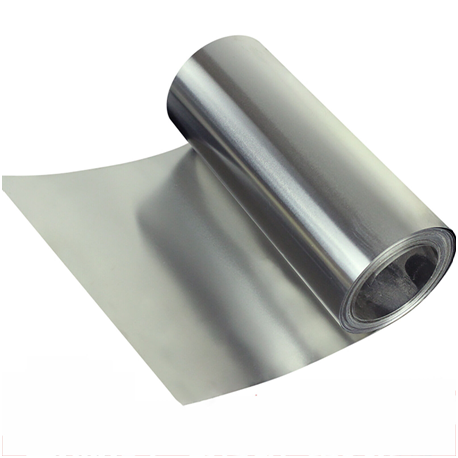
When selecting a titanium foil supplier, several factors should be considered to ensure you receive high-quality products that meet your specific needs.
Ensure that the supplier adheres to recognized quality standards, such as ASTM or ISO certifications. These standards guarantee that the titanium foil meets specific performance and safety criteria. Suppliers that comply with these standards often undergo regular audits and inspections, ensuring consistent quality in their products. This adherence to quality not only enhances the reliability of the materials but also provides peace of mind to customers regarding their safety and performance.
Look for suppliers that offer a wide range of titanium foil products, including different grades, thicknesses, and finishes. This variety allows you to find the right material for your specific application. A diverse product range can also indicate a supplier's capability to meet various industry needs, from aerospace to medical applications. Additionally, suppliers that offer specialized products, such as custom alloys or specific surface treatments, can provide tailored solutions for unique project requirements.
Some projects may require customized titanium foil solutions. Choose suppliers that can accommodate custom orders, whether it involves specific dimensions, treatments, or coatings. Customization can be crucial for industries with unique specifications, such as aerospace or medical, where standard products may not meet stringent requirements. Suppliers that offer customization often have the technical expertise and flexibility to adapt their manufacturing processes to meet specific customer needs.
Consider the supplier's experience in the industry and their reputation among customers. Established suppliers with a proven track record are more likely to provide reliable products and services. A supplier's history can provide insights into their reliability, customer service, and ability to meet deadlines. Additionally, customer testimonials and case studies can offer valuable information about the supplier's performance and the quality of their products.
Good customer support is essential for addressing any questions or concerns you may have during the purchasing process. Look for suppliers that offer responsive and knowledgeable support teams. Effective communication can significantly enhance the purchasing experience, ensuring that any issues are resolved quickly and efficiently. Suppliers that prioritize customer support often build long-term relationships with their clients, fostering trust and collaboration.
Several companies are recognized as leading suppliers of titanium foil, each offering unique products and services.
TNTI is a global supplier of titanium foil, known for its high-quality products and competitive pricing. They offer both annealed and tempered titanium foil, catering to various industries, including electronics and chemical processing. TNTI's commitment to innovation and quality control ensures that their products meet the highest standards, making them a preferred choice for many manufacturers. Their extensive inventory and ability to fulfill large orders quickly also contribute to their reputation as a reliable supplier.
Hele Titanium specializes in manufacturing titanium products, including foil. They provide a range of grades and customization options, ensuring that customers can find the right material for their needs. Hele Titanium's focus on research and development allows them to stay at the forefront of titanium technology, offering advanced solutions that meet the evolving demands of various industries. Their dedication to sustainability and environmentally friendly practices also appeals to customers looking for responsible sourcing options.

Seather Technology is known for its ultra-thin titanium foils, available in various grades for different applications. Their commitment to quality and customer satisfaction makes them a reliable choice for titanium foil. Seather Technology employs advanced manufacturing techniques to produce foils with precise thickness and surface finishes, ensuring that their products meet the specific requirements of high-tech applications. Their expertise in thin materials also positions them as leaders in niche markets, such as electronics and aerospace.
Arnold Magnetic Technologies offers a range of titanium foil products, emphasizing lightweight and durable materials suitable for harsh environments. Their expertise in titanium alloys ensures that customers receive high-performance products. Arnold's focus on innovation and quality has earned them a strong reputation in the industry, and their products are widely used in demanding applications, including aerospace and defense. Their commitment to customer service and technical support further enhances their appeal as a supplier.
American Elements specializes in high-purity titanium foil, catering to industries that require stringent quality standards. They offer a variety of thicknesses and sizes, making them a versatile supplier for various applications. American Elements' focus on research and development allows them to provide cutting-edge materials that meet the needs of advanced industries, such as electronics and renewable energy. Their dedication to quality and customer satisfaction has established them as a trusted partner for many manufacturers.
Titanium foil is used in numerous applications across different industries, showcasing its versatility and effectiveness.
In the aerospace sector, titanium foil is used to manufacture lightweight components that can withstand extreme temperatures and pressures. Its strength and corrosion resistance make it ideal for aircraft parts and structures. The use of titanium foil in aerospace applications contributes to improved fuel efficiency and performance, as lighter materials reduce overall weight. Additionally, titanium's ability to withstand harsh environmental conditions ensures the longevity and reliability of aerospace components.
Titanium foil is widely used in the medical field for implants and surgical instruments. Its biocompatibility ensures that it can be safely used within the human body, making it a preferred material for orthopedic and dental implants. The use of titanium in medical applications not only enhances patient safety but also improves the performance of medical devices. Its corrosion resistance and strength contribute to the durability of implants, reducing the need for replacements and improving patient outcomes.
The electronics industry utilizes titanium foil in various applications, including capacitors and connectors. Its conductive properties and resistance to corrosion make it suitable for electronic components that require reliability and durability. Titanium foil's lightweight nature also contributes to the miniaturization of electronic devices, allowing for more compact designs without sacrificing performance. As technology continues to advance, the demand for high-quality titanium foil in electronics is expected to grow.
In chemical processing, titanium foil is used in heat exchangers and reactors due to its resistance to corrosive substances. This property extends the lifespan of equipment and reduces maintenance costs. The use of titanium foil in chemical applications ensures that equipment can operate efficiently in harsh environments, minimizing the risk of failure and downtime. Additionally, titanium's ability to withstand high temperatures and pressures makes it suitable for a wide range of chemical processes.
The automotive industry is increasingly using titanium foil for lightweight components that enhance fuel efficiency. Its strength and durability make it suitable for high-performance vehicles. The shift towards lightweight materials in automotive design is driven by the need for improved fuel economy and reduced emissions. Titanium foil's unique properties allow manufacturers to create components that meet these demands while maintaining performance and safety standards.
Choosing the right titanium foil supplier is crucial for ensuring that you receive high-quality materials that meet your specific needs. By considering factors such as quality standards, product range, customization options, experience, and customer support, you can make an informed decision. With leading suppliers like TNTI, Hele Titanium, Seather Technology, Arnold Magnetic Technologies, and American Elements, you can find the right titanium foil for your applications.
Titanium foil is used in various applications, including aerospace components, medical implants, electronic devices, chemical processing equipment, and automotive parts. Its versatility makes it suitable for a wide range of industries.
Titanium foil is manufactured through processes such as rolling and annealing, which reduce the thickness of titanium sheets to create thin, flexible foils. These processes require precise control to ensure the desired properties are achieved.
The benefits of using titanium foil include its lightweight nature, corrosion resistance, biocompatibility, and high strength, making it suitable for demanding applications across various industries.
Yes, many suppliers offer customization options for titanium foil, including specific dimensions, grades, and finishes to meet unique project requirements. This flexibility allows for tailored solutions in specialized applications.
When choosing a titanium foil supplier, consider factors such as quality standards, product range, customization options, experience, and customer support to ensure you find a reliable partner.


