

Views: 380 Author: Lasting Titanium Publish Time: 2025-05-05 Origin: Site


Content Menu
● Understanding Titanium Fasteners
>> What Are Titanium Fasteners?
>> Types of Titanium Fasteners
● Best Practices for Installing Titanium Fasteners
>> 1. Preparation of the Fasteners and Surfaces
>> 2. Use of Compatible Materials
>> 3. Proper Torque Specifications
>> 4. Use of Anti-Seize Compounds
>> 1. What are the advantages of using titanium fasteners?
>> 2. Can titanium fasteners be used in marine environments?
>> 3. What is galling, and how can it be prevented?
>> 4. Are there any specific tools required for installing titanium fasteners?
>> 5. How often should titanium fasteners be inspected?
Titanium fasteners are renowned for their exceptional strength-to-weight ratio, corrosion resistance, and durability, making them a popular choice in various industries, including aerospace, automotive, and marine applications. However, to fully leverage the benefits of titanium fasteners, it is crucial to follow best practices during installation. This article will explore the essential steps and considerations for installing titanium fasteners effectively.
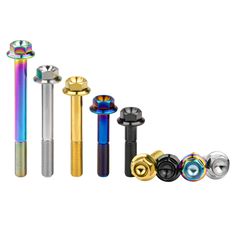
Titanium fasteners are hardware components made from titanium or titanium alloys. They include bolts, screws, nuts, and washers, and are used to join materials together. Titanium fasteners are particularly valued for their lightweight nature and high tensile strength, which is significantly greater than that of stainless steel. This makes them ideal for applications where weight reduction is critical without compromising strength. The unique properties of titanium also allow it to withstand extreme temperatures and harsh environments, making it a preferred choice in industries that demand reliability and performance.
1. Grade 2 Titanium: This is commercially pure titanium, offering good corrosion resistance and moderate strength. It is often used in applications where high strength is not the primary concern. Grade 2 titanium is commonly found in chemical processing and marine environments due to its excellent resistance to corrosion.
2. Grade 5 Titanium (Ti-6Al-4V): This is the most commonly used titanium alloy, known for its high strength and excellent corrosion resistance. It is suitable for high-performance applications, including aerospace components and medical implants. The addition of aluminum and vanadium in this alloy enhances its mechanical properties, making it a versatile choice for demanding applications.
3. Grade 6 Titanium: This alloy contains aluminum and vanadium, providing enhanced strength and fatigue resistance, making it ideal for aerospace applications. Grade 6 titanium is often used in critical components such as aircraft frames and engine parts, where performance and safety are paramount.
Before installation, ensure that both the titanium fasteners and the surfaces they will be attached to are clean and free from contaminants. Any dirt, oil, or debris can compromise the integrity of the joint. Use a suitable solvent to clean the surfaces, and allow them to dry completely. Proper surface preparation is essential, as contaminants can lead to improper seating of the fasteners, resulting in weak joints that may fail under load. Additionally, consider using a lint-free cloth to avoid leaving fibers on the surfaces.
When installing titanium fasteners, it is essential to use compatible materials for nuts and washers. Mismatched materials can lead to galvanic corrosion, which occurs when dissimilar metals are in contact in the presence of an electrolyte. For titanium fasteners, use stainless steel or aluminum nuts and washers to minimize this risk. It is also advisable to avoid using copper or brass, as these materials can accelerate corrosion when in contact with titanium. Ensuring compatibility not only enhances the longevity of the fasteners but also maintains the integrity of the entire assembly.
Titanium fasteners require specific torque settings to ensure a secure fit without over-tightening, which can lead to stripping or breaking. Always refer to the manufacturer's specifications for the correct torque values. A torque wrench should be used to achieve the desired tightness accurately. Over-tightening can cause the fastener to yield or deform, while under-tightening may result in loosening during operation. It is also beneficial to use a torque sequence that follows the manufacturer's guidelines, especially in applications with multiple fasteners, to ensure even distribution of stress.
To prevent galling—a common issue with titanium fasteners—apply a suitable anti-seize compound to the threads before installation. This helps reduce friction and makes future disassembly easier. However, ensure that the anti-seize compound is compatible with titanium. Using a non-metallic anti-seize compound can be particularly effective, as it minimizes the risk of galvanic corrosion. Proper application of anti-seize can significantly extend the life of the fasteners and facilitate maintenance by allowing for easier removal when necessary.
- Hand-Tightening: Begin by hand-tightening the fasteners to ensure proper alignment and to avoid cross-threading. This initial step is crucial, as it allows for adjustments before applying final torque, ensuring that the fasteners are correctly positioned.
- Sequential Tightening: For applications involving multiple fasteners, tighten them in a crisscross pattern to distribute the load evenly and prevent warping. This technique is particularly important in applications where the components being fastened are sensitive to distortion, such as in engine mounts or structural assemblies.
- Final Tightening: Use a torque wrench to apply the final torque setting, ensuring that the fasteners are securely fastened without exceeding the recommended torque. Regularly calibrating your torque wrench is essential to maintain accuracy and prevent over-tightening.
After installation, inspect the fasteners for proper alignment and tightness. It is advisable to conduct a load test to ensure that the fasteners can withstand the intended loads without failure. Regular inspections should be part of the maintenance routine to identify any signs of wear or loosening. Implementing a schedule for periodic checks can help catch potential issues early, preventing costly repairs or failures in critical applications.
1. Neglecting Surface Preparation: Failing to clean surfaces can lead to poor joint integrity. Always prioritize cleanliness to ensure optimal performance.
2. Using Incompatible Materials: Always ensure that nuts and washers are compatible with titanium to avoid galvanic corrosion. This simple step can save significant time and resources in the long run.
3. Over-Tightening: This can strip threads or break the fasteners, leading to failure. Understanding the limits of titanium fasteners is crucial for safe installation.
4. Ignoring Torque Specifications: Always adhere to the manufacturer's torque recommendations. This practice is vital for maintaining the integrity of the assembly.
5. Skipping Inspections: Regular checks can prevent unexpected failures in critical applications. Establishing a routine inspection schedule can enhance safety and reliability.
Installing titanium fasteners requires careful attention to detail and adherence to best practices to ensure optimal performance and longevity. By following the guidelines outlined in this article, you can maximize the benefits of titanium fasteners in your applications, ensuring safety and reliability. The investment in proper installation techniques pays off in the form of enhanced performance, reduced maintenance costs, and increased safety in critical applications.
Titanium fasteners offer a high strength-to-weight ratio, excellent corrosion resistance, and durability, making them ideal for demanding applications. Their lightweight nature contributes to overall weight reduction in structures and vehicles, which is particularly beneficial in aerospace and automotive industries.
Yes, titanium fasteners are highly resistant to corrosion from saltwater, making them suitable for marine applications. Their ability to withstand harsh environmental conditions without degrading ensures long-term reliability in boats, ships, and offshore structures.
Galling is a form of wear caused by adhesion between sliding surfaces. It can be prevented by using anti-seize compounds and ensuring proper torque during installation. Understanding the conditions that lead to galling can help in selecting the right materials and installation techniques.
A torque wrench is essential for applying the correct torque, and a suitable anti-seize compound should be used to prevent galling. Additionally, having a set of quality hand tools designed for precision work can enhance the installation process.
Regular inspections should be conducted as part of a maintenance routine, especially in critical applications, to ensure they remain secure and free from wear. Establishing a proactive maintenance schedule can help identify potential issues before they lead to failures.


