

Views: 356 Author: Lasting titanium Publish Time: 2025-11-06 Origin: Site


Content Menu
● The Unique Properties of Titanium
>> High Strength-to-Weight Ratio
● Applications of Forged Titanium in High-Stress Environments
● Advantages of Forged Titanium Over Other Materials
>> Superior Mechanical Properties
● Challenges in Titanium Forging
Titanium is a remarkable metal that has gained significant attention in various industries due to its unique properties. Among these properties, its strength-to-weight ratio, corrosion resistance, and ability to withstand extreme conditions make it an ideal choice for high-stress environments. This article delves into the reasons why forged titanium is particularly suited for applications that demand high performance and reliability.
One of the most notable characteristics of titanium is its exceptional strength-to-weight ratio. Titanium is as strong as steel but significantly lighter, making it an attractive option for applications where weight reduction is critical. This property is especially important in the aerospace industry, where every ounce saved can lead to improved fuel efficiency and performance.
The high strength-to-weight ratio allows engineers to design components that can withstand high loads without adding unnecessary weight. This is crucial in applications such as aircraft structures, where reducing weight can enhance fuel efficiency and overall performance.
Titanium exhibits outstanding corrosion resistance, which is a vital property for materials used in high-stress environments. The metal forms a protective oxide layer when exposed to oxygen, preventing further oxidation and corrosion. This makes titanium an ideal choice for applications in harsh environments, such as marine and chemical processing.
In industries like aerospace and medical, where components are often exposed to corrosive substances, titanium's resistance to corrosion ensures longevity and reliability. This property reduces the need for frequent maintenance and replacement, ultimately leading to cost savings over time.
Fatigue resistance is another critical property of titanium that makes it suitable for high-stress applications. Forged titanium components can withstand repeated loading and unloading cycles without failing, which is essential in environments where materials are subjected to dynamic stresses.
The forging process enhances the fatigue resistance of titanium by refining its microstructure and aligning the grain flow. This results in components that can endure the rigors of high-stress applications, such as landing gear in aircraft or structural components in bridges.
In the aerospace sector, forged titanium is widely used for critical components such as landing gear, engine parts, and structural elements. The combination of high strength, low weight, and corrosion resistance makes titanium an ideal choice for aircraft, where performance and safety are paramount.
Forged titanium components in aerospace applications not only improve performance but also contribute to fuel efficiency. The ability to withstand extreme temperatures and pressures further enhances titanium's suitability for high-performance aircraft.
Titanium's biocompatibility and corrosion resistance make it a preferred material for medical implants and devices. Forged titanium components are commonly used in orthopedic implants, dental implants, and surgical instruments, where strength and reliability are essential for long-term performance.
The use of titanium in medical applications is particularly advantageous due to its ability to integrate well with human tissue. This reduces the risk of rejection and complications, making titanium an ideal choice for implants that must endure the stresses of daily use.
In the automotive industry, forged titanium is utilized in high-performance vehicles, particularly in components that require high strength and low weight, such as exhaust systems and suspension parts. The lightweight nature of titanium allows for improved fuel efficiency and performance, making it an attractive option for manufacturers looking to enhance their vehicles' capabilities.
The automotive sector is increasingly focused on sustainability and reducing emissions, and the use of titanium forgings aligns with these goals. By incorporating lightweight materials, manufacturers can produce vehicles that are not only more efficient but also contribute to lower overall environmental impact.
Forged titanium components typically exhibit superior mechanical properties compared to those produced through casting or machining. The forging process enhances the material's strength, toughness, and fatigue resistance, making it ideal for high-stress applications.
In contrast, cast titanium components often have lower tensile strength and fatigue resistance, making them less suitable for demanding environments. The ability to produce complex shapes with tight tolerances through closed-die forging further enhances the advantages of forged titanium.
While the initial costs of titanium forging may be higher than other manufacturing methods, the long-term benefits often outweigh these costs. Forged titanium components typically have a longer service life and require less maintenance, making them a cost-effective choice for many applications.
The overall efficiency of the titanium forging process can lead to significant savings over the lifecycle of the components. Additionally, the ability to produce high-quality parts with minimal waste further contributes to the cost-effectiveness of titanium forging.
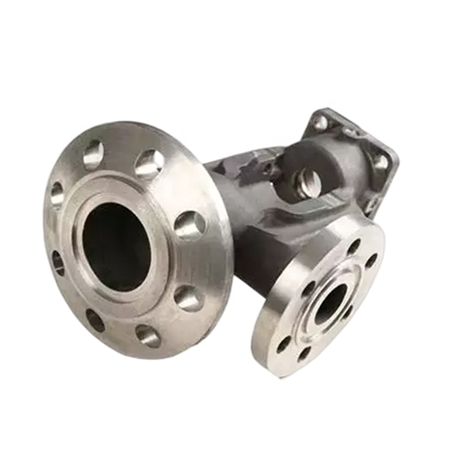
Titanium forging requires specialized knowledge and equipment. The process demands precise temperature control and skilled operators to ensure optimal results. Manufacturers must invest in training and development to ensure that their workforce is equipped to handle the complexities of titanium forging.
The forging of titanium requires advanced machinery capable of withstanding high temperatures and pressures. This equipment can be expensive and may require significant investment for manufacturers. The need for precision in the forging process means that manufacturers must also invest in quality control measures to ensure that each component meets the required specifications.
Forged titanium is an ideal material for high-stress environments due to its unique properties, including high strength-to-weight ratio, corrosion resistance, and fatigue resistance. Its applications in aerospace, medical, and automotive industries highlight its versatility and reliability. Despite the challenges associated with titanium forging, the benefits it provides make it a preferred choice for high-performance applications.
As industries continue to seek innovative solutions that enhance performance while reducing weight and increasing durability, forged titanium will play an increasingly important role in the development of advanced materials.
1. What makes titanium ideal for high-stress environments?
- Titanium's high strength-to-weight ratio, corrosion resistance, and fatigue resistance make it ideal for high-stress applications.
2. How does the forging process enhance titanium's properties?
- The forging process refines titanium's microstructure and aligns the grain flow, resulting in improved strength and fatigue resistance.
3. In which industries is forged titanium commonly used?
- Forged titanium is commonly used in aerospace, medical, and automotive industries due to its exceptional performance characteristics.
4. What are the advantages of forged titanium over cast titanium?
- Forged titanium typically exhibits superior mechanical properties, including higher tensile strength and fatigue resistance, making it more suitable for demanding applications.
5. What challenges are associated with titanium forging?
- Challenges include the need for specialized equipment, technical expertise, and higher initial costs compared to other manufacturing methods.


