

Views: 380 Author: Lasting Titanium Publish Time: 2025-04-16 Origin: Site


Content Menu
● Understanding Titanium and Its Properties
● Best Practices for Machining Titanium Flat Bars
>> 1. Selecting the Right Tools
>> 2. Optimizing Cutting Parameters
>> 3. Implementing Effective Cooling Strategies
>> 5. Reducing Vibration and Chatter
>> 6. Programming and Tool Path Strategies
>> 7. Post-Machining Processes
>> 1. What are the best cutting speeds for titanium flat bars?
>> 2. Why is cooling important when machining titanium?
>> 3. How can I reduce tool wear when machining titanium?
>> 4. What is the recommended feed rate for machining titanium?
>> 5. How can I prevent vibration and chatter during machining?
Machining titanium flat bars presents unique challenges due to the material's properties, including its strength, low thermal conductivity, and tendency to work harden. However, with the right techniques and tools, manufacturers can achieve high-quality results. This article explores the best practices for machining titanium flat bars, ensuring efficiency and precision in the manufacturing process.
Titanium is a lightweight, high-strength metal that is highly resistant to corrosion. These properties make it ideal for various applications, particularly in aerospace, medical, and automotive industries. However, titanium's hardness and toughness also make it difficult to machine. Understanding these characteristics is crucial for developing effective machining strategies.
- High Strength-to-Weight Ratio: Titanium is as strong as steel but significantly lighter, making it ideal for applications where weight is a concern. This property is particularly beneficial in aerospace applications, where reducing weight can lead to significant fuel savings and improved performance.
- Corrosion Resistance: Titanium resists oxidation and corrosion, which is beneficial in harsh environments. This resistance extends the lifespan of components made from titanium, making it a preferred choice in marine and chemical processing industries.
- Low Thermal Conductivity: This property can lead to excessive heat generation during machining, necessitating effective cooling strategies. The low thermal conductivity means that heat does not dissipate quickly, which can cause thermal distortion and affect the dimensional accuracy of the machined parts.
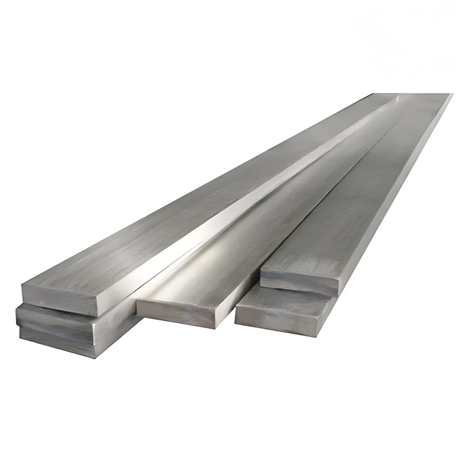
Choosing the appropriate cutting tools is critical when machining titanium flat bars. Tools made from high-performance materials, such as carbide, are recommended due to their ability to withstand high temperatures and wear.
- Tool Geometry: Use tools with a high number of teeth to reduce the load on each cutting edge and improve surface finish. A well-designed tool geometry can also help in chip formation, ensuring that chips are removed efficiently from the cutting zone.
- Coatings: Consider using coated tools (e.g., TiAlN) to enhance tool life and performance. Coatings can reduce friction and improve heat resistance, allowing for higher cutting speeds and better surface finishes.
The cutting speed, feed rate, and depth of cut are essential parameters that must be optimized for titanium machining.
- Cutting Speed: Generally, lower cutting speeds are recommended to minimize heat generation. A typical range is between 30 to 60 meters per minute, depending on the specific titanium alloy. Lower speeds help in reducing tool wear and improving the overall quality of the machined surface.
- Feed Rate: Higher feed rates can help reduce heat buildup. A feed rate of 0.1 to 0.3 mm per tooth is often effective. Adjusting the feed rate can also influence the surface finish and dimensional accuracy of the final product.
- Depth of Cut: Shallow cuts are preferable to avoid excessive heat and tool wear. A depth of cut should be limited to 1-2 mm for roughing operations. This approach not only prolongs tool life but also enhances the quality of the machined surface.
Heat management is crucial when machining titanium. Insufficient cooling can lead to tool failure and poor surface quality.
- Flood Cooling: Use flood coolant systems to provide a continuous flow of coolant to the cutting area, helping to dissipate heat and lubricate the cutting tool. Flood cooling can also help in chip removal, preventing chip recirculation that can lead to tool damage.
- High-Pressure Coolant: Employing high-pressure coolant systems can enhance chip removal and cooling efficiency, particularly in deep cuts. High-pressure systems can penetrate the cutting zone more effectively, ensuring that the tool remains cool and reducing the risk of thermal distortion.
Monitoring tool wear is essential for maintaining machining quality and efficiency.
- Regular Inspections: Check tools frequently for signs of wear or damage. Replace tools at the first sign of wear to prevent poor surface finishes and dimensional inaccuracies. Regular inspections can also help in identifying patterns of wear that may indicate the need for adjustments in machining parameters.
- Tool Life Monitoring: Implement systems to track tool life and performance, allowing for timely replacements and adjustments. Utilizing software for tool life management can help in predicting when a tool will need to be replaced, minimizing downtime and maintaining production efficiency.
Vibration and chatter can significantly affect the quality of machined surfaces and the longevity of cutting tools.
- Stiff Setup: Ensure that the workpiece is securely clamped to minimize movement during machining. A rigid setup reduces the likelihood of vibrations that can lead to chatter, improving the overall machining process.
- Damping Techniques: Use vibration-damping fixtures and tools designed to reduce chatter. Implementing damping technologies can enhance the stability of the machining process, leading to better surface finishes and extended tool life.
Effective programming and tool path strategies can enhance machining efficiency and quality.
- Entry and Exit Strategies: Use arcing tool paths for entry and exit to reduce sudden changes in cutting forces, which can lead to tool instability. Smooth transitions help in maintaining consistent cutting conditions, improving surface quality.
- Radial Engagement: Keep radial engagement low to minimize heat generation and tool wear. A ratio of 8:1 is often recommended for milling thin walls. This approach helps in maintaining a balance between cutting efficiency and tool longevity.
After machining, titanium flat bars may require additional processes to achieve the desired finish and properties.
- Deburring: Remove sharp edges and burrs to improve safety and aesthetics. Deburring can also enhance the performance of the machined parts by preventing stress concentrations that could lead to failure.
- Surface Treatment: Consider surface treatments such as anodizing or passivation to enhance corrosion resistance and surface finish. These treatments can significantly improve the durability of titanium components, especially in corrosive environments.
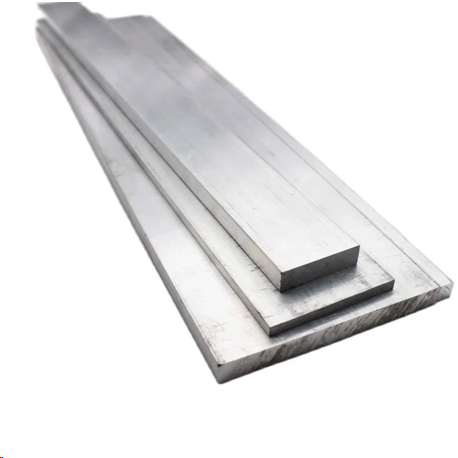
Machining titanium flat bars requires a comprehensive understanding of the material's properties and the implementation of best practices tailored to its unique challenges. By selecting the right tools, optimizing cutting parameters, and employing effective cooling strategies, manufacturers can achieve high-quality results while minimizing tool wear and maximizing efficiency. The careful consideration of each aspect of the machining process is essential for producing components that meet the stringent demands of various industries.
Answer: The optimal cutting speeds for titanium flat bars typically range from 30 to 60 meters per minute, depending on the specific alloy and machining conditions. Lower speeds help in reducing tool wear and improving surface finish.
Answer: Cooling is crucial to dissipate heat generated during machining, which can lead to tool wear and failure. Effective cooling helps maintain tool integrity and improves surface finish, ensuring that the final product meets quality standards.
Answer: To reduce tool wear, use high-performance cutting tools, monitor tool condition regularly, and optimize cutting parameters such as speed and feed rate. Implementing a proactive maintenance schedule can also help in extending tool life.
Answer: A feed rate of 0.1 to 0.3 mm per tooth is generally effective for machining titanium, helping to minimize heat generation and improve surface quality. Adjusting the feed rate can also influence the overall efficiency of the machining process.
Answer: To prevent vibration and chatter, ensure a stiff setup by securely clamping the workpiece and using vibration-damping fixtures and tools. Additionally, optimizing tool paths and cutting parameters can help in reducing the likelihood of chatter.


