

Views: 315 Author: Lasting Titanium Publish Time: 2024-11-11 Origin: Site


Content Menu
● The Basics of Titanium Alloys
● The Manufacturing Process of Titanium Alloys
>> Step 1: Extraction of Titanium Ores
>> Step 2: Production of Titanium Sponge
>> Step 4: Forming and Shaping>> Step 5: Heat Treatment
>> Step 6: Machining and Finishing
● Applications of Titanium Alloys
>> Related Questions and Answers
Titanium alloys are essential materials in various industries due to their unique properties, including high strength, low weight, and excellent corrosion resistance. Understanding how these alloys are made involves exploring the processes and techniques used to transform raw titanium into usable forms. This article delves into the intricate manufacturing processes of titanium alloys, highlighting the steps involved, the technologies used, and the applications of the final products.
Titanium alloys are primarily composed of titanium and other elements, which enhance their mechanical properties. The most common alloying elements include aluminum, vanadium, molybdenum, and iron. These additions can significantly alter the characteristics of titanium, making it suitable for various applications, from aerospace to medical devices. The ability to tailor the properties of titanium alloys through alloying is one of the reasons they are so widely used in high-performance applications.
Titanium is a transition metal known for its high strength-to-weight ratio and resistance to corrosion. It is the ninth most abundant element in the Earth's crust and is primarily extracted from mineral ores such as rutile and ilmenite. The extraction and processing of titanium are complex and require advanced technologies. Titanium's unique properties stem from its crystal structure, which allows it to maintain strength at high temperatures while remaining lightweight. This combination makes titanium an attractive choice for industries that demand both performance and efficiency.
Titanium alloys are categorized into two main types: alpha (α) alloys and beta (β) alloys. Alpha alloys are primarily composed of titanium and aluminum, while beta alloys contain elements like vanadium and molybdenum. Each type has distinct properties and applications, making them suitable for different industrial uses. Alpha alloys tend to have better weldability and are often used in applications requiring high-temperature performance, while beta alloys are known for their superior strength and are commonly used in structural applications.
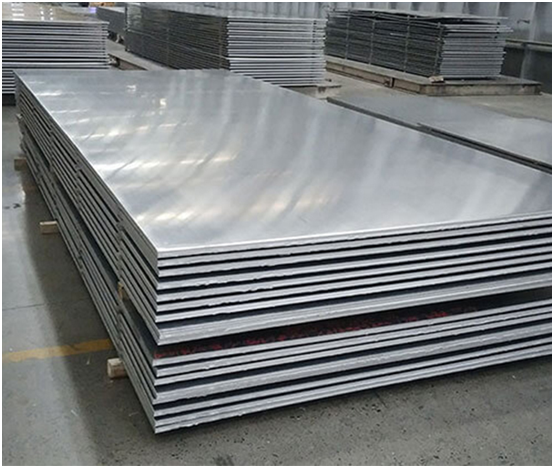
The production of titanium alloys involves several key steps, each critical to ensuring the quality and performance of the final product. The primary method for producing titanium is the Kroll process, which has been the standard since the 1940s. This process is not only efficient but also allows for the production of high-purity titanium, which is essential for many applications.
The first step in the manufacturing process is the extraction of titanium from its ores. The most common ores are rutile (TiO2) and ilmenite (FeTiO3). These ores undergo a series of chemical reactions to produce titanium tetrachloride (TiCl4), which is then reduced to produce titanium sponge. The extraction process involves several stages, including crushing, grinding, and chemical treatment, to separate titanium from other minerals. This initial step is crucial as it sets the foundation for the quality of the titanium produced.
The titanium tetrachloride is subjected to a reduction process, typically using magnesium or sodium, to produce titanium sponge. This sponge is a porous form of titanium that serves as the raw material for alloy production. The Kroll process is known for its efficiency in producing high-purity titanium. The titanium sponge is then processed further to remove impurities and ensure that the final product meets the stringent requirements of various industries. The quality of the titanium sponge directly impacts the properties of the final alloy, making this step critical.
Once the titanium sponge is produced, it can be alloyed with other elements to enhance its properties. This is done by melting the sponge in a vacuum or inert atmosphere to prevent contamination. The alloying elements are added during this melting process, allowing for a homogeneous mixture. The precise control of temperature and atmosphere during this step is vital to achieving the desired composition and properties of the alloy. This process not only improves the mechanical properties of titanium but also allows for the customization of alloys for specific applications.
After alloying, the molten titanium alloy is cast into various shapes, such as ingots, bars, or plates. This can be achieved through several methods, including:
· Casting: The molten alloy is poured into molds to create specific shapes. This method is often used for producing large components.
· Forging: The alloy is mechanically worked to improve its strength and toughness. Forging can enhance the microstructure of the alloy, leading to improved performance.
· Rolling: The alloy is passed through rollers to produce thin sheets or plates. This process is essential for applications requiring specific thicknesses and surface finishes.
Each of these methods has its advantages and is chosen based on the intended application of the titanium alloy. The forming and shaping processes are critical as they determine the final dimensions and mechanical properties of the product.
Heat treatment is a crucial step in the manufacturing process, as it helps to optimize the mechanical properties of the titanium alloy. This process involves heating the alloy to a specific temperature and then cooling it at a controlled rate. Heat treatment can enhance strength, ductility, and resistance to fatigue. Different heat treatment cycles can be applied depending on the alloy composition and the desired properties, making this step highly customizable. The ability to manipulate the microstructure of the alloy through heat treatment is one of the key factors that contribute to the performance of titanium alloys in demanding applications.
Once the titanium alloy has been formed and heat-treated, it undergoes machining to achieve the desired dimensions and surface finish. This can include processes such as milling, turning, and grinding. The final products are often polished or coated to improve their appearance and corrosion resistance. Machining titanium requires specialized tools and techniques due to its hardness and tendency to work-harden. The finishing processes are essential for ensuring that the components meet the stringent tolerances and surface quality required for their intended applications.
Titanium alloys are used in a wide range of applications due to their unique properties. Some of the most common uses include:
In the aerospace sector, titanium alloys are favored for their high strength-to-weight ratio, making them ideal for aircraft components, engine parts, and structural elements. They can withstand extreme temperatures and corrosive environments, ensuring reliability and safety. The use of titanium alloys in aerospace applications has led to significant weight savings, which translates to improved fuel efficiency and performance. As the aerospace industry continues to evolve, the demand for advanced titanium alloys is expected to grow.
Titanium alloys are biocompatible, making them suitable for medical implants and devices. They are used in orthopedic implants, dental implants, and surgical instruments due to their strength and resistance to corrosion. The ability of titanium to integrate with bone tissue makes it an ideal material for implants, leading to better patient outcomes. The medical field continues to explore new applications for titanium alloys, including in minimally invasive surgical tools and advanced prosthetics.
The automotive industry utilizes titanium alloys to reduce weight and improve fuel efficiency. Components such as exhaust systems, connecting rods, and suspension parts benefit from the strength and lightweight nature of titanium. As manufacturers strive to meet stricter emissions regulations, the use of titanium alloys is becoming increasingly important in the development of high-performance vehicles. The automotive sector is also exploring the potential of titanium alloys in electric vehicles, where weight reduction is critical for battery efficiency.
In marine environments, titanium alloys are used for their excellent corrosion resistance. They are employed in components such as propeller shafts, valves, and heat exchangers, where exposure to saltwater can lead to rapid degradation of other materials. The durability of titanium alloys in harsh marine conditions makes them a preferred choice for naval applications and offshore structures. As the demand for sustainable marine technologies grows, titanium alloys are likely to play a significant role in the development of eco-friendly solutions.

The manufacturing of titanium alloys is a complex process that involves several critical steps, from extraction to final machining. Each stage is essential to ensure the quality and performance of the final product. As industries continue to seek materials that offer superior performance and durability, titanium alloys will remain a vital component in various applications. The ongoing research and development in titanium alloy technology promise to unlock new possibilities, further expanding their use in innovative applications.
What are the main properties of titanium alloys? Titanium alloys are known for their high strength, low density, excellent corrosion resistance, and biocompatibility. These properties make them suitable for a wide range of applications, from aerospace to medical devices.
How does the Kroll process work? The Kroll process involves extracting titanium from its ores, converting it to titanium tetrachloride, and then reducing it to titanium sponge using magnesium or sodium. This method is efficient and produces high-purity titanium, which is essential for many applications.
What are the differences between alpha and beta titanium alloys? Alpha alloys are primarily composed of titanium and aluminum, while beta alloys contain elements like vanadium and molybdenum, affecting their mechanical properties and applications. Alpha alloys are often used in high-temperature applications, while beta alloys are preferred for structural components.
Why are titanium alloys used in the aerospace industry? Their high strength-to-weight ratio and resistance to extreme temperatures make titanium alloys ideal for aerospace applications. They contribute to weight savings, which improves fuel efficiency and overall aircraft performance.
Can titanium alloys be recycled? Yes, titanium alloys can be recycled, and the recycling process is essential for sustainability in the titanium industry. Recycling titanium reduces the need for raw material extraction and minimizes environmental impact.


