

Views: 400 Author: Lasting Titanium Publish Time: 2025-01-16 Origin: Site


Content Menu
● Understanding Titanium Foil Sheets
>> Properties of Titanium Foil Sheets
● Applications of Titanium Foil Sheets
● Manufacturing Processes of Titanium Foil Sheets
>> Hot Rolling
>> Cold Rolling
>> Annealing
● Advantages of Using Titanium Foil Sheets
>> Durability
>> Lightweight
>> Versatility
>> 1.What are titanium foil sheets used for?
>> 2.How thick are titanium foil sheets?
>> 3.Are titanium foil sheets biocompatible?
>> 4.What is the manufacturing process for titanium foil sheets?
>> 5.Why choose titanium foil sheets over other materials?
Titanium foil sheets are increasingly becoming a vital material in various industries due to their unique properties and versatility. This article delves into the characteristics, applications, manufacturing processes, and advantages of titanium foil sheets, providing a comprehensive understanding of this remarkable material. As industries continue to evolve, the demand for innovative materials like titanium foil sheets is expected to rise, making it essential to explore their potential fully.
Titanium foil sheets are thin sheets made from titanium, a metal known for its high strength-to-weight ratio, excellent corrosion resistance, and biocompatibility. These sheets are typically produced in various thicknesses, ranging from a few micrometers to several millimeters, making them suitable for a wide range of applications. The unique properties of titanium, combined with its ability to be processed into thin sheets, allow for innovative uses in fields that require both durability and lightweight materials.
Titanium foil sheets possess several key properties that make them desirable in many applications:
- High Strength: Titanium is known for its exceptional strength, which allows it to withstand significant stress without deforming. This property is particularly important in applications where structural integrity is critical, such as in aerospace and automotive components.
- Lightweight: Despite its strength, titanium is relatively lightweight, making it ideal for applications where weight is a critical factor. This characteristic is especially beneficial in industries like aerospace, where reducing weight can lead to improved fuel efficiency and performance.
- Corrosion Resistance: Titanium exhibits excellent resistance to corrosion, particularly in harsh environments, which extends the lifespan of products made from it. This property is crucial in industries such as chemical processing and marine applications, where materials are often exposed to aggressive substances.
- Biocompatibility: This property makes titanium foil sheets suitable for medical applications, as they can be safely used in the human body without causing adverse reactions. The biocompatibility of titanium is a significant factor in its use for implants and surgical instruments, ensuring patient safety and comfort.
The versatility of titanium foil sheets allows them to be used in various industries, including:
In the aerospace sector, titanium foil sheets are used in the construction of aircraft components due to their lightweight and strong characteristics. They are often found in engine components, airframes, and other critical parts where performance and safety are paramount. The use of titanium in aerospace applications not only enhances the structural integrity of aircraft but also contributes to fuel efficiency, making it a preferred material for modern aviation.
Titanium foil sheets are widely used in the medical field for implants and surgical instruments. Their biocompatibility ensures that they can be safely used in the human body, making them ideal for orthopedic implants, dental implants, and other medical devices. The ability to create custom shapes and sizes from titanium foil allows for tailored solutions that meet specific medical needs, improving patient outcomes and recovery times.
In the automotive industry, titanium foil sheets are utilized in high-performance vehicles. They are used in exhaust systems, engine components, and other parts where weight reduction and strength are essential for improving fuel efficiency and performance. The lightweight nature of titanium helps manufacturers create vehicles that are not only faster but also more environmentally friendly by reducing emissions.
Titanium foil sheets are also found in consumer electronics, where they are used in the production of lightweight and durable casings for devices such as smartphones and laptops. Their aesthetic appeal and strength make them a popular choice for premium products. The use of titanium in consumer electronics not only enhances the durability of devices but also adds a touch of luxury, appealing to consumers who value both functionality and style.
In industrial settings, titanium foil sheets are used in various applications, including chemical processing, marine environments, and power generation. Their resistance to corrosion and high temperatures makes them suitable for harsh conditions. Industries that require reliable and long-lasting materials benefit significantly from the use of titanium foil sheets, as they can withstand the rigors of demanding environments without compromising performance.
The production of titanium foil sheets involves several key processes to ensure the material meets the required specifications.
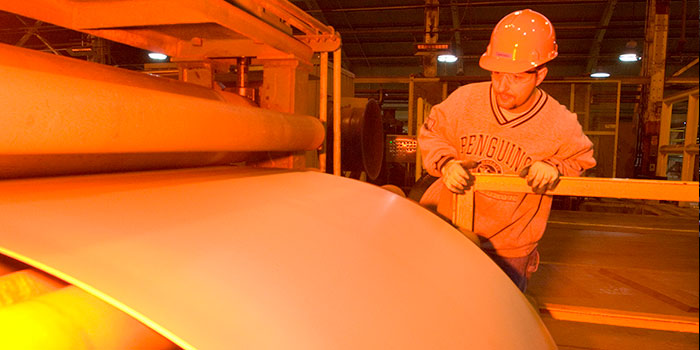
The initial step in manufacturing titanium foil sheets is hot rolling, where titanium ingots are heated and passed through rollers to reduce their thickness. This process helps in achieving the desired dimensions and improves the material's mechanical properties. Hot rolling also enhances the grain structure of titanium, contributing to its overall strength and durability.
After hot rolling, the titanium sheets may undergo cold rolling. This process involves passing the material through rollers at room temperature, further reducing its thickness and enhancing its surface finish. Cold rolling is crucial for producing ultra-thin titanium foils, which are essential for applications that require precise dimensions and smooth surfaces.
Following the rolling processes, titanium foil sheets are often subjected to annealing. This heat treatment process helps relieve internal stresses and improve the ductility of the material, making it easier to work with in subsequent applications. Annealing also enhances the overall quality of the titanium foil, ensuring it meets the stringent requirements of various industries.
To enhance the properties of titanium foil sheets, various surface treatments may be applied. These treatments can improve corrosion resistance, increase adhesion for coatings, or enhance the aesthetic appearance of the material. Surface treatments are essential for ensuring that titanium foil sheets perform optimally in their intended applications, providing additional protection against environmental factors.
The use of titanium foil sheets offers several advantages over other materials, making them a preferred choice in many applications.
Titanium foil sheets are highly durable, capable of withstanding extreme conditions without degrading. This durability translates to longer-lasting products, reducing the need for frequent replacements. In industries where reliability is crucial, the longevity of titanium foil sheets can lead to significant cost savings over time.
The lightweight nature of titanium foil sheets allows for significant weight savings in applications where every gram counts. This is particularly important in aerospace and automotive industries, where weight reduction can lead to improved performance and fuel efficiency. The ability to create lightweight structures without sacrificing strength is a game-changer for manufacturers.
Titanium's natural resistance to corrosion ensures that products made from titanium foil sheets can perform reliably in harsh environments. This property is especially beneficial in chemical processing and marine applications, where materials are often exposed to aggressive substances. The corrosion resistance of titanium contributes to the overall safety and reliability of products, making it a trusted choice for critical applications.
Titanium foil sheets can be easily fabricated into various shapes and sizes, making them suitable for a wide range of applications. Their adaptability allows manufacturers to create custom solutions tailored to specific needs. This versatility is a significant advantage in industries that require innovative designs and materials that can meet unique challenges.
The metallic sheen of titanium foil sheets adds an aesthetic quality to products, making them visually appealing. This characteristic is particularly valued in consumer electronics and luxury items. The combination of functionality and beauty in titanium products attracts consumers who appreciate high-quality materials and craftsmanship.
Titanium foil sheets are a remarkable material that combines strength, lightweight, and corrosion resistance, making them suitable for a wide range of applications across various industries. Their unique properties and versatility continue to drive innovation and development in fields such as aerospace, medical, automotive, and consumer electronics. As technology advances, the demand for titanium foil sheets is expected to grow, further solidifying their place as a critical material in modern manufacturing. The ongoing research and development in titanium processing techniques will likely lead to even more applications and improvements in performance, ensuring that titanium remains at the forefront of material science.
Titanium foil sheets are used in various applications, including aerospace components, medical implants, automotive parts, consumer electronics, and industrial equipment.
Titanium foil sheets can range in thickness from a few micrometers to several millimeters, depending on the specific application and manufacturing process.
Yes, titanium foil sheets are biocompatible, making them suitable for medical applications such as implants and surgical instruments.
The manufacturing process typically involves hot rolling, cold rolling, annealing, and surface treatment to achieve the desired properties and dimensions.
Titanium foil sheets offer advantages such as high strength, lightweight, excellent corrosion resistance, and versatility, making them a preferred choice in many industries.


